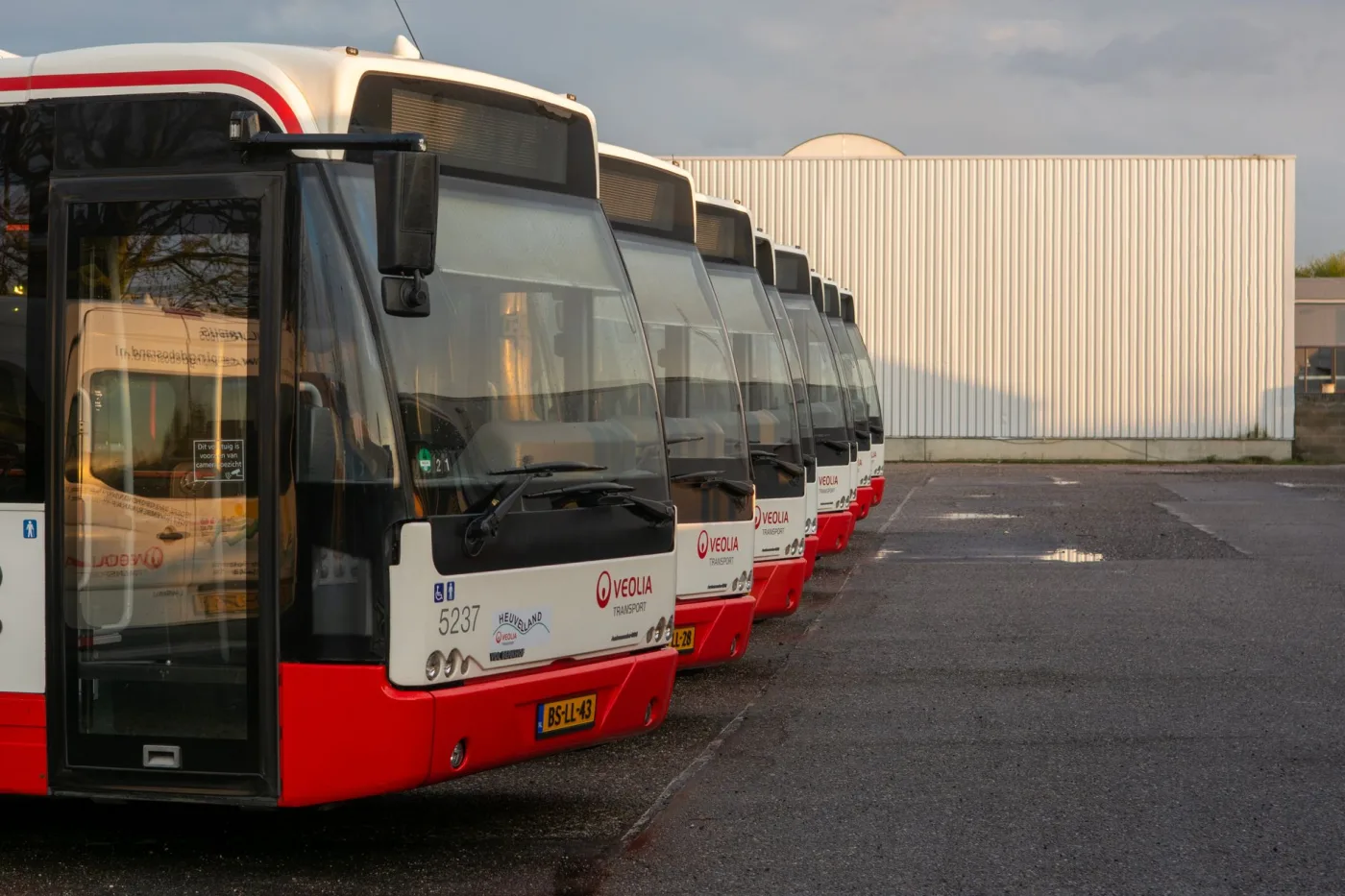
Introduction: Why Preventive Maintenance Matters for Urban Bus Fleets in Cameroon
Urban bus fleets in Cameroon operate under demanding conditions—dense traffic, variable road quality, and intense weather. A well-planned preventive maintenance schedule is not a luxury; it is a core operational necessity. For fleet operators, partners, and stakeholders involved in income-generating vehicles, maintaining buses in optimal condition is directly linked to availability, safety, and long-term operational performance. This guide provides a practical, step-by-step approach to building a preventive maintenance schedule tailored to the realities of Cameroon’s urban mobility landscape.
The Foundation: Understanding Your Fleet’s Needs
Before creating a schedule, you must understand the specific characteristics of your buses. Factors such as make, model, age, engine type, and typical routes significantly influence maintenance frequency. For instance, a bus operating on hilly routes in Douala or Yaoundé will experience more brake wear than one on flat terrain. Start by collecting the following data for each vehicle:
- Manufacturer’s recommended service intervals
- Mileage and hours of operation
- Historical breakdown and repair records
- Driver feedback on performance issues
- Route conditions and load patterns
This baseline data forms the backbone of your maintenance plan, ensuring it is realistic and effective.
Core Components of a Preventive Maintenance Schedule
A robust schedule includes routine inspections, periodic servicing, and component replacement. Here are the essential elements:
1. Daily Pre-Trip and Post-Trip Inspections
Drivers are the first line of defense. Implement a simple checklist that covers tires, lights, brakes, fluids, and any visible leaks. These daily checks, combined with driver monitoring, allow early detection of issues before they escalate. Encourage drivers to report anomalies immediately—this small step can prevent costly breakdowns.
2. Weekly and Monthly Servicing
Weekly checks should include tire pressure, battery condition, and air filters. Monthly servicing should involve a more thorough inspection of the engine, transmission, and suspension. These intervals can be aligned with operating hours or kilometers, depending on your fleet’s usage.
3. Scheduled Component Replacement
Certain parts have a predictable lifespan. For example, brake pads, belts, and hoses should be replaced at manufacturer-recommended intervals, regardless of visible wear. This proactive approach reduces the risk of unexpected failures. Create a replacement schedule based on mileage or time, and track it meticulously.
4. Seasonal and Weather-Related Maintenance
Cameroon has distinct rainy and dry seasons. Before the rainy season, ensure that wipers, lights, and braking systems are in top condition. During the dry season, pay attention to dust and air filter clogging. Adjust your schedule to accommodate these environmental shifts.
Building the Schedule: A Step-by-Step Approach
Follow these practical steps to develop a maintenance schedule that works for your operation:
Step 1: Categorize Maintenance Tasks
Group tasks into three categories: daily, periodic (weekly/monthly), and major (quarterly/annually). This classification helps in resource planning and ensures no task is overlooked.
Step 2: Define Intervals
Set intervals based on mileage, engine hours, or calendar time—whichever comes first. For urban buses, mileage is often the most relevant metric. Use the manufacturer’s guidelines as a starting point, but adjust based on your operating conditions.
Step 3: Create a Calendar and Checklists
Develop a visual calendar for each vehicle, outlining when each task is due. Use digital tools or even a simple spreadsheet to track progress. Checklists for each task ensure consistency and completeness.
Step 4: Assign Responsibilities
Clearly define who is responsible for each maintenance activity—drivers, mechanics, or fleet managers. In the context of MboaFleet’s operational model, transparency and clear roles are key to ensuring tasks are completed on time.
Step 5: Integrate Reporting and Monitoring
Maintenance is not a one-time event; it requires continuous monitoring. Use reporting tools to record completed tasks, flag overdue items, and document any issues. This data is invaluable for refining your schedule and for providing partners with transparent operational updates.
Overcoming Common Challenges in Cameroon
Urban fleet operators in Cameroon face unique challenges, including access to spare parts, varying mechanic skill levels, and cost constraints. Here’s how to address them:
- Spare parts availability: Build relationships with reliable suppliers and consider stocking critical parts to avoid long downtime.
- Mechanic training: Invest in training for your maintenance team to ensure they are familiar with your specific bus models.
- Budgeting: Allocate a maintenance reserve fund based on historical data. This proactive financial planning helps avoid surprises.
The Role of Technology and Data
Modern fleet management platforms, like MboaFleet, can streamline maintenance scheduling. Digital tools allow you to set reminders, track service history, and generate reports automatically. This not only saves time but also enhances transparency. When partners see that vehicles are well-maintained, it builds trust and supports the long-term viability of the mobility project.
Conclusion: A Culture of Care
Building a preventive maintenance schedule is more than a technical exercise—it is a commitment to operational excellence. In Cameroon’s evolving urban transport sector, buses that are consistently maintained are more reliable, safer, and more cost-effective over time. By following the practical steps outlined in this guide, you can minimize downtime, reduce repair costs, and extend the life of your vehicles. This, in turn, supports the real-world activity that drives economic participation in mobility projects.
At MboaFleet, we believe that operational discipline—maintenance, driver monitoring, and transparent reporting—is the cornerstone of sustainable mobility. We invite you to learn more about how our platform supports fleet owners and partners in building efficient, well-maintained operations. Explore our model and see how we turn everyday vehicle management into a source of stable operational performance.
Disclaimer: This content is for informational purposes only and does not constitute an investment offer or financial advice. The performance of any mobility project depends on real operational factors, including vehicle condition, driver discipline, maintenance, demand, and costs.