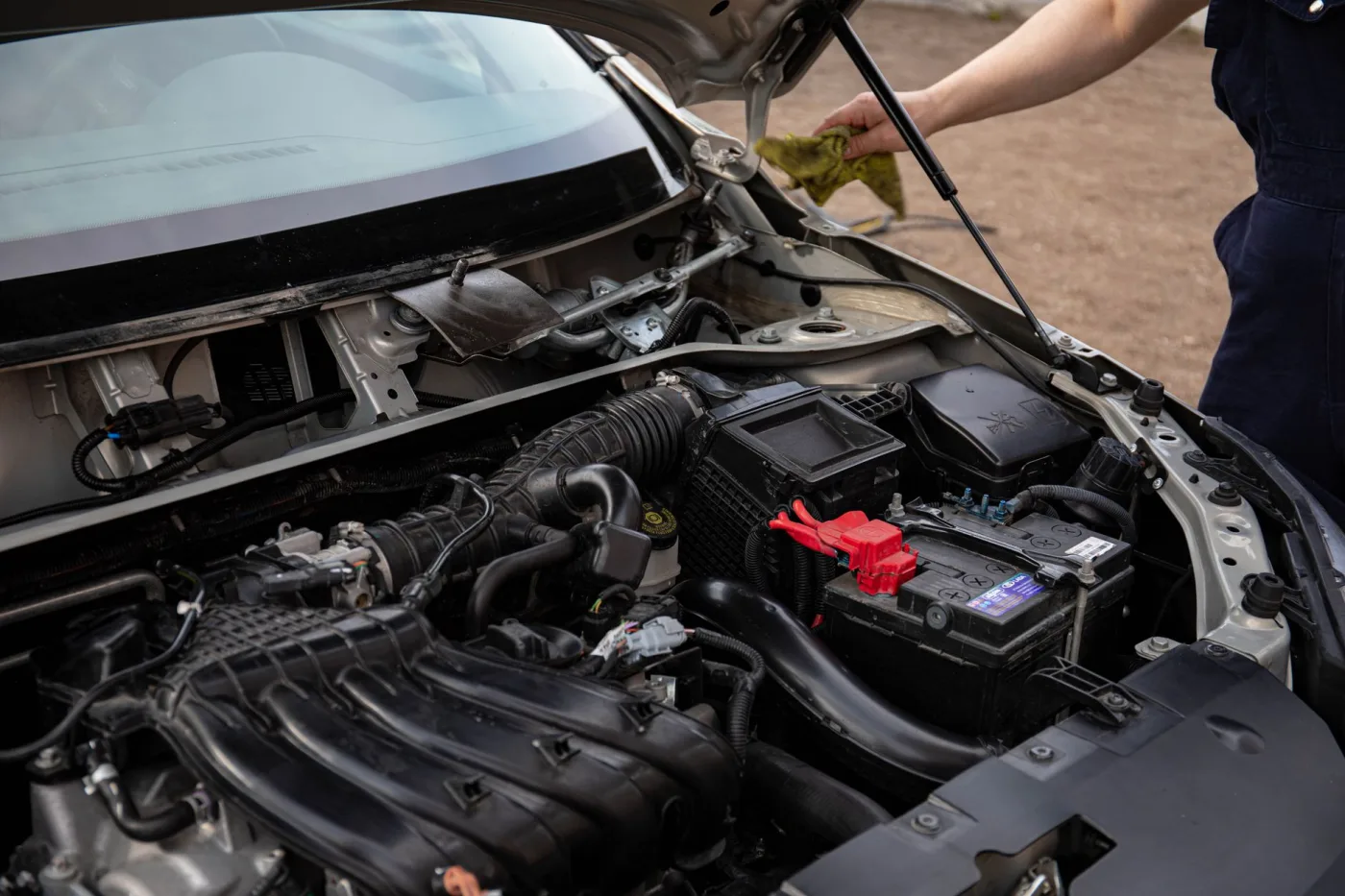
Battery Health in Cameroon’s Heat: A Key Factor for Fleet Operations
In Cameroon, where temperatures regularly exceed 30°C, vehicle batteries face unique challenges. The heat accelerates chemical reactions inside batteries, leading to faster wear, increased water loss, and potential failure. For partners participating in mobility projects through MboaFleet, maintaining battery health is essential to ensure vehicles remain operational and income-generating. This article provides practical, educational advice on battery maintenance in hot climates, aligned with MboaFleet’s commitment to transparent fleet operations and real-world activity.
Why Hot Climates Are Tough on Batteries
Heat is one of the most detrimental factors for lead-acid batteries—the type commonly used in many fleet vehicles. High temperatures cause the electrolyte to evaporate more quickly, leading to reduced capacity and internal damage. In Cameroon’s urban centers like Douala and Yaoundé, where traffic congestion and stop-and-go driving are common, batteries also undergo frequent discharge and recharge cycles. This combination can shorten battery life by up to 50% if not properly managed. MboaFleet emphasizes driver monitoring and maintenance reporting to help partners stay ahead of these issues.
Practical Battery Maintenance Tips for Hot Climates
1. Regular Fluid Checks and Top-Ups
For conventional flooded batteries, check the electrolyte level every two weeks. In hot climates, water evaporates faster. Use distilled water only, and fill to the recommended level—never overfill, as expansion during charging can cause spillage. MboaFleet’s maintenance tracking includes reminders for such checks, ensuring vehicles remain in optimal condition.
2. Keep Battery Terminals Clean and Tight
Corrosion on terminals increases resistance and reduces charging efficiency. Clean terminals with a mixture of baking soda and water, and apply a thin layer of petroleum jelly to prevent future corrosion. Ensure all connections are tight to avoid voltage drops. This simple step is part of MboaFleet’s driver monitoring protocols, which include visual inspections during routine checks.
3. Protect the Battery from Direct Sunlight
Whenever possible, park vehicles in shaded areas or use reflective covers to reduce under-hood temperatures. Excessive heat from direct sun exposure can cause battery casing to warp or crack. MboaFleet’s fleet operations include guidance on parking strategies to minimize heat exposure, especially for vehicles used in urban mobility services.
4. Limit Short Trips and Frequent Starts
Short trips prevent the battery from fully recharging, leading to sulfation—a buildup of lead sulfate crystals that reduces capacity. In Cameroon’s dense traffic, drivers should avoid unnecessary engine idling and combine trips when possible. MboaFleet’s reporting tools analyze trip patterns, helping partners identify inefficient usage that impacts vehicle condition.
5. Use a Battery Maintainer or Trickle Charger
For vehicles that sit idle for extended periods, a battery maintainer can keep the charge at an optimal level without overcharging. This is particularly useful for fleet vehicles used on a rotating schedule. MboaFleet’s operational platform allows partners to track vehicle usage and schedule maintenance based on actual activity, reducing the risk of battery drain.
6. Choose the Right Battery for the Climate
When replacing a battery, consider a model rated for high temperatures. AGM (Absorbent Glass Mat) or enhanced flooded batteries (EFB) offer better resistance to heat and vibration. MboaFleet provides guidance on battery selection as part of its partner education, ensuring vehicles are equipped for Cameroon’s conditions.
How MboaFleet Supports Battery Maintenance Through Operations
MboaFleet’s platform integrates maintenance tracking, driver monitoring, and reporting to help partners keep vehicles in top shape. Here’s how these features relate to battery care:
- Maintenance Scheduling: Automated reminders for battery checks, fluid levels, and terminal cleaning based on mileage or time intervals.
- Driver Monitoring: Alerts for excessive idling, frequent short trips, or battery-related fault codes from the vehicle’s diagnostics system.
- Reporting: Monthly reports on battery performance, including voltage trends, charging cycles, and maintenance compliance, allowing partners to make informed decisions.
- Operational Transparency: All maintenance activities are logged and visible to partners, ensuring accountability and reducing unexpected breakdowns.
By focusing on real-world operational factors—such as vehicle condition, driver discipline, and demand—MboaFleet helps partners maximize the income-generating potential of their vehicles without promising guaranteed outcomes.
The Role of Driver Discipline in Battery Longevity
Drivers are the first line of defense against battery failure. MboaFleet’s driver monitoring includes training on best practices: turning off lights and accessories when the engine is off, avoiding rapid acceleration after starting, and reporting unusual battery behavior immediately. In Cameroon’s urban mobility ecosystem, where drivers often work long hours, these habits can significantly extend battery life. Partners are encouraged to review driver feedback and performance data through MboaFleet’s reporting dashboard.
Common Battery Issues in Cameroon’s Urban Mobility
Fleet vehicles in Cameroonian cities often face specific battery challenges:
- Vibration damage: Poor road conditions cause internal short circuits. Secure batteries with proper brackets.
- Parasitic drain: Aftermarket electronics like sound systems or GPS trackers can drain the battery if not properly installed. MboaFleet’s maintenance team checks for such issues during routine inspections.
- Overcharging: Faulty alternators or voltage regulators can overheat batteries. Regular voltage checks are part of MboaFleet’s operational protocols.
Addressing these issues promptly reduces downtime and maintains vehicle availability—key for generating variable activity-based revenue.
Seasonal Considerations for Battery Care
Cameroon has two main seasons: dry and rainy. During the dry season, dust can clog battery vents, while the rainy season increases humidity and corrosion risk. Adjust maintenance frequency accordingly. MboaFleet’s reporting system allows partners to view seasonal trends and adjust maintenance schedules, ensuring vehicles remain reliable year-round.
Conclusion: Proactive Maintenance for Reliable Operations
Battery maintenance in hot climates like Cameroon requires consistent attention, but the payoff is fewer breakdowns, longer vehicle life, and more consistent income from mobility activities. MboaFleet’s platform empowers partners with the tools—maintenance tracking, driver monitoring, and transparent reporting—to manage these operational details effectively. By focusing on real-world factors like vehicle care and driver discipline, partners can optimize their participation in urban mobility projects without relying on speculative promises.
To learn more about how MboaFleet supports partners through fleet operations, maintenance, and reporting, explore our model and see how real-world activity drives performance.
Disclaimer: This content is for informational purposes only and does not constitute an investment offer or financial advice. MboaFleet is an operational mobility platform; vehicle performance depends on real operational factors including maintenance, driver behavior, and market conditions.