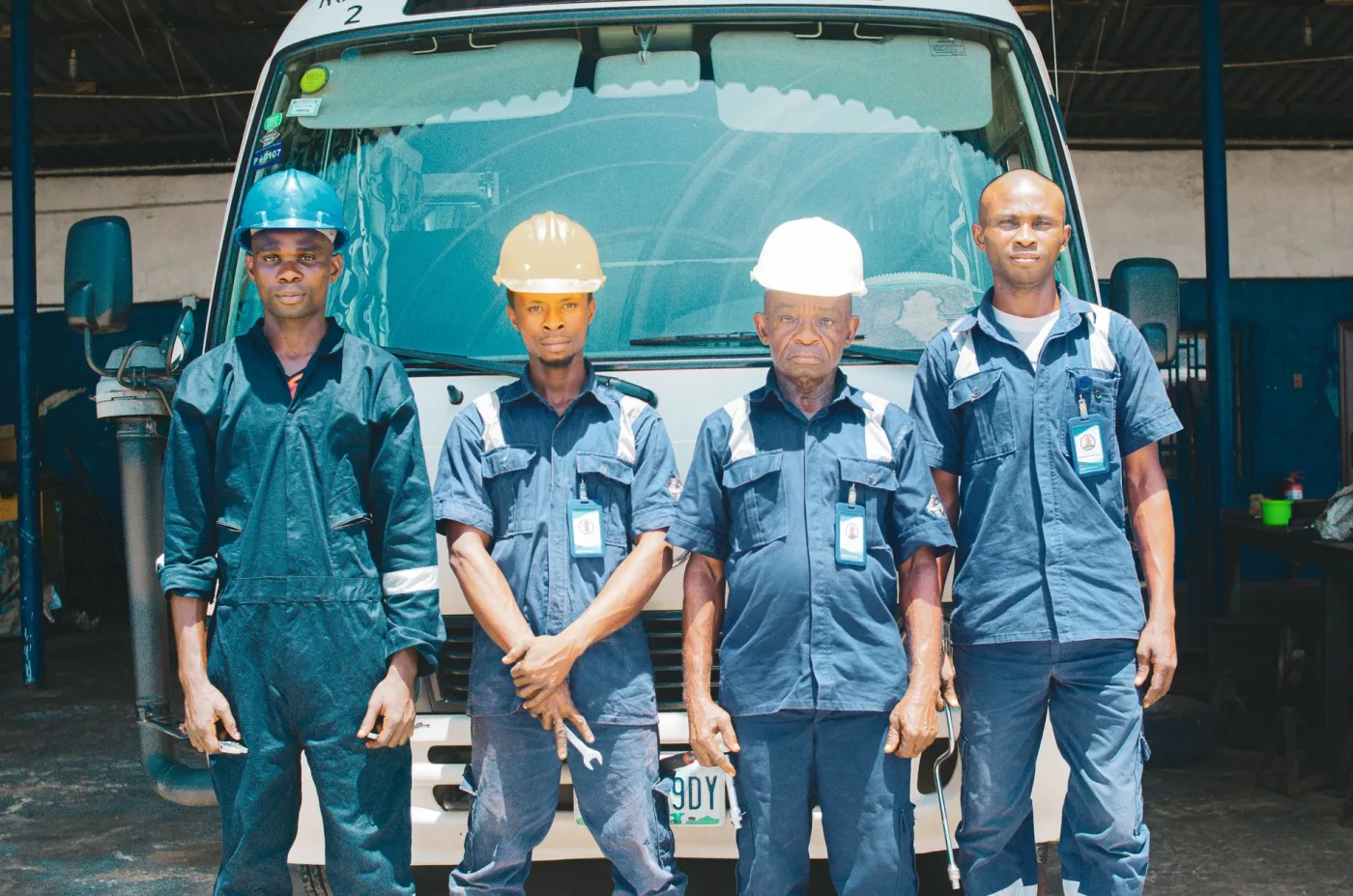
Why Preventive Maintenance Matters for Mixed Fleets in Cameroon
In Cameroon's bustling urban centers like Douala and Yaoundé, mixed vehicle fleets—comprising taxis, minibuses, motorcycles, and light trucks—are the backbone of daily mobility. These vehicles operate in challenging conditions: heavy traffic, unpaved roads, variable fuel quality, and intense heat. For fleet operators, maintaining these assets is not just about avoiding breakdowns; it is about ensuring safety, controlling costs, and sustaining income-generating activity.
Preventive maintenance is the practice of scheduling regular inspections and servicing before failures occur. For a mixed fleet, this requires a tailored approach because different vehicle types have distinct needs. A motorcycle requires more frequent chain and brake checks, while a minibus may need regular suspension and cooling system attention. By building a preventive maintenance schedule, fleet operators can reduce downtime, extend vehicle lifespan, and improve operational performance.
Key Factors in a Mixed Fleet Maintenance Schedule
Creating an effective schedule starts with understanding the variables that influence maintenance needs. In Cameroon, these include:
- Vehicle type and age: Older vehicles and those used for heavy loads require more frequent servicing.
- Operating environment: Dusty roads, potholes, and traffic congestion accelerate wear on brakes, filters, and suspension.
- Usage intensity: Vehicles covering high mileage daily, such as taxis, need shorter service intervals.
- Driver behavior: Aggressive driving, overloading, and neglect of daily checks increase maintenance demands.
- Local climate: High temperatures and rainy seasons affect cooling systems, tires, and electrical components.
These factors should inform the frequency and scope of maintenance tasks. A one-size-fits-all schedule is rarely effective; instead, segment your fleet by type and usage.
Steps to Build a Preventive Maintenance Schedule
1. Inventory Your Fleet and Categorize Vehicles
Begin by listing every vehicle in your fleet. Categorize them by type (e.g., motorcycle, sedan, minibus, truck), age, and primary use. This helps you assign appropriate maintenance intervals. For example, a motorcycle used for deliveries may need oil changes every 1,500 km, while a minibus might need them every 5,000 km.
2. Consult Manufacturer Guidelines
Manufacturer recommendations provide a baseline for maintenance. However, in Cameroon's operating conditions, you may need to shorten intervals. For instance, if the manual suggests air filter replacement every 10,000 km, consider doing it every 7,000 km in dusty environments.
3. Define Maintenance Tasks and Frequencies
Create a checklist of tasks for each vehicle category. Common tasks include:
- Oil and filter changes
- Brake inspection and replacement
- Tire rotation and pressure checks
- Battery and electrical system checks
- Cooling system flush and refill
- Suspension and steering inspection
- Lighting and signal checks
Assign a frequency to each task based on mileage, time, or both. For example, brake checks might be monthly for high-use vehicles, while coolant replacement might be annual.
4. Incorporate Daily and Weekly Checks
Preventive maintenance is not only about scheduled servicing. Daily checks by drivers—such as tire pressure, fluid levels, and lights—can catch issues early. Weekly checks by a supervisor can include more thorough inspections. These routines are especially important in mixed fleets where drivers may operate different vehicles.
5. Use a Maintenance Tracking System
Spreadsheets can work for small fleets, but as you grow, a digital system is more efficient. MboaFleet's operational platform includes maintenance tracking and reporting features that help partners monitor service history, upcoming tasks, and costs. This transparency supports better decision-making and operational performance.
6. Train Drivers and Enforce Accountability
Driver monitoring is a cornerstone of preventive maintenance. Drivers should be trained to perform daily checks, report unusual noises or vibrations, and follow safe driving practices. In Cameroon, where road conditions can be unpredictable, disciplined driving reduces wear and tear. MboaFleet emphasizes driver monitoring as part of its operations, helping partners ensure that vehicles are handled responsibly.
7. Schedule Maintenance During Low-Demand Periods
To minimize revenue loss, schedule servicing during off-peak hours or days. For urban mobility fleets, weekends or early mornings may be ideal. Coordinate with drivers and maintenance providers to ensure minimal disruption.
Adapting to Local Conditions in Cameroon
Cameroon's diverse climate and road infrastructure require flexibility. In the rainy season, for example, brake and tire checks should be more frequent. In dry, dusty regions, air filters and oil changes may need to be more regular. Additionally, sourcing genuine spare parts can be a challenge; establishing relationships with reliable suppliers is part of a robust maintenance strategy.
Fuel quality also varies. Poor fuel can lead to injector and filter issues, so periodic fuel system cleaning should be included in the schedule. For motorcycles, chain lubrication and adjustment are critical, especially during dusty periods.
The Role of Reporting and Transparency
A preventive maintenance schedule is only effective if it is followed and monitored. Reporting—both internal and to partners—builds trust and accountability. MboaFleet provides reporting tools that allow partners to see maintenance activities, costs, and vehicle status. This transparency helps partners understand how operational factors affect variable activity-based revenue. It also supports informed decisions about vehicle replacement or additional contributions to the mobility project.
Regular reporting can highlight trends, such as recurring brake issues in a particular vehicle type, prompting adjustments to the schedule. It also ensures that maintenance is not deferred, which can lead to costly breakdowns and reduced income.
Practical Tips for Fleet Operators
- Start small: If you are new to preventive maintenance, begin with critical tasks like oil changes and brake checks, then expand.
- Use checklists: Provide drivers with simple checklists to encourage daily inspections.
- Keep records: Document all maintenance, repairs, and costs. This data is valuable for planning and reporting.
- Leverage technology: Consider using fleet management software to automate reminders and track performance.
- Engage drivers: Reward drivers who consistently pass inspections and report issues promptly.
- Plan for downtime: Schedule maintenance proactively to avoid unplanned outages during peak demand.
Conclusion
Building a preventive maintenance schedule for mixed vehicle fleets in Cameroon is a strategic investment in operational reliability and safety. By categorizing vehicles, setting tailored intervals, involving drivers, and using reporting tools, fleet operators can reduce downtime, control costs, and support sustainable urban mobility. At MboaFleet, we believe that transparent operations and disciplined maintenance are key to unlocking the potential of income-generating vehicles. To learn more about how our platform supports fleet operations, driver monitoring, and maintenance, we invite you to explore the MboaFleet model and see how it aligns with your mobility project.
Disclaimer: This content is for informational purposes only and does not constitute an investment offer or financial advice. Performance depends on real operational factors including vehicle condition, driver discipline, maintenance, demand, costs, availability, and reporting.