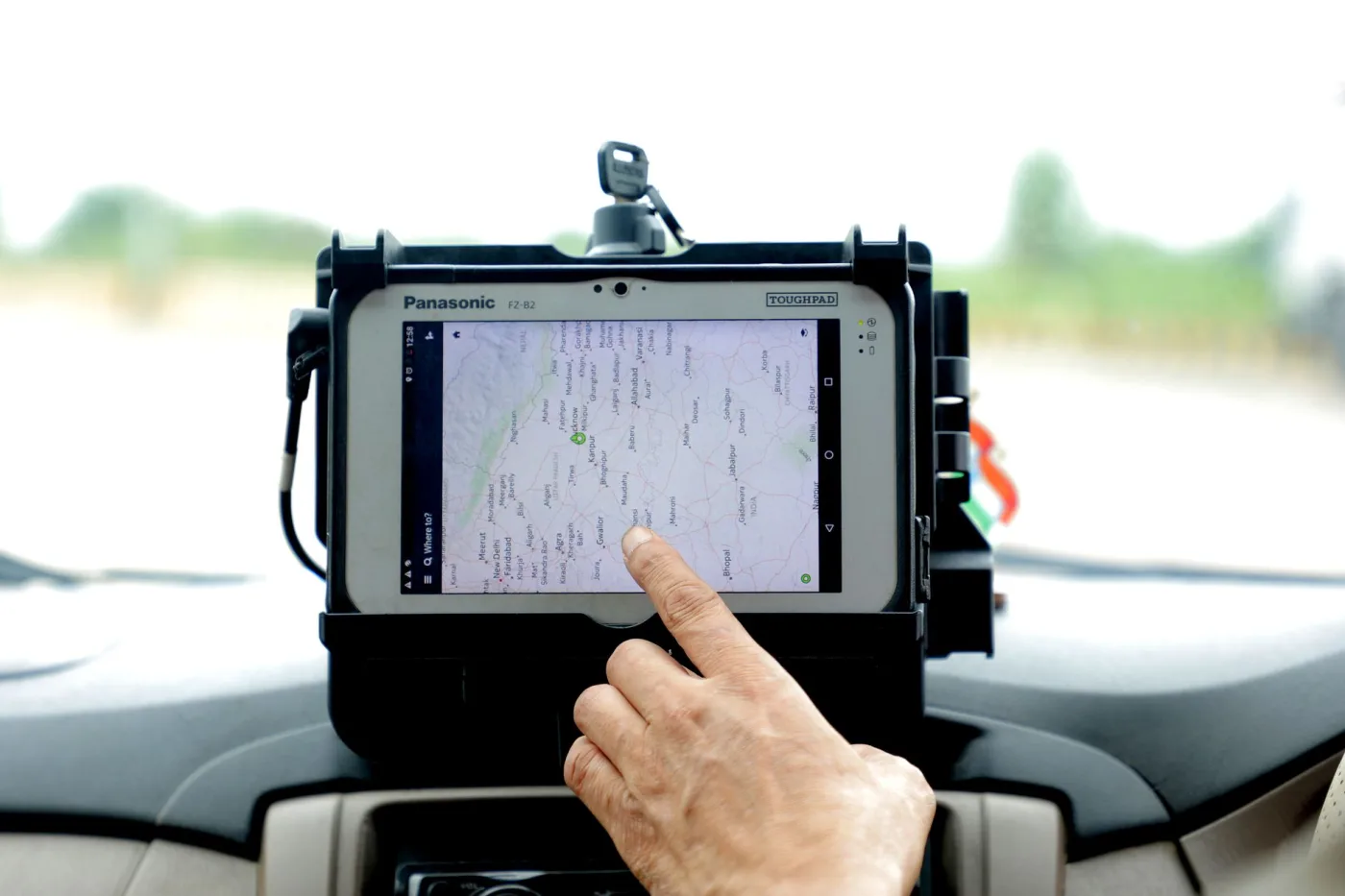
Introduction: The Challenge of Urban Fleet Coordination in Cameroon
Urban mobility in Cameroon is dynamic, but it also presents unique challenges. From congested roads in Douala and Yaoundé to unpredictable weather and traffic patterns, fleet operators must be agile. Coordinating drivers in real time is no longer a luxury—it's a necessity for maintaining operational efficiency, reducing costs, and ensuring passenger safety.
For platforms like MboaFleet, which organizes partner participation around income-generating vehicles, real-time coordination is the backbone of daily operations. It ensures that vehicles are where they need to be, drivers are accountable, and maintenance is proactive. This guide provides practical advice for urban fleets looking to improve their coordination strategies.
Why Real-Time Coordination Matters
Real-time coordination goes beyond simply tracking vehicle locations. It involves a holistic approach to managing drivers, vehicles, and customer demand. When done well, it can:
- Reduce idle time and fuel consumption
- Improve response times to customer requests
- Enhance driver accountability and performance
- Minimize wear and tear through better route planning
- Provide data for informed decision-making
In the context of Cameroon, where road conditions and traffic can change rapidly, real-time coordination allows fleet managers to adapt quickly. It also supports the economic participation model by ensuring that vehicles are productive and well-maintained, which contributes to the overall operational performance of the fleet.
Key Components of Real-Time Driver Coordination
1. Communication Tools
Effective communication is the foundation of coordination. Use mobile apps with instant messaging, voice calls, and status updates. Drivers can report delays, road closures, or vehicle issues immediately. Fleet managers can send route changes or alerts without delay.
Practical tip: Choose tools that work well on low-bandwidth networks, common in some areas of Cameroon. Offline capabilities and SMS fallback can be lifesavers.
2. GPS Tracking and Telematics
GPS tracking provides real-time visibility into vehicle locations. Telematics systems go further by collecting data on speed, braking, idling, and fuel usage. This information helps you identify risky driving behaviors and areas for improvement.
Practical tip: Use geofencing to set up virtual boundaries. You'll receive alerts when a vehicle enters or exits a designated zone, helping you monitor compliance with routes and service areas.
3. Driver Monitoring and Feedback
Monitoring drivers isn't about surveillance—it's about support and improvement. Use dashboards to review driver performance metrics like punctuality, customer feedback, and adherence to routes. Provide regular feedback and training sessions.
Practical tip: Recognize good performance publicly within the team. Positive reinforcement encourages a culture of responsibility and excellence.
4. Maintenance Scheduling
Real-time coordination also includes maintenance. Vehicles that break down unexpectedly cause delays and revenue loss. Use mileage and engine data to schedule preventive maintenance. When a driver reports a minor issue, address it immediately before it escalates.
Practical tip: Integrate maintenance alerts into your coordination app. When a vehicle is due for service, the system can automatically notify the driver and the maintenance team.
5. Data-Driven Reporting
Accurate reporting is essential for transparency and continuous improvement. Collect data on trips, revenue, costs, and driver performance. Generate daily, weekly, and monthly reports to identify trends and make informed decisions.
Practical tip: Use dashboards that are easy to understand. Visualizing data helps stakeholders see the real operational picture without getting lost in spreadsheets.
Practical Steps to Implement Real-Time Coordination
Implementing real-time coordination doesn't happen overnight. Here's a step-by-step approach:
- Assess your current operations: Identify bottlenecks, communication gaps, and recurring issues.
- Choose the right technology: Select a platform that integrates GPS, messaging, and reporting. Ensure it's scalable and user-friendly.
- Train your drivers: Provide thorough training on using the tools and understanding why coordination matters.
- Start with a pilot: Test the system with a small group of drivers before full rollout.
- Monitor and adjust: Collect feedback from drivers and managers, and refine your processes.
- Scale gradually: As you see success, expand to the entire fleet.
Overcoming Common Challenges
Challenge: Poor Internet Connectivity
In some areas of Cameroon, internet coverage can be unreliable. Solution: Use apps with offline mode and sync data when connectivity returns. Also, consider SMS-based alerts for critical messages.
Challenge: Driver Resistance
Some drivers may feel that monitoring is intrusive. Solution: Emphasize the benefits—such as safer driving, fewer breakdowns, and better earnings through efficient routing. Involve drivers in the decision-making process.
Challenge: Data Overload
Too much data can be overwhelming. Solution: Focus on key performance indicators (KPIs) that directly impact operations, like on-time performance, fuel efficiency, and maintenance compliance.
The Role of MboaFleet in Supporting Urban Fleets
MboaFleet is designed to address these challenges by providing an operational mobility platform that brings together vehicle partners, drivers, and maintenance teams. Our approach is rooted in transparency and real-world activity. We don't promise guaranteed outcomes; instead, we focus on the factors that drive operational performance:
- Vehicle condition and maintenance
- Driver discipline and training
- Demand and route efficiency
- Cost control and fuel management
- Accurate reporting and data analysis
By coordinating drivers in real time, we help fleet managers make better decisions, reduce downtime, and improve service quality. This, in turn, supports the economic participation of all partners—but it's important to note that outcomes vary based on real operational factors.
Best Practices for Sustainable Fleet Operations
- Prioritize preventive maintenance: Regular checks reduce breakdowns and extend vehicle life.
- Encourage eco-driving: Smooth acceleration and braking save fuel and reduce emissions.
- Use demand forecasting: Analyze historical data to anticipate peak times and allocate drivers accordingly.
- Maintain open communication: Regularly meet with drivers to gather insights from the ground.
- Embrace transparency: Share performance data with all stakeholders to build trust.
Conclusion: The Future of Urban Mobility in Cameroon
Real-time coordination is transforming how urban fleets operate in Cameroon. By leveraging technology, clear communication, and data-driven strategies, you can enhance efficiency, safety, and service quality. The key is to remember that success depends on real-world factors—vehicle health, driver performance, and responsive management.
At MboaFleet, we are committed to empowering mobility projects through operational excellence. We invite you to learn more about our model and how we support partners in building sustainable, income-generating vehicle operations. Explore our website to understand how we combine technology, transparency, and human expertise to improve urban mobility.
Disclaimer: This content is for informational purposes only and does not constitute an investment offer or financial advice.