Driver Coordination and Dispatch Discipline: How Clear Shift Handovers and Radio Protocols Keep Urban Transport Running on Time
In Cameroon's bustling cities, urban mobility depends on the seamless coordination of vehicles and drivers. For fleet operators, maintaining punctuality and reliability is a daily challenge that requires more than just well-maintained vehicles—it demands disciplined driver coordination and dispatch practices. Clear shift handovers and structured radio protocols are two foundational elements that can significantly improve operational performance. This article explores how these practices work in practice and why they matter for fleet operations, driver monitoring, and transparent reporting.
The Importance of Driver Coordination in Urban Transport
Urban transport in Cameroon faces unique challenges: traffic congestion, variable road conditions, and high demand during peak hours. In this environment, driver coordination ensures that vehicles are deployed efficiently, routes are optimized, and passengers experience minimal delays. Without proper coordination, fleets risk idle vehicles, missed pickups, and frustrated customers.
At the heart of coordination is the dispatch function. Dispatchers act as the nerve center of fleet operations, matching vehicles to demand, monitoring driver progress, and resolving issues in real time. But dispatch is only as effective as the communication and discipline of the drivers it manages. That's where shift handovers and radio protocols come into play.
Clear Shift Handovers: The Backbone of Continuity
Shift handovers are the moments when one group of drivers and dispatchers passes responsibility to the next. In poorly managed fleets, these transitions can lead to lost information, delays, and operational hiccups. In well-run operations, they are structured rituals that ensure continuity and accountability.
What Makes a Good Shift Handover?
A good handover is clear, concise, and comprehensive. It should cover:
- Vehicle status: Which vehicles are operational, which are in maintenance, and any pending issues.
- Driver status: Which drivers are on duty, their routes, and any performance notes (e.g., punctuality, incidents).
- Ongoing trips: Details of trips in progress, expected completion times, and any passenger special requests.
- Incidents and exceptions: Accidents, breakdowns, route deviations, or customer complaints that need follow-up.
- Operational notes: Traffic conditions, weather warnings, or special events affecting routes.
By standardizing handover checklists, fleet managers reduce the risk of miscommunication and ensure that the next shift starts with full awareness.
Practical Advice for Effective Handovers
- Use a digital log: Replace paper notes with a shared digital platform where drivers and dispatchers can update statuses in real time. This also supports reporting and driver monitoring.
- Schedule overlap time: Allow 10–15 minutes for outgoing and incoming teams to discuss key points.
- Prioritize critical information: Focus on exceptions and safety issues first.
- Confirm understanding: The incoming team should repeat back key points to ensure clarity.
- Document and review: Keep handover records for accountability and continuous improvement.
Radio Protocols: The Lifeline of Real-Time Coordination
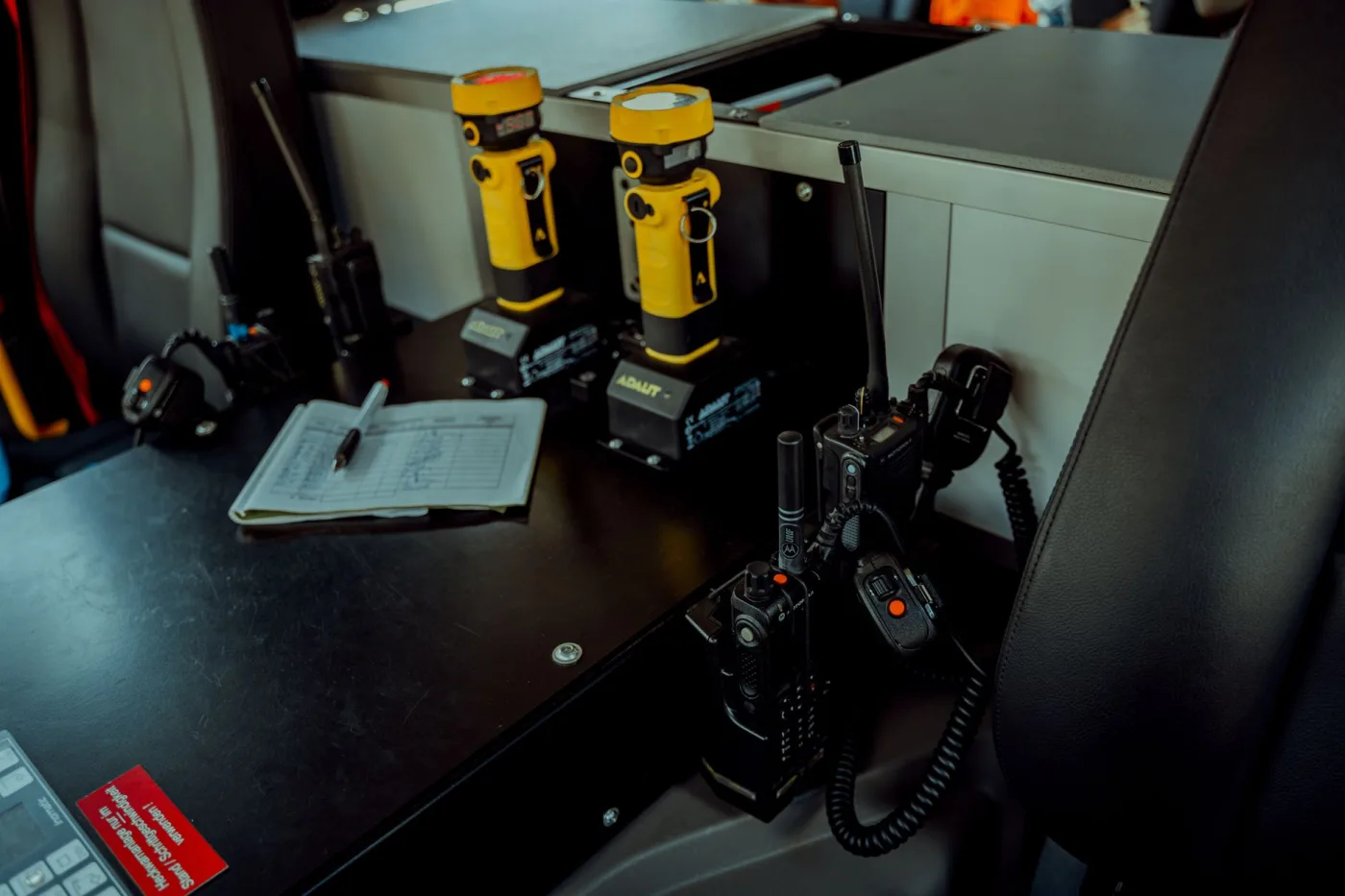
In many fleets, radio communication remains the most reliable way to coordinate drivers in real time—especially where mobile data coverage is inconsistent. However, without protocols, radio channels can become chaotic, with overlapping messages and missed instructions.
Key Elements of Effective Radio Protocols
- Standard call signs: Assign clear identifiers for each vehicle and dispatcher to avoid confusion.
- Structured message format: Use a consistent format: identify yourself, state your message, and confirm receipt.
- Priority channels: Reserve a channel for emergencies and urgent dispatch instructions.
- Active listening: Drivers should acknowledge instructions and repeat back critical details.
- Time discipline: Keep transmissions brief and to the point.
Training drivers on these protocols and enforcing them consistently can dramatically reduce errors and improve response times.
Integrating Radio with Digital Tools
While radio is essential, it can be complemented by digital tools such as GPS tracking and mobile apps. For instance, dispatchers can use fleet management software to monitor vehicle locations and send text-based instructions when radio silence is required. Combining both ensures redundancy and resilience.
The Role of Driver Monitoring and Reporting
Coordination and dispatch discipline are not just about communication—they are also about accountability. Driver monitoring systems—whether manual or digital—track punctuality, route adherence, and incident reports. This data feeds into regular reporting, which helps fleet managers identify trends, reward good performance, and address issues proactively.
In the context of income-generating vehicles, such monitoring ensures that vehicles are used responsibly and that maintenance needs are identified early. For partners in mobility projects, transparent reporting on operational performance builds trust and supports informed decision-making.
Maintenance: The Silent Partner in Dispatch Discipline
Even the best coordination cannot compensate for poorly maintained vehicles. Breakdowns disrupt schedules and strain dispatch resources. Therefore, maintenance must be integrated into the coordination cycle. Drivers should report vehicle issues immediately, and dispatchers should factor maintenance schedules into daily planning. Regular maintenance checks, conducted during low-demand periods, minimize downtime and keep vehicles available when needed.
Building a Culture of Discipline
Ultimately, shift handovers and radio protocols are tools—their effectiveness depends on the culture of the fleet. Operators should foster a culture where discipline is valued, communication is encouraged, and continuous improvement is pursued. Recognition programs for drivers who consistently follow protocols can reinforce positive behavior.
Conclusion: Better Coordination for Better Mobility
In Cameroon's dynamic urban transport sector, driver coordination and dispatch discipline are not optional—they are essential for reliability and efficiency. Clear shift handovers and structured radio protocols ensure that information flows smoothly, vehicles are where they need to be, and passengers reach their destinations on time. By adopting these practices, fleet operators can enhance operational performance, support driver monitoring, and build a foundation for sustainable mobility projects.
At MboaFleet, we are committed to promoting operational excellence in mobility. Our platform supports partners in managing income-generating vehicles through transparent operations, maintenance tracking, and reporting. To learn more about how MboaFleet's approach to fleet operations can benefit your mobility project, we invite you to explore our model and see how disciplined coordination drives real-world results.
Disclaimer: This content is for informational purposes only and does not constitute an investment offer or financial advice. Performance depends on real operational factors such as vehicle condition, driver discipline, maintenance, demand, costs, availability, and reporting.