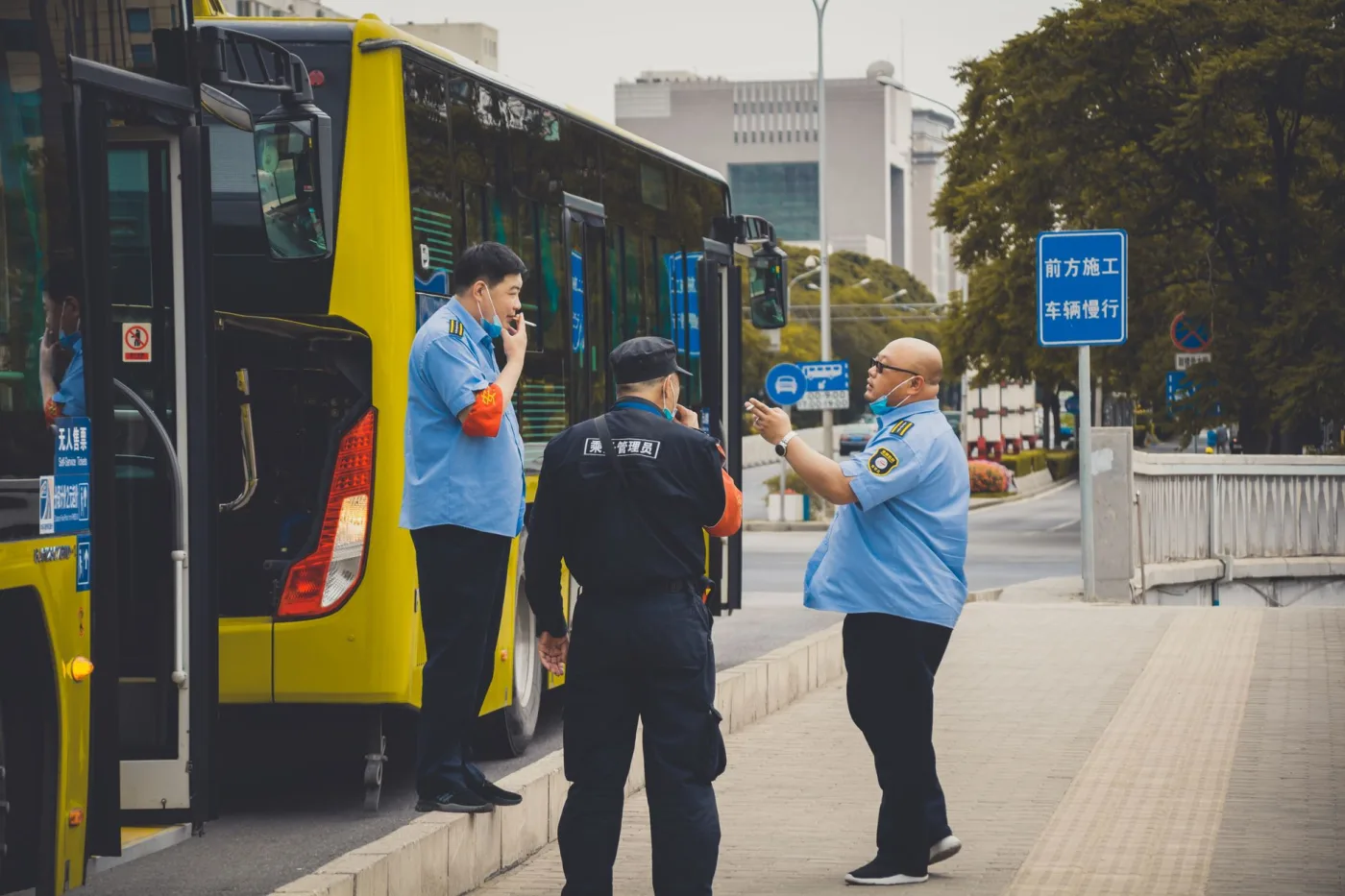
Driver Coordination Essentials: Organizing Shift Handovers in Urban Transport Fleets
In the fast-paced world of urban mobility, the seamless transition of vehicles and responsibilities between drivers is critical. Whether in Douala, Yaoundé, or other growing cities in Cameroon, fleet operators face daily challenges in ensuring that vehicles are ready, drivers are informed, and operations run smoothly. Shift handovers—the process of transferring a vehicle from one driver to another—are a cornerstone of efficient fleet operations. When done well, they reduce downtime, prevent accidents, and extend vehicle life. When neglected, they lead to confusion, delays, and costly repairs.
This article explores the essentials of organizing shift handovers in urban transport fleets. We will cover practical steps, from pre-shift checks to digital reporting, and highlight how platforms like MboaFleet support transparent, accountable operations. The goal is to educate fleet managers, drivers, and partners on best practices that enhance operational performance.
Why Shift Handovers Matter in Urban Fleets
Urban transport fleets operate in demanding environments: heavy traffic, unpredictable weather, and tight schedules. A poorly managed handover can mean a driver starts a shift without knowing about a mechanical issue, a missing document, or a low fuel level. This can lead to breakdowns, customer dissatisfaction, and increased costs. Conversely, a structured handover ensures continuity, safety, and accountability.
In Cameroon, where many fleets consist of taxis, minibuses, and ride-hailing vehicles, handovers often happen multiple times a day. Each transition is an opportunity to verify vehicle condition, exchange information, and maintain operational standards. For partners involved in income-generating vehicle projects, reliable handovers directly impact vehicle availability and revenue potential—though results always depend on real factors like maintenance, driver discipline, and demand.
Key Elements of an Effective Handover Process
A successful handover is not just a quick exchange of keys. It involves a series of coordinated actions that cover the vehicle, the driver, and the documentation. Below are the essential components.
1. Pre-Shift Vehicle Inspection
Before a driver takes over, a thorough inspection should be conducted. This includes checking:
- Exterior condition: Look for new dents, scratches, or broken lights.
- Tires: Check pressure and tread depth.
- Fluids: Oil, coolant, brake fluid, and windshield washer.
- Fuel level: Ensure it matches the logbook.
- Interior: Cleanliness, seat belts, and functionality of controls.
- Safety equipment: Spare tire, jack, warning triangle, and first aid kit.
Any issues should be recorded and reported immediately. In fleets using MboaFleet, this inspection can be logged digitally, creating a transparent record for all parties.
2. Documentation and Reporting
Accurate reporting is the backbone of accountability. During handover, drivers should review and update:
- Mileage log: Record the odometer reading at the start and end of each shift.
- Fuel log: Note fuel added and consumption.
- Incident reports: Document any accidents, near-misses, or passenger complaints.
- Maintenance requests: Flag any mechanical concerns for the maintenance team.
This data helps fleet managers track operational performance, schedule maintenance, and identify trends. It also supports driver monitoring by providing objective evidence of vehicle use.
3. Driver Communication
The outgoing and incoming drivers should have a brief but focused conversation. Topics to cover include:
- Any unusual vehicle behavior (e.g., strange noises, braking issues).
- Traffic conditions or route changes.
- Passenger feedback or incidents.
- Pending tasks (e.g., a delivery or pickup).
This exchange ensures that the incoming driver is not caught off guard. It also fosters a culture of teamwork and responsibility.
4. Key and Access Control
Physical control of keys and access cards is a common weak point. Implement a sign-in/sign-out system, either paper-based or digital, to track who has which vehicle. In some fleets, smart locks or key cabinets add an extra layer of security.
Practical Tips for Fleet Managers
Organizing handovers across a fleet requires planning and consistency. Here are practical tips to streamline the process:
- Standardize checklists: Create a uniform checklist for all vehicles and drivers. This reduces missed items and makes training easier.
- Use digital tools: Mobile apps or fleet management software can automate logs, send reminders, and generate reports. MboaFleet, for instance, provides a platform for driver monitoring and reporting that can be integrated into handover routines.
- Schedule handovers during low-demand periods: If possible, plan shift changes when vehicles are not needed for peak service. This reduces pressure and allows more time for checks.
- Train drivers regularly: Conduct refresher sessions on inspection procedures, reporting, and communication. Emphasize that handovers are not a formality but a safety and efficiency measure.
- Monitor compliance: Use reporting data to identify drivers who consistently skip steps or fail to report issues. Address gaps through coaching or additional training.
- Link handovers to maintenance: Ensure that maintenance requests raised during handover are promptly addressed. A delay can turn a minor issue into a major repair.
The Role of Maintenance and Reporting
Shift handovers are closely tied to maintenance and reporting. When drivers report issues accurately, maintenance teams can plan repairs, order parts, and minimize vehicle downtime. In urban fleets, where every hour of operation counts, this directly affects revenue potential.
Reporting also provides transparency for partners. In MboaFleet's model, partners contribute to income-generating vehicle projects and rely on operational data to understand performance. Clear handover records—including mileage, fuel, and incidents—form part of that reporting, helping partners see how vehicles are used and maintained. However, it is important to remember that operational performance is variable and depends on many real-world factors, including demand, costs, and driver discipline.
Overcoming Common Challenges
Fleet managers in Cameroon and other African cities often face specific challenges:
- Informal practices: In some cases, handovers are verbal and undocumented. Moving to a structured system requires buy-in from drivers and clear benefits.
- Technology gaps: Not all drivers have smartphones or data access. Solutions include SMS-based reporting or paper forms that are later digitized.
- Time pressure: Drivers may rush handovers to get back on the road. Emphasize that a few extra minutes can prevent hours of downtime.
- Language and literacy: Use visual checklists and simple language to accommodate diverse driver backgrounds.
By addressing these challenges, fleets can improve coordination and overall operational performance.
Conclusion: Building a Culture of Coordination
Organizing shift handovers is not just an administrative task; it is a fundamental part of professional fleet operations. When drivers, maintenance teams, and managers work together, handovers become a smooth, value-adding process. This leads to safer vehicles, happier passengers, and more reliable income-generating activity.
At MboaFleet, we support partners and fleet operators with tools for driver monitoring, maintenance tracking, and transparent reporting. Our approach is educational and operational, focused on real-world mobility projects. If you are involved in urban transport in Cameroon, we invite you to learn more about how MboaFleet can help you organize your fleet operations more effectively. Understand the model, explore the platform, and see how structured coordination can make a difference.
Disclaimer: This content is for informational purposes only and does not constitute an investment offer or financial advice. Operational performance depends on various factors, and results may vary.