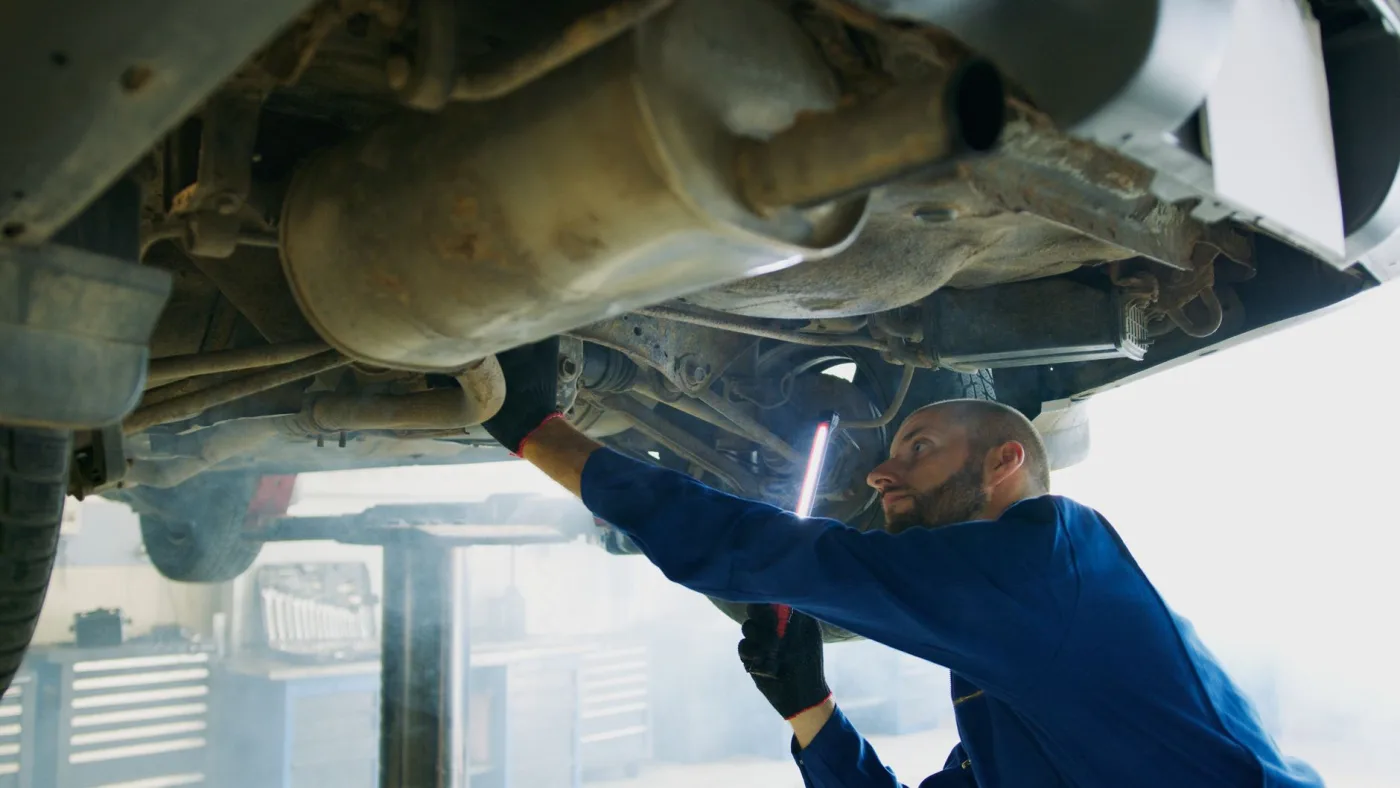
Why Daily Vehicle Inspections Matter for Fleet Safety and Reliability
In the fast-paced world of urban mobility, fleet operators face constant pressure to keep vehicles on the road, drivers safe, and costs under control. Whether you manage a small fleet of taxis in Douala or a growing number of delivery vans in Yaoundé, the condition of your vehicles directly impacts your bottom line. Daily vehicle inspections are a simple yet powerful practice that can significantly improve fleet safety and reliability. By catching minor issues before they become major problems, inspections help prevent accidents, reduce downtime, and extend the lifespan of your vehicles.
At MboaFleet, we understand that operational success depends on real-world factors: vehicle condition, driver discipline, maintenance, demand, costs, availability, and reporting. Daily inspections are a foundational element that ties these factors together. They are not just a box to tick; they are a proactive strategy to protect your assets and the people who depend on them.
The Role of Daily Inspections in Fleet Safety
Safety is non-negotiable in fleet operations. A vehicle with worn brakes, faulty lights, or bald tires is an accident waiting to happen. Daily inspections help identify these hazards before they lead to incidents. In Cameroon's diverse driving conditions—from bustling city streets to unpaved rural roads—vehicles endure a lot. A daily check ensures that critical safety components are in good working order.
Key Safety Checks to Perform Daily
- Brakes: Test brake response and listen for unusual noises. Any sign of weakness should be addressed immediately.
- Tires: Check tire pressure, tread depth, and for any cuts or bulges. Properly inflated tires improve handling and fuel efficiency.
- Lights and Signals: Ensure headlights, brake lights, turn signals, and hazard lights are functioning. Visibility is crucial for safe driving.
- Fluid Levels: Check oil, coolant, brake fluid, and windshield washer fluid. Low levels can lead to overheating or brake failure.
- Mirrors and Windshield: Ensure mirrors are clean and properly adjusted, and the windshield is free of cracks or obstructions.
- Seatbelts: Verify that all seatbelts are in good condition and function correctly.
By making these checks a daily routine, drivers become more aware of their vehicle's condition and can report issues promptly. This proactive approach reduces the risk of accidents and keeps everyone safer.
How Daily Inspections Enhance Fleet Reliability
Reliability is about keeping vehicles on the road and minimizing unexpected breakdowns. A vehicle that is regularly inspected is less likely to suffer a major failure because small problems are caught early. This translates to fewer disruptions, happier customers, and more consistent revenue.
Preventing Breakdowns and Reducing Downtime
Breakdowns are costly. They lead to lost income, repair expenses, and damage to your reputation. Daily inspections help you spot issues like low oil pressure, unusual engine noises, or worn belts before they cause a breakdown. For example, a small coolant leak can be fixed quickly, but if ignored, it can lead to an overheated engine and a major repair bill. In fleet operations, where every vehicle is an income-generating asset, minimizing downtime is essential.
Extending Vehicle Lifespan
Regular maintenance, starting with daily inspections, extends the life of your vehicles. When components are replaced or repaired on time, the vehicle operates more efficiently and avoids the accelerated wear that comes from neglect. This is particularly important in Cameroon, where replacement parts can be expensive and availability may vary. By taking care of your vehicles, you protect your economic participation in mobility projects and ensure that your assets continue to perform.
Practical Advice for Implementing Daily Inspections
Implementing a daily inspection program doesn't have to be complicated. Here are some practical steps to get started:
- Create a Checklist: Develop a simple, standardized checklist that covers all critical areas. Make it easy for drivers to follow and complete each day.
- Train Drivers: Ensure drivers understand what to look for and how to report issues. Driver monitoring and training are key to a successful program.
- Use Technology: Consider using mobile apps or digital forms for inspections. This makes it easier to track results and identify trends.
- Establish a Reporting System: Set up a clear process for drivers to report defects. Maintenance teams should address issues promptly and log all actions.
- Review and Improve: Regularly review inspection data to identify recurring problems. Use this information to adjust maintenance schedules or driver training.
At MboaFleet, we emphasize the importance of reporting and transparency. Our platform helps partners track vehicle condition, maintenance activities, and operational performance. By integrating daily inspections into your fleet management routine, you create a culture of accountability and care.
The Impact on Driver Monitoring and Accountability
Daily inspections also play a role in driver monitoring. When drivers are responsible for inspecting their vehicles, they become more engaged in maintenance and safety. This sense of ownership can lead to better driving habits and reduced wear and tear. Additionally, inspection reports provide valuable data that can be used to identify drivers who may need additional training or support.
In fleet operations, accountability is crucial. When drivers know that their inspection reports are reviewed, they are more likely to take the process seriously. This leads to a safer, more reliable fleet overall.
Integrating Inspections with Fleet Management Systems
For larger fleets, integrating daily inspections with a fleet management system can streamline operations. Digital tools can automate reminders, track compliance, and generate reports. This not only saves time but also provides a clear overview of fleet health. In Cameroon, where mobile technology is widely adopted, such systems can be particularly effective.
MboaFleet's approach to fleet operations includes a focus on transparency and reporting. By using data from daily inspections, fleet managers can make informed decisions about maintenance, vehicle deployment, and driver performance. This data-driven approach helps optimize operations and improve overall reliability.
Overcoming Common Challenges
Implementing daily inspections may face resistance or logistical challenges. Drivers might see it as an extra burden, or managers might struggle to enforce compliance. Here are some tips to overcome these hurdles:
- Lead by Example: When management prioritizes safety and maintenance, it sets the tone for the entire team.
- Provide Incentives: Recognize and reward drivers who consistently perform thorough inspections and report issues.
- Keep it Simple: A complicated checklist can be overwhelming. Focus on the most critical items and keep the process efficient.
- Communicate Benefits: Explain how daily inspections benefit drivers—safer vehicles, fewer breakdowns, and less stress on the road.
Conclusion: Building a Culture of Safety and Reliability
Daily vehicle inspections are a cornerstone of fleet safety and reliability. They help prevent accidents, reduce downtime, extend vehicle life, and foster a culture of accountability. In Cameroon's dynamic urban mobility sector, where competition is fierce and conditions can be challenging, this practice can give your fleet a significant advantage.
At MboaFleet, we are committed to promoting operational excellence through transparency, driver monitoring, and robust maintenance practices. We invite you to learn more about our model and how we support partners in managing income-generating vehicles effectively. By prioritizing daily inspections, you contribute to a safer, more reliable mobility ecosystem for everyone.
Disclaimer: This content is for informational purposes only and does not constitute an investment offer or financial advice. Performance depends on real operational factors including vehicle condition, driver discipline, maintenance, demand, costs, availability, and reporting. Variable activity-based revenue is not guaranteed.