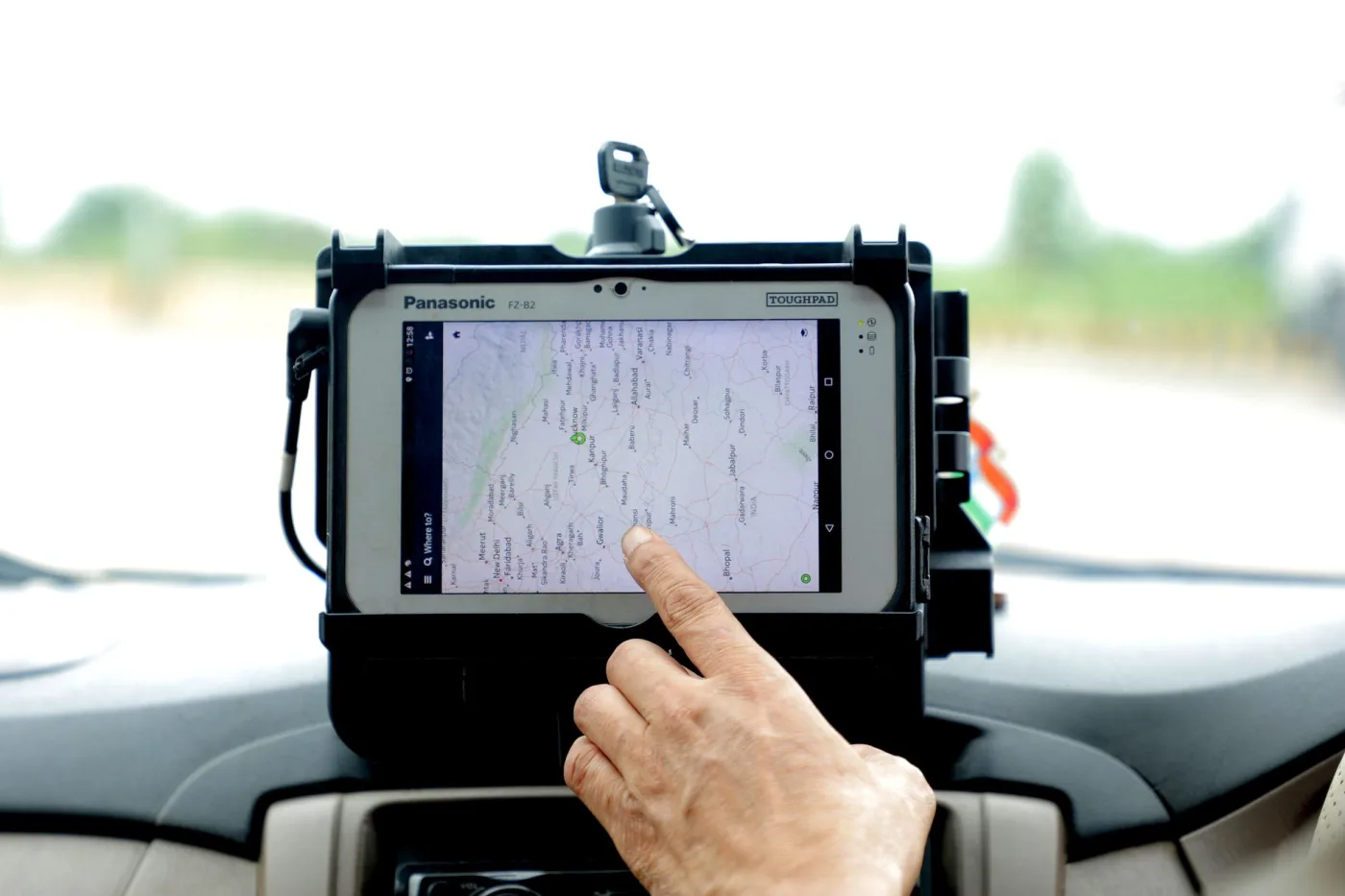
Why Route Planning Matters More Than Ever in Cameroon
In Cameroon’s bustling cities like Douala and Yaoundé, traffic congestion, unpredictable road conditions, and rising fuel costs make fleet operations challenging. For operators managing income-generating vehicles, every kilometer counts. Route planning is no longer just a convenience—it is a core operational strategy. By using data to plan and adjust routes, fleet managers can reduce idle time, lower fuel consumption, and improve vehicle availability. This article explores how data-driven route planning enhances fleet efficiency, supports better driver monitoring, and contributes to transparent reporting—key pillars of the MboaFleet model.
The Role of Data in Modern Fleet Management
Data-driven route planning involves collecting and analyzing information such as traffic patterns, road quality, delivery windows, vehicle health, and driver behavior. Instead of relying on intuition or static maps, fleet managers use real-time and historical data to make informed decisions. In the context of an operational mobility platform like MboaFleet, this approach aligns with a commitment to transparency and operational excellence. Data helps answer critical questions: Which routes minimize fuel use? Where are recurring delays? Which drivers need additional training? By answering these questions, operators can optimize daily operations and allocate resources more effectively.
Key Benefits of Data-Driven Route Planning
- Fuel Efficiency: Optimized routes reduce unnecessary miles and idle time, directly lowering fuel consumption. In Cameroon, where fuel prices can fluctuate, this is a tangible cost-saving measure.
- Time Savings: Avoiding congested areas and choosing faster routes ensures that vehicles complete more trips per day, increasing overall productivity.
- Reduced Wear and Tear: Shorter, smoother routes decrease vehicle wear, leading to fewer breakdowns and lower maintenance costs. This is especially important for high-mileage urban fleets.
- Improved Driver Monitoring: Route data can be integrated with driver monitoring systems to assess adherence to planned routes, identify risky behaviors, and provide constructive feedback.
- Better Maintenance Planning: Data on route intensity and vehicle usage helps schedule preventive maintenance, avoiding costly surprises and extending vehicle life.
- Enhanced Reporting: Transparent reporting becomes easier when route data is collected systematically. Stakeholders can see how vehicles are used and how operational efficiency evolves over time.
How Route Data Supports Operational Performance
Operational performance in a mobility project depends on real-world factors: vehicle condition, driver discipline, maintenance quality, demand, and costs. Data-driven route planning directly influences several of these. For example, if a vehicle consistently travels on poorly maintained roads, it may require more frequent repairs. By rerouting to better roads, operators can improve vehicle reliability and reduce downtime. Similarly, if data shows that certain drivers deviate from planned routes, targeted training can improve compliance and safety. Over time, these incremental improvements compound, leading to a more efficient and predictable fleet operation.
Practical Steps to Implement Data-Driven Route Planning
For fleet operators in Cameroon, implementing data-driven route planning does not require a massive overhaul. Here are practical steps to get started:
- Start with Basic Data Collection: Use GPS trackers or mobile apps to record routes, stops, and times. Even simple data can reveal patterns.
- Analyze Historical Data: Look for recurring delays, high-fuel consumption zones, and frequent breakdown locations. This helps prioritize route changes.
- Use Route Optimization Tools: Consider affordable software that suggests efficient routes based on real-time traffic and historical data. Many tools are scalable for small and medium fleets.
- Involve Drivers: Drivers know the roads best. Encourage them to report hazards, congestion, and alternative routes. Their input enriches the data.
- Integrate with Maintenance Schedules: Link route data with maintenance logs to identify correlations between route types and vehicle issues. This supports proactive maintenance.
- Review and Adjust Regularly: Route planning is not a one-time task. Review data monthly and adjust routes as conditions change—new construction, market shifts, or seasonal demand.
Overcoming Challenges in the Cameroonian Context
Data-driven route planning in Cameroon comes with unique challenges. Internet connectivity can be inconsistent, and road infrastructure varies greatly. However, these obstacles are not insurmountable. Offline-capable apps and periodic data syncing can work around connectivity gaps. Additionally, starting with a small pilot fleet allows operators to test and refine approaches before scaling. It is also important to combine quantitative data with local knowledge. For instance, a route that is statistically shorter may be impractical during rainy season due to flooding. A hybrid approach—using data as a guide and driver input as a reality check—yields the best results.
The Link Between Route Planning and Transparency
One of the core values of the MboaFleet model is transparency. Data-driven route planning supports this by creating a clear record of how vehicles are used. Reports can show the number of trips, average trip length, fuel consumption per route, and on-time performance. This information is valuable for partners who participate in the economic activity of the fleet. It allows them to see that operations are managed diligently, not based on promises, but on real-world activity and measurable performance. Transparency also builds trust among all stakeholders, from drivers to maintenance teams to partners.
Why Operational Efficiency Matters for Economic Participation
In the MboaFleet model, partners contribute to an income-generating vehicle and share in the variable revenue derived from its operation. This revenue is not guaranteed; it depends on how well the vehicle performs in real-world conditions. Efficient route planning directly impacts that performance. A well-planned route means more completed trips, lower fuel costs, and fewer breakdowns—all of which contribute to healthier operational margins. By prioritizing efficiency, MboaFleet aims to support sustainable operations that can generate activity-based revenue over time. However, it is important to note that outcomes can vary due to factors beyond control, such as economic conditions, demand fluctuations, and unexpected repairs.
Conclusion: A Smarter Path Forward with MboaFleet
Data-driven route planning is a powerful tool for improving fleet efficiency in Cameroon. It reduces costs, enhances driver monitoring, supports maintenance, and strengthens reporting. For MboaFleet, adopting such practices is part of a broader commitment to operational excellence and transparency. We believe that informed, data-backed decisions lead to better real-world performance—and that is what ultimately matters for any mobility project. If you are curious about how MboaFleet organizes economic participation around income-generating vehicles and how we use data to drive operations, we invite you to explore our model further. Understanding the mechanics of fleet operations is the first step toward making informed decisions.
Disclaimer: This content is for informational purposes only and does not constitute an investment offer or financial advice. Operational performance and revenue are subject to real-world factors and may vary.