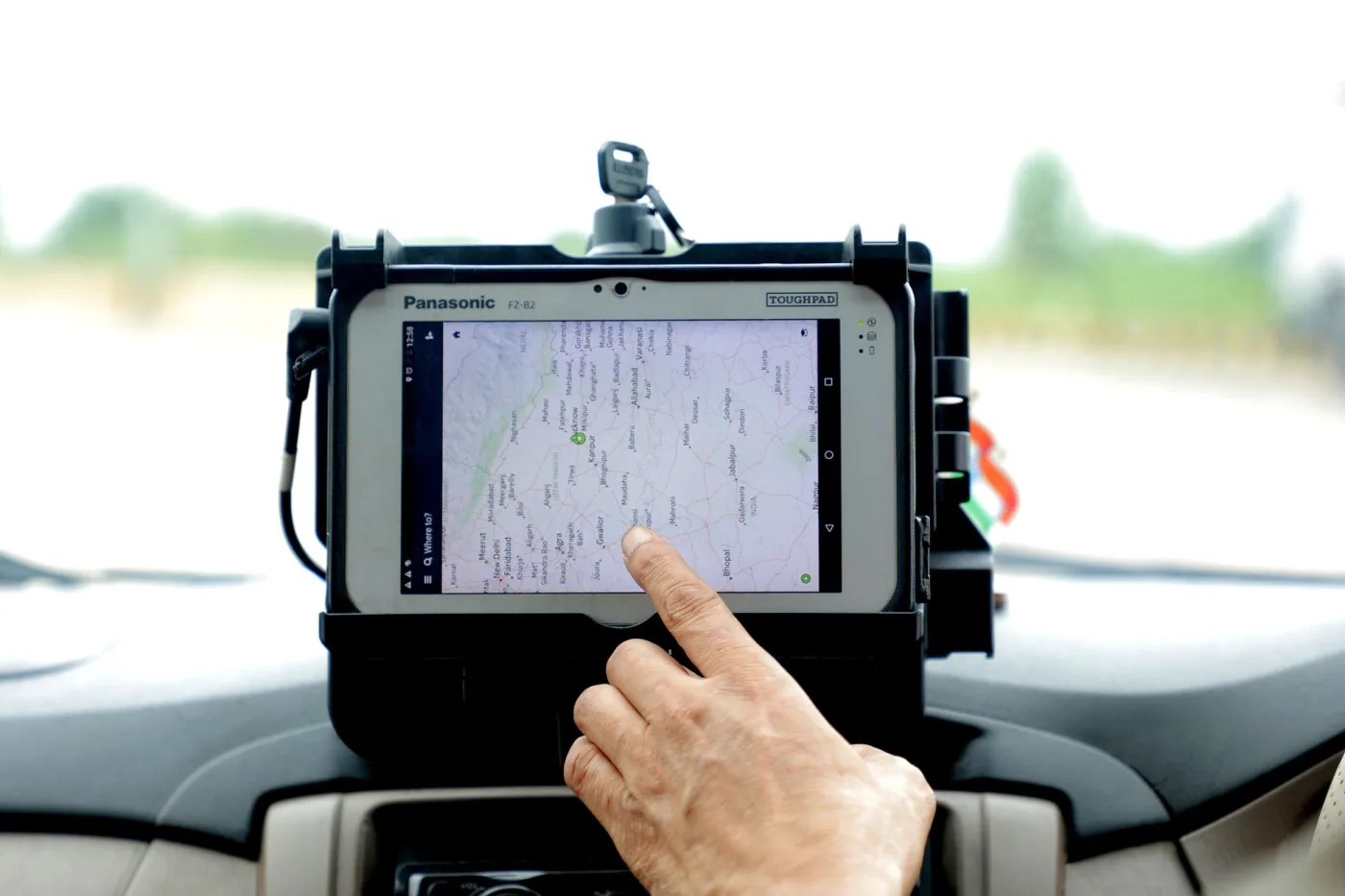
Introduction: Fuel Efficiency as a Core Operational Priority
In the mobility sector, fuel is often one of the largest variable costs. For fleet operators in Cameroon, where urban congestion and road conditions vary widely, managing fuel consumption is not just about saving money—it is about ensuring the long-term viability of the operation. At MboaFleet, we believe that real-world activity, driver discipline, and transparent reporting are the foundations of efficient fleet management. This article explains how monitoring driver behavior can help partners reduce fuel costs, improve vehicle longevity, and contribute to more sustainable urban mobility.
Why Fuel Efficiency Matters for Fleet Operations
Fuel efficiency directly impacts the operational performance of any income-generating vehicle. When fuel consumption is high, the variable costs increase, reducing the net revenue available for vehicle maintenance, partner contributions, and future mobility projects. In Cameroon, where fuel prices can fluctuate and traffic patterns are unpredictable, every liter saved counts. By focusing on driver behavior, fleet operators can achieve measurable improvements without requiring expensive technology or major vehicle modifications.
Key Driver Behaviors That Affect Fuel Consumption
Several driving habits have a direct influence on fuel efficiency. Understanding these behaviors is the first step toward improving them:
- Harsh acceleration and braking: Rapid starts and sudden stops waste fuel by forcing the engine to work harder. Smooth acceleration and gradual braking can improve fuel economy by up to 20% in stop-and-go traffic common in cities like Douala and Yaoundé.
- Excessive idling: Leaving the engine running while waiting for passengers or during traffic jams consumes fuel without moving the vehicle. Idling for more than 30 seconds uses more fuel than restarting the engine.
- Speeding: Driving at high speeds increases aerodynamic drag and engine load, reducing fuel efficiency. Maintaining a steady speed around 50-60 km/h in urban areas is often optimal.
- Poor gear shifting: For manual transmission vehicles, shifting gears at the wrong RPM can strain the engine and increase fuel consumption. Keeping the engine in the sweet spot (usually between 2000 and 2500 RPM) is recommended.
- Overloading: Carrying excess weight forces the engine to work harder. Adhering to the vehicle's recommended load capacity helps maintain fuel efficiency.
How Driver Monitoring Systems Work
Driver behavior monitoring involves collecting data from the vehicle's onboard systems, GPS, and sometimes additional sensors. This data is then analyzed to generate reports on driving patterns, fuel usage, and maintenance needs. At MboaFleet, we integrate this monitoring into our operational platform to provide partners with transparent, real-time insights. The system can track metrics such as:
- Speed and acceleration patterns
- Idle time and distance traveled
- Braking frequency and severity
- Fuel consumption per kilometer
- Engine performance and diagnostic codes
These reports help fleet managers and partners identify which drivers may need additional training or coaching. Over time, consistent monitoring creates a culture of accountability and continuous improvement.
Practical Steps to Improve Fuel Efficiency Through Driver Monitoring
Implementing driver behavior monitoring does not require a complete overhaul of your fleet operations. Here are actionable steps that MboaFleet partners can take:
1. Set Clear Benchmarks
Before monitoring can improve performance, you need a baseline. Track fuel consumption and driving metrics for a few weeks to understand current patterns. Use this data to set realistic targets, such as reducing idle time by 10% or improving average fuel economy by 5%.
2. Provide Regular Feedback
Share monitoring reports with drivers in a constructive way. Highlight positive behaviors and areas for improvement. In Cameroon, where many drivers operate independently, fostering a cooperative relationship is key. Avoid punitive measures; instead, focus on education and incentives.
3. Offer Training Sessions
Organize short workshops on eco-driving techniques. Topics can include smooth acceleration, proper gear use, and route planning to avoid congested areas. Practical demonstrations and group discussions can reinforce the lessons.
4. Optimize Routes
Use GPS data from monitoring systems to identify routes that minimize fuel consumption. In cities like Yaoundé with hilly terrain, choosing flatter roads can reduce engine strain. Also, avoid peak traffic hours when possible.
5. Integrate Maintenance Schedules
Driver behavior monitoring can also alert you to potential maintenance issues. For example, a sudden drop in fuel efficiency may indicate a dirty air filter, low tire pressure, or a faulty oxygen sensor. Regular maintenance based on real-time data ensures the vehicle operates at peak efficiency.
The Role of Reporting and Transparency
Transparency is at the heart of the MboaFleet model. Regular reporting on fuel consumption and driver behavior allows partners to make informed decisions about their operations. When drivers know that their performance is being tracked and shared, they are more likely to adopt fuel-saving habits. Additionally, transparent reports help build trust among all parties involved—fleet operators, drivers, and partners—by showing that operational performance is based on real activity, not speculation.
Cameroon-Specific Considerations
Urban mobility in Cameroon presents unique challenges. Traffic congestion, road quality, and informal transport practices can all affect fuel efficiency. Driver behavior monitoring must account for these factors. For instance, a driver may need to brake frequently due to potholes or unexpected obstacles. In such cases, monitoring systems should be calibrated to distinguish between necessary braking and aggressive driving. MboaFleet’s platform is designed to adapt to local conditions, providing context-aware insights that are more useful than generic metrics.
Conclusion: Monitoring as a Foundation for Operational Excellence
Driver behavior monitoring is a powerful tool for improving fuel efficiency, but it is not a magic bullet. It works best when combined with proper maintenance, route optimization, and a culture of continuous learning. For MboaFleet partners, these practices contribute to the overall health of the mobility project, ensuring that income-generating vehicles remain productive and sustainable over time. By focusing on real-world activity and transparent reporting, we can all contribute to more efficient urban mobility in Cameroon.
Disclaimer: This content is for informational purposes only and does not constitute an investment offer or financial advice. Operational performance depends on real factors such as vehicle condition, driver discipline, maintenance, demand, costs, availability, and reporting.
If you would like to learn more about how MboaFleet supports partners with driver monitoring and operational transparency, we invite you to explore our model further. Understanding the details of how we work together is the first step toward a more informed participation in the mobility sector.