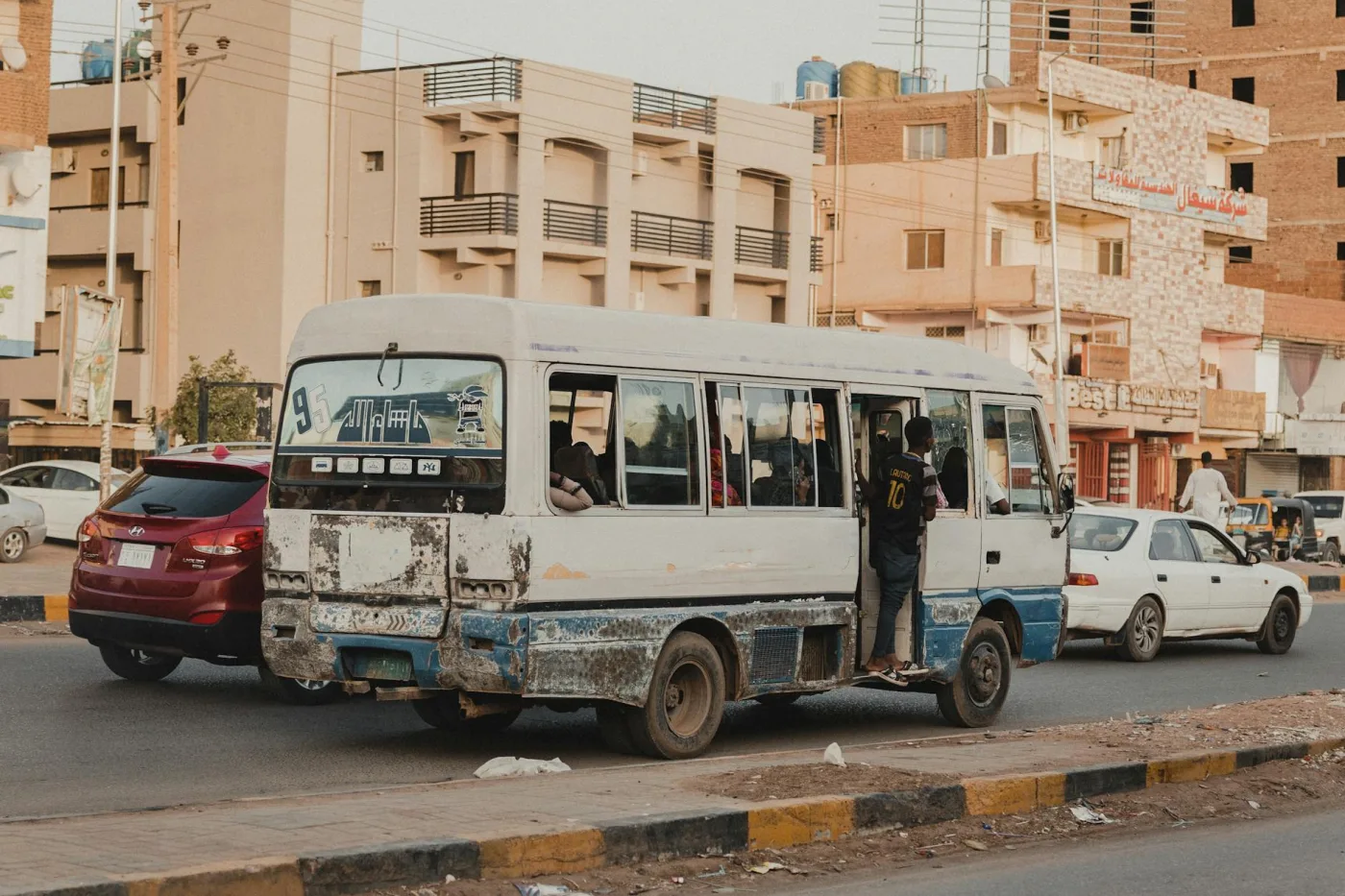
Introduction: The Urban Mobility Challenge in Cameroon
In Cameroon, cities like Douala and Yaoundé face increasing urban traffic congestion. Rapid urbanization, growing vehicle numbers, and limited road infrastructure create daily bottlenecks. For mobility operators, this congestion means lost time, higher fuel costs, and reduced vehicle availability. However, fleet optimization—the systematic management of vehicle operations—offers a practical way to ease these pressures. MboaFleet, a compliant operational mobility platform, partners with participants to organize income-generating vehicles through disciplined fleet operations, driver monitoring, maintenance, and transparent reporting. This article explains how fleet optimization reduces congestion and improves urban mobility, emphasizing real-world operational factors rather than financial promises.
Understanding Fleet Optimization in Urban Contexts
Fleet optimization involves coordinating vehicles, drivers, and schedules to maximize operational efficiency. In congested cities, this means reducing idle time, minimizing empty trips, and ensuring vehicles are well-maintained. Key components include:
- Route planning: Using data to avoid peak congestion areas and choose efficient paths.
- Driver monitoring: Tracking behavior such as speeding, idling, and adherence to schedules.
- Maintenance scheduling: Preventing breakdowns that block roads and cause delays.
- Reporting: Analyzing operational data to adjust strategies continuously.
For MboaFleet, these elements are central to its model. By focusing on real-world activity—vehicle condition, driver discipline, maintenance, demand, costs, and availability—the platform supports partners in contributing to smoother urban traffic flows.
How Fleet Optimization Reduces Congestion
1. Reducing Vehicle Idle Time
Idle vehicles waste fuel and occupy road space. Fleet optimization uses driver monitoring and route planning to minimize waiting times. For example, drivers can be directed to high-demand areas instead of circling aimlessly. This reduces the number of vehicles on the road at any given time, easing congestion. In Cameroon, where traffic jams often result from uncoordinated private vehicles, organized fleets can set a positive example.
2. Preventive Maintenance to Avoid Breakdowns
A broken-down vehicle in a narrow street can cause hours of congestion. Regular maintenance—tracked through MboaFleet’s reporting tools—ensures vehicles are roadworthy. This proactive approach prevents unexpected stops and keeps traffic flowing. Maintenance also extends vehicle life, supporting sustainable mobility operations.
3. Efficient Route Allocation
Data-driven route planning helps fleets avoid peak traffic times and congested zones. By analyzing historical demand and real-time conditions, operators can assign vehicles to routes with less traffic. This not only speeds up trips but also reduces overall traffic volume. For instance, a fleet serving Yaoundé’s central market can schedule deliveries during off-peak hours, clearing roads for other users.
4. Driver Behavior and Discipline
Driver monitoring systems track behaviors like harsh braking, rapid acceleration, and unnecessary idling. Disciplined drivers contribute to smoother traffic by avoiding erratic movements that cause bottlenecks. MboaFleet’s platform emphasizes driver training and feedback, turning each driver into a partner in congestion reduction.
5. Optimizing Vehicle Utilization
Underutilized vehicles add to congestion without providing proportional mobility benefits. Fleet optimization ensures each vehicle is used efficiently—matching supply with demand. This reduces the total number of vehicles needed to serve a population, lowering traffic density. In Cameroon, where many vehicles operate below capacity, this is a critical improvement.
Practical Advice for Fleet Operators in Cameroon
To leverage fleet optimization for congestion relief, consider these actionable steps:
- Implement driver monitoring: Use telematics to track routes, speed, and idle time. Share reports with drivers to encourage better habits.
- Schedule regular maintenance: Create a preventive maintenance calendar based on mileage or time. Use a reporting system to log inspections and repairs.
- Analyze demand patterns: Study peak hours and popular destinations. Adjust fleet deployment accordingly to avoid overloading roads.
- Promote ride-sharing or pooling: Encourage multiple passengers per trip to reduce vehicle count. This is especially effective in high-density urban areas.
- Use real-time data: Invest in simple GPS tracking and reporting tools to make informed decisions on the fly.
- Collaborate with local authorities: Share anonymized traffic data to help urban planners improve infrastructure.
These measures depend on operational discipline, not financial promises. Performance varies based on vehicle condition, driver cooperation, maintenance quality, demand fluctuations, and cost management.
The Role of Reporting and Transparency
Transparent reporting is the backbone of effective fleet optimization. MboaFleet provides partners with regular operational reports covering vehicle usage, maintenance history, driver performance, and cost trends. This data enables continuous improvement. For example, a report might show that a particular vehicle frequently idles in traffic, prompting a route change. Another report could reveal that preventive maintenance reduces breakdowns by 30%, directly easing congestion. Reporting also builds trust among participants, as they see real-world activity rather than abstract projections.
Why This Matters for Urban Mobility in Cameroon
Cameroon’s cities need sustainable mobility solutions that don’t rely on financial speculation. Fleet optimization offers a practical, operational approach. By organizing vehicles into efficient fleets, we can reduce the number of cars on the road, lower emissions from idling, and improve travel times. MboaFleet’s model focuses on real economic participation—partners contribute to income-generating vehicles through operational collaboration, not financial instruments. The success of such initiatives depends on disciplined operations: vehicle availability, driver professionalism, proactive maintenance, and data-driven decisions.
Moreover, fleet optimization aligns with national goals for sustainable urban development. It supports public transport systems, reduces fuel imports, and creates local jobs in maintenance and monitoring. For individual partners, it offers a way to participate in mobility without passive financial expectations—instead, they engage in real-world activity with variable, activity-based revenue.
Conclusion: A Step Toward Smoother Streets
Fleet optimization is not a magic solution, but a proven operational strategy to ease urban traffic congestion. Through careful route planning, driver monitoring, preventive maintenance, and transparent reporting, fleets can reduce the number of vehicles on the road, prevent breakdowns, and improve traffic flow. MboaFleet invites you to explore how its platform supports these practices in Cameroon. By focusing on real operational factors—vehicle condition, driver discipline, maintenance, demand, costs, and availability—we can collectively build more efficient and less congested cities. To learn more about the MboaFleet model and how you can participate in a compliant mobility project, visit our website or contact our team.
Disclaimer: This content is for informational purposes only and does not constitute an investment offer or financial advice. MboaFleet is an operational mobility platform, not a regulated financial product. Performance depends on real operational factors, including vehicle condition, driver discipline, maintenance, demand, costs, and availability.