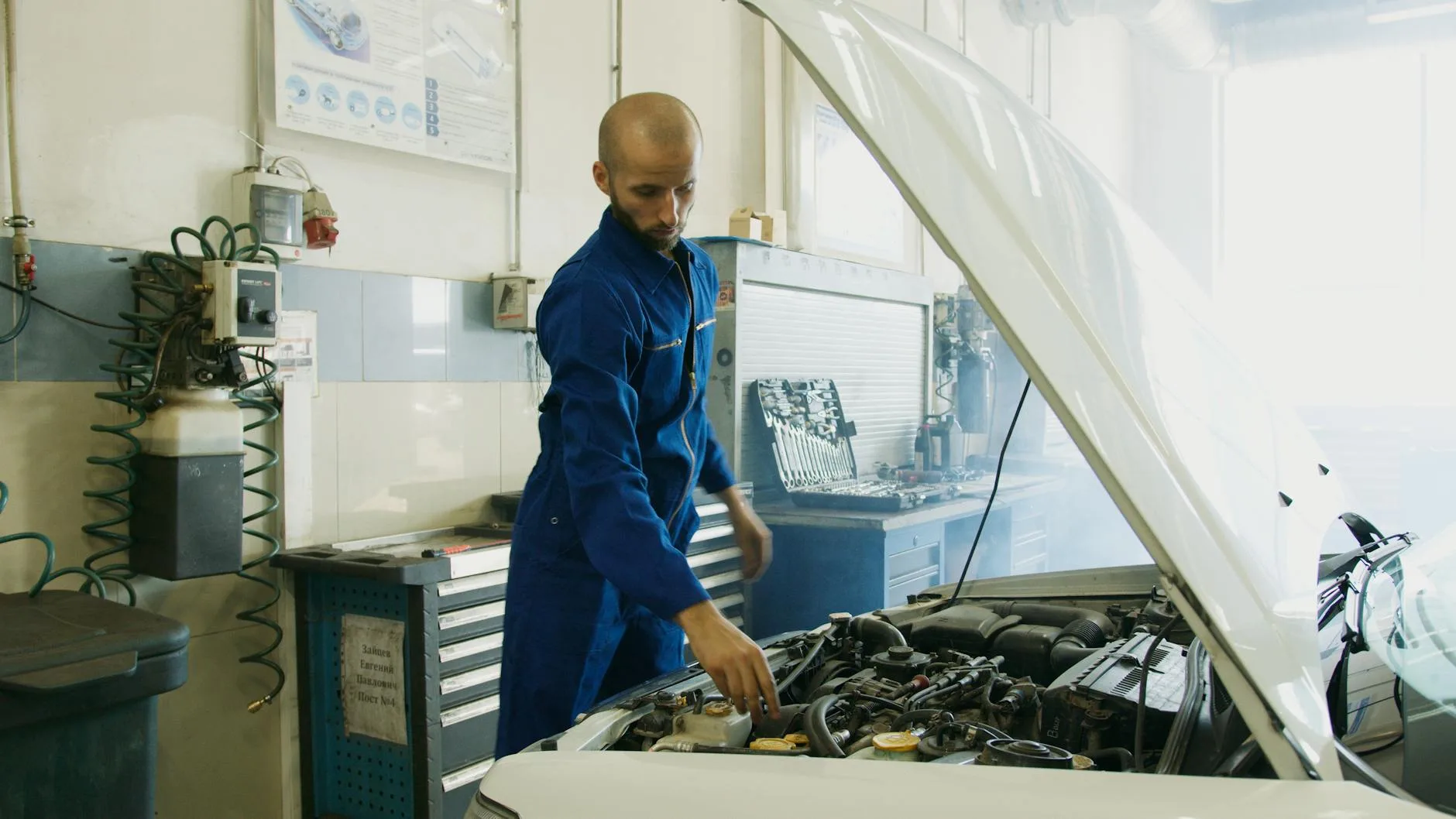
Why Maintenance Planning Matters for Vehicle Performance
In Cameroon’s dynamic urban mobility landscape, vehicles are the engine of daily economic activity. Whether for transporting people or goods, a well-maintained vehicle performs reliably, consumes less fuel, and stays on the road longer. For fleets operating under models like MboaFleet, where partners contribute to income-generating vehicles, maintenance planning is not an afterthought—it is a core operational strategy.
Without a structured maintenance plan, vehicles face accelerated wear, unexpected breakdowns, and costly repairs. These disruptions not only reduce availability but also affect the variable activity-based revenue that partners and operators depend on. By planning maintenance proactively, fleet operators can protect vehicle performance, extend lifespan, and ensure consistent service delivery.
The Real-World Impact of Poor Maintenance
In cities like Douala and Yaoundé, where traffic congestion and road conditions vary, vehicles endure stress daily. Common issues include engine overheating, brake wear, tyre punctures, and suspension damage. When maintenance is reactive—waiting for something to break—the consequences ripple through operations:
- Increased downtime: A broken vehicle generates no income and may require days or weeks to repair.
- Higher operational costs: Emergency repairs often cost more than scheduled maintenance.
- Reduced driver safety: Faulty brakes or worn tyres put drivers and passengers at risk.
- Lower partner confidence: Frequent breakdowns erode trust in the operational model.
For MboaFleet, maintenance planning is a key tool to mitigate these risks. By integrating checks into daily and weekly routines, the platform helps keep vehicles in optimal condition.
Key Elements of an Effective Maintenance Plan
1. Scheduled Inspections and Servicing
Every vehicle has manufacturer-recommended service intervals—typically every 5,000 to 10,000 kilometers. These intervals cover oil changes, filter replacements, fluid checks, and belt inspections. Adhering to this schedule prevents minor issues from becoming major failures. In Cameroon’s climate, additional checks on air conditioning and cooling systems are essential.
2. Daily Driver Walk-Arounds
Drivers are the first line of defense. A simple daily checklist—tyre pressure, lights, oil level, brake response, and unusual noises—can catch problems early. MboaFleet’s driver monitoring features encourage this habit through reporting tools that log observations. When drivers report issues promptly, fleet managers can schedule repairs before a breakdown occurs.
3. Real-Time Condition Monitoring
Modern fleet operations benefit from technology. Sensors and telematics can track engine temperature, battery health, fuel consumption, and mileage. When data shows a deviation from normal patterns, it signals a need for maintenance. This proactive approach reduces surprise failures and supports transparent reporting for all partners.
4. Spare Parts and Vendor Readiness
Planning maintenance also means having access to quality spare parts and reliable service vendors. In Cameroon, sourcing genuine parts can be challenging. Fleet operators should build relationships with trusted suppliers and negotiate priority service agreements. This reduces the time a vehicle spends off the road.
5. Record Keeping and Analysis
Every maintenance action should be documented: date, kilometers, parts replaced, costs, and observations. Over time, this data reveals patterns—which components wear fastest, which drivers are harder on vehicles, and which routes cause more stress. MboaFleet’s reporting tools help partners and operators access this information, making maintenance planning data-driven rather than guesswork.
How Maintenance Planning Protects Income-Generating Vehicles
In a mobility project, a vehicle’s primary purpose is to generate income through its availability and performance. Here is how maintenance planning directly supports that goal:
- Maximizes uptime: A well-maintained vehicle is available for more hours each day, increasing its earning potential.
- Optimizes fuel efficiency: Clean filters, properly inflated tyres, and tuned engines reduce fuel consumption, lowering operating costs.
- Preserves resale value: Regular maintenance records increase the vehicle’s market value, which matters if the fleet is refreshed over time.
- Enhances driver productivity: Reliable vehicles reduce driver stress and improve service quality, leading to better customer ratings and repeat business.
For partners contributing to a vehicle, transparent maintenance reporting builds trust. They can see that the asset is being cared for properly, which reinforces confidence in the operational model.
Practical Advice for Fleet Operators in Cameroon
Implementing a maintenance plan does not require a large budget—it requires discipline. Here are actionable steps:
- Create a maintenance calendar: Use a simple spreadsheet or app to track service due dates and past work.
- Train drivers: Educate drivers on basic checks and encourage them to report issues immediately. Reward good reporting habits.
- Set aside a maintenance fund: Allocate a portion of operational revenue to cover scheduled and unexpected repairs. This prevents cash flow disruptions.
- Use local expertise: Partner with mechanics who understand the specific demands of Cameroon’s roads and climate.
- Review data regularly: Monthly reviews of maintenance costs and vehicle availability help identify areas for improvement.
MboaFleet’s platform supports these practices by providing dashboards and reports that centralize maintenance data, making it easy for operators to stay on top of vehicle health.
The Role of Transparency and Reporting
Transparent reporting is at the heart of MboaFleet’s approach. When maintenance activities are recorded and shared with all partners, it removes ambiguity. Everyone involved—whether contributing to a vehicle or managing operations—can see what has been done, why, and at what cost. This openness fosters collaboration and shared responsibility for vehicle performance.
Reporting also helps evaluate the effectiveness of the maintenance plan. If certain vehicles require more frequent repairs, the data may reveal underlying issues such as route difficulty, driver behavior, or part quality. Adjustments can then be made to improve outcomes.
Conclusion: Building a Culture of Proactive Care
Maintenance planning is not just about fixing things when they break—it is about protecting the value and performance of every vehicle in a fleet. In Cameroon’s fast-growing urban mobility sector, where vehicles are central to economic participation, proactive maintenance is a competitive advantage. It reduces risk, improves reliability, and supports sustainable income generation.
MboaFleet is committed to promoting operational excellence through transparent processes, driver monitoring, and data-driven maintenance planning. By understanding and applying these principles, partners and operators can work together to keep vehicles performing at their best.
Disclaimer: This content is for informational purposes only and does not constitute an investment offer or financial advice. The performance of any mobility project depends on real operational factors including vehicle condition, driver discipline, demand, and costs. No guaranteed outcomes are implied.
Interested in learning more about how MboaFleet organizes maintenance, driver monitoring, and transparent reporting? Explore our model to see how operational focus can support sustainable mobility participation in Cameroon.