Introduction
In Cameroon's bustling urban centers like Douala and Yaoundé, fleet operators face daily challenges: traffic congestion, road conditions, and vehicle reliability. Downtime—the time a vehicle is off the road for repairs—can disrupt operations, reduce income, and frustrate partners. Preventive maintenance is the most effective strategy to minimize downtime, improve vehicle availability, and support consistent operational performance. This article explains how fleet operators, partners, and drivers can work together to keep vehicles moving.
Why Preventive Maintenance Matters for Fleet Operations
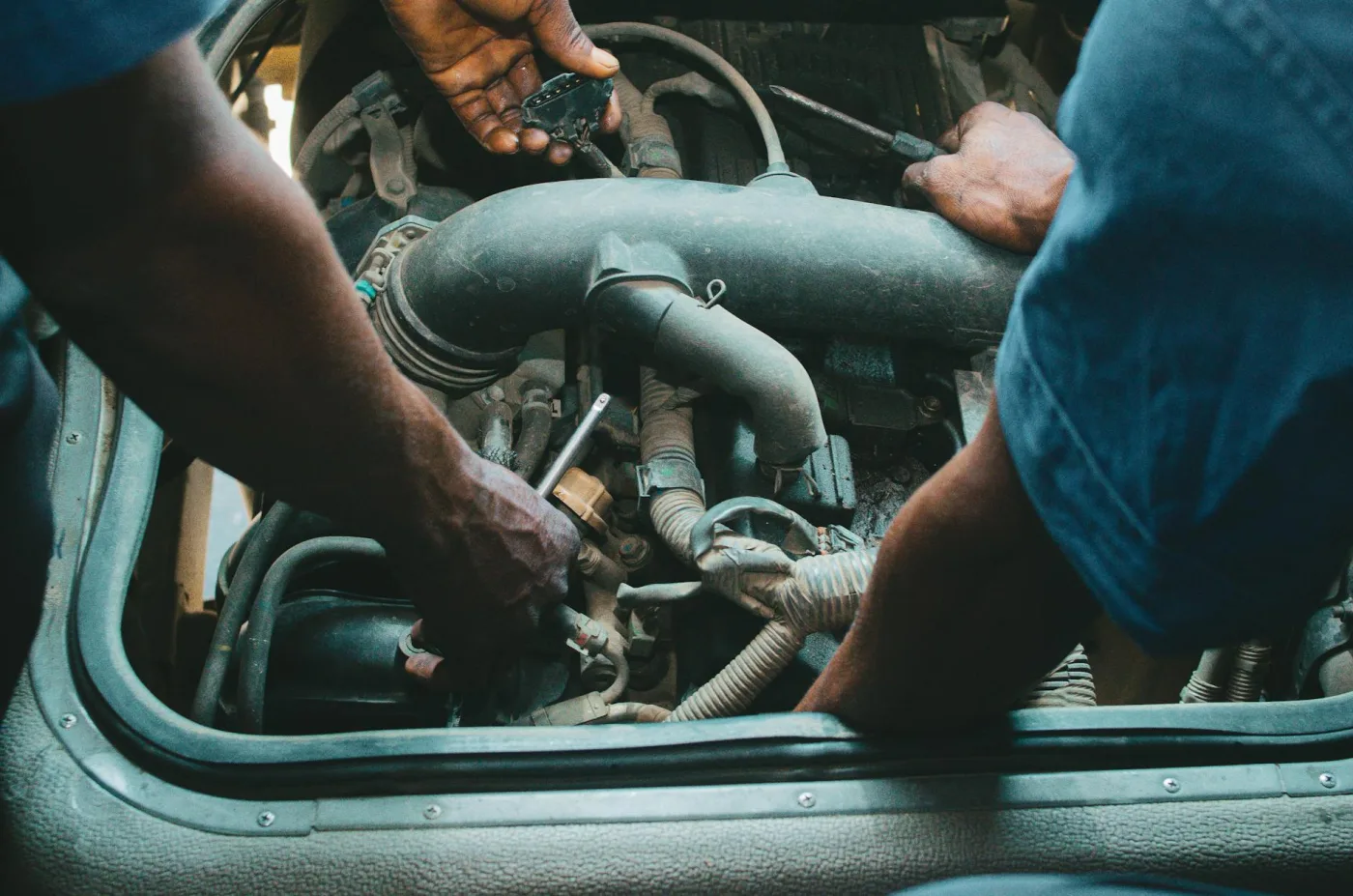
Preventive maintenance involves regular inspections, servicing, and part replacements before failures occur. For a mobility platform like MboaFleet, which organizes partner participation around income-generating vehicles, maintenance is a cornerstone of operational reliability. When vehicles are well-maintained, they experience fewer breakdowns, lower repair costs, and longer lifespans. This translates to more predictable activity and reduced disruptions for everyone involved.
In the context of Cameroon's urban mobility, where spare parts availability and mechanic expertise vary, a structured maintenance plan is essential. Without it, small issues like worn brake pads or low coolant levels can escalate into major repairs, sidelining a vehicle for days. Preventive maintenance catches these problems early.
Key Benefits of Preventive Maintenance
- Reduced unplanned downtime: Regular checks prevent sudden failures that stop vehicles mid-trip.
- Lower repair costs: Fixing a minor issue is cheaper than replacing a damaged engine or transmission.
- Improved safety: Well-maintained brakes, tires, and lights protect drivers and passengers.
- Better fuel efficiency: Clean filters, properly inflated tires, and tuned engines consume less fuel.
- Extended vehicle life: Consistent care keeps vehicles productive longer, supporting long-term operations.
Practical Steps for Preventive Maintenance in Cameroon
Implementing a preventive maintenance program doesn't require a large workshop. Fleet operators can start with these practical steps:
1. Create a Maintenance Schedule
Base the schedule on mileage or time intervals. For example, oil changes every 5,000 km, tire rotations every 10,000 km, and brake inspections every 20,000 km. Use a simple logbook or a digital tool to track each vehicle's history. MboaFleet's reporting features can help monitor maintenance milestones.
2. Conduct Daily Driver Checks
Drivers are the first line of defense. Train them to perform a quick daily inspection: check tire pressure, oil level, coolant, lights, and listen for unusual noises. Encourage them to report any issues immediately. Driver monitoring systems can flag irregular driving patterns that indicate mechanical stress.
3. Partner with Reliable Mechanics
Identify trusted garages in your area that stock quality parts. Establish a relationship for routine service and emergency repairs. In Cameroon, building a network of vetted mechanics reduces wait times and ensures consistent workmanship. Share this network with all partners.
4. Use Fleet Reporting to Spot Trends
Data is powerful. Track maintenance records, repair frequency, and parts replacement cycles. If a specific model shows recurring brake issues, adjust the inspection interval. Reporting tools enable fleet operators to make informed decisions, not guesses. This transparency benefits all partners by aligning operations with real-world conditions.
5. Prioritize Critical Components
Focus on parts that cause the most downtime: tires, brakes, batteries, and cooling systems. In Cameroon's heat and traffic, these components wear faster. Stock critical spares to avoid delays. Preventive maintenance should target these first.
The Role of Driver Monitoring in Maintenance
Driver behavior directly impacts vehicle condition. Harsh braking, rapid acceleration, overloading, and ignoring warning lights accelerate wear. MboaFleet's driver monitoring tools can track metrics like speed, braking force, and engine idling time. When drivers receive feedback, they tend to drive more smoothly, reducing strain on the vehicle. This not only cuts maintenance costs but also improves fuel economy and safety.
For partners, seeing driver performance reports builds confidence that their vehicles are handled responsibly. It also highlights areas for coaching or retraining. A well-monitored fleet is a well-maintained fleet.
How Preventive Maintenance Supports Operational Performance
Every vehicle in a fleet contributes to overall activity. When one is down, others must compensate, which can lead to overwork and further breakdowns. Preventive maintenance keeps the fleet balanced. With fewer interruptions, operators can schedule trips more efficiently, meet demand peaks, and maintain consistent service levels. This stability is especially valuable in Cameroon's competitive urban mobility market, where reliability earns customer loyalty.
Moreover, predictable maintenance costs allow for better budgeting. Instead of unexpected large repair bills, operators can plan for routine expenses. This financial predictability benefits all participants, as operational performance becomes more transparent and manageable.
Conclusion: A Culture of Care
Preventive maintenance is not a one-time task—it's a culture. It requires commitment from fleet operators, drivers, and partners to prioritize vehicle health. In Cameroon, where road conditions and traffic are demanding, this approach pays off through reduced downtime, lower costs, and safer operations. MboaFleet supports this culture by providing tools for monitoring, reporting, and transparency. By focusing on real-world activity and vehicle condition, participants can work together toward consistent performance.
If you want to learn more about how MboaFleet's operational model helps partners contribute to income-generating vehicles while emphasizing maintenance and transparency, visit our website or contact our team. We're here to explain how real-world operations drive value.
Disclaimer: This content is for informational purposes only and does not constitute an investment offer or financial advice. All operational performance depends on real-world factors including vehicle condition, driver discipline, maintenance, demand, and costs.
Thank you for reading.