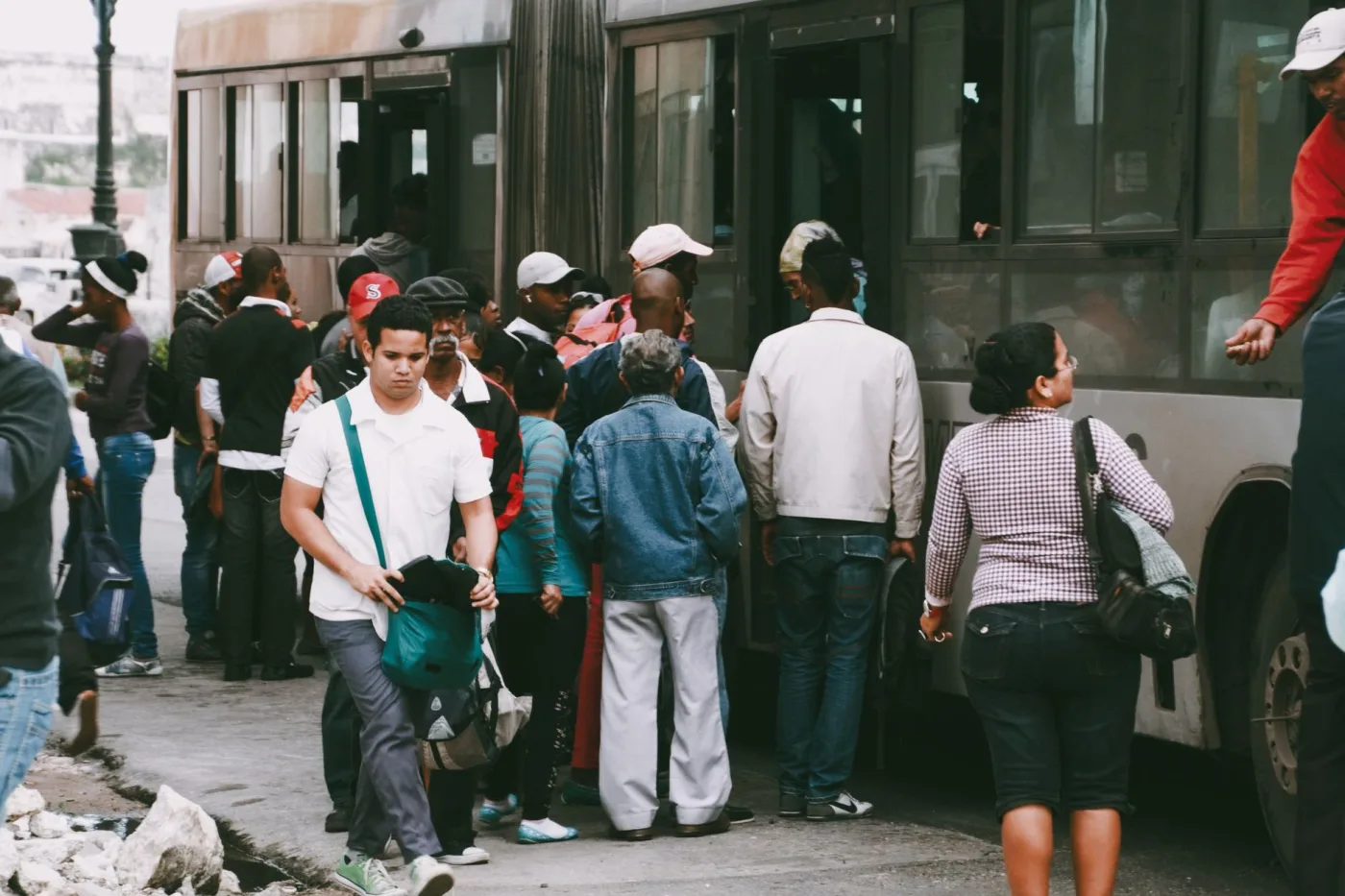
Why Passenger Wait Times Matter in Urban Mobility
In bustling cities like Douala and Yaoundé, every minute counts. For passengers relying on shared mobility, long wait times are more than an inconvenience—they affect daily schedules, productivity, and overall satisfaction. For fleet operators, reducing wait times is a key operational goal that directly influences ridership and revenue. This is where real-time driver coordination becomes a game-changer.
MboaFleet, as a platform dedicated to operational mobility in Cameroon, understands that efficient coordination is not just about technology—it's about creating a seamless experience for both drivers and passengers. By leveraging real-time data, we can significantly cut down the time passengers spend waiting, while also improving the overall efficiency of the fleet.
The Challenge of Traditional Fleet Coordination
Without real-time coordination, fleet operations often rely on static schedules and manual dispatch. This approach has several limitations:
- Lack of visibility: Dispatchers have limited knowledge of vehicle locations, leading to inefficient routing.
- Delayed response: When a passenger requests a ride, the nearest available vehicle may not be identified quickly, resulting in longer wait times.
- Poor demand forecasting: Without real-time data, it's hard to anticipate peak demand periods, leaving passengers stranded during rush hours.
- Inefficient resource allocation: Vehicles may be concentrated in low-demand areas, while high-demand zones remain underserved.
These challenges are amplified in Cameroon's urban centers, where traffic congestion and road conditions add another layer of complexity. Traditional methods simply cannot keep up with the dynamic nature of urban mobility.
What Is Real-Time Driver Coordination?
Real-time driver coordination involves using GPS tracking, mobile communication, and data analytics to manage fleet movements instantly. It enables dispatchers to know exactly where each vehicle is, its current status, and its estimated time of arrival (ETA) for any given location. This information allows for proactive decision-making, such as rerouting vehicles to high-demand areas or adjusting schedules on the fly.
At MboaFleet, real-time coordination is integrated into our operational framework. It supports our partners by ensuring that vehicles are used efficiently, reducing idle time, and improving the reliability of service. This is not about making promises—it's about using data to make better operational choices.
How Real-Time Coordination Reduces Wait Times
1. Optimized Dispatch
With real-time location data, dispatchers can instantly identify the nearest available vehicle to a passenger's location. This minimizes the distance the vehicle must travel to pick up the passenger, directly reducing wait times. Instead of sending a car from across town, the system assigns the closest one, saving precious minutes.
2. Dynamic Routing
Real-time traffic data allows dispatchers to reroute vehicles around congestion, accidents, or road closures. This ensures that even if a vehicle is a bit farther away, it can still arrive quickly by taking the most efficient path. In cities like Douala, where traffic jams are common, dynamic routing is essential for keeping wait times low.
3. Demand Prediction
By analyzing historical and real-time data, the platform can predict when and where demand will spike. For example, during morning rush hours or after major events, the system can pre-position vehicles in high-demand areas. This proactive approach means that when a passenger requests a ride, a vehicle is already nearby, cutting wait times dramatically.
4. Improved Driver Accountability
Real-time monitoring also holds drivers accountable for their schedules and routes. If a driver is deviating from the assigned path or taking unnecessary breaks, the system flags it, allowing supervisors to intervene. This keeps drivers on task, ensuring they are where they need to be, when they need to be there.
5. Better Communication
Real-time coordination facilitates direct communication between dispatchers and drivers via mobile apps. This allows for instant updates on passenger requests, changes in routing, or special instructions. Clear and immediate communication reduces misunderstandings and delays, further enhancing the passenger experience.
The Role of Maintenance and Driver Monitoring
Real-time coordination is not just about location—it also involves monitoring the health of the vehicle and the behavior of the driver. Regular maintenance checks, facilitated by the platform, ensure that vehicles are less likely to break down, which could otherwise cause significant delays. Driver monitoring, on the other hand, promotes safe and efficient driving habits, which reduce fuel consumption and wear and tear, keeping the fleet operational and on time.
At MboaFleet, we emphasize the importance of maintenance as a core operational activity. A well-maintained vehicle is a reliable vehicle, and reliability is key to reducing wait times. Similarly, driver monitoring helps identify training needs or operational issues early, preventing minor problems from becoming major disruptions.
Practical Steps for Implementing Real-Time Coordination
For fleet operators looking to adopt real-time coordination, here are some practical steps:
- Invest in GPS tracking: Equip all vehicles with reliable GPS devices to enable accurate location tracking.
- Use a centralized dispatch system: Implement software that aggregates data from all vehicles and provides a dashboard for dispatchers.
- Train dispatchers and drivers: Ensure that all team members are comfortable with the technology and understand how to use it effectively.
- Set clear protocols: Define standard operating procedures for responding to passenger requests, handling emergencies, and reporting incidents.
- Analyze data regularly: Review performance metrics such as average wait time, dispatch response time, and route efficiency to identify areas for improvement.
By following these steps, operators can create a more responsive and efficient service that meets the needs of passengers in Cameroon's dynamic urban environments.
The MboaFleet Approach to Reporting and Transparency
Transparency is at the heart of MboaFleet's operations. Our platform provides detailed reports on fleet performance, including wait times, vehicle utilization, and driver punctuality. These reports are shared with partners, giving them a clear view of how the fleet is operating. This transparency builds trust and allows for data-driven decisions that benefit everyone involved.
Reporting also helps identify trends and patterns, such as which routes have the highest demand or which times of day have the longest wait times. Armed with this information, operators can adjust their strategies to continuously improve service.
Conclusion: A Smarter Way to Move
Real-time driver coordination is not just a luxury—it's a necessity for modern urban mobility. By leveraging technology to optimize dispatch, routing, and communication, fleet operators can significantly reduce passenger wait times, improve customer satisfaction, and enhance overall operational efficiency.
At MboaFleet, we are committed to empowering our partners with the tools and insights needed to run successful mobility operations. Our platform is designed to make real-time coordination accessible and effective, even in the challenging conditions of Cameroon's cities.
If you're interested in learning more about how the MboaFleet model works and how it can benefit your mobility project, we invite you to explore our platform and see the difference that operational excellence can make.
Disclaimer: This content is for informational purposes only and does not constitute an investment offer or financial advice. The performance of any mobility operation depends on real operational factors, including vehicle condition, driver discipline, maintenance, demand, costs, availability, and reporting.