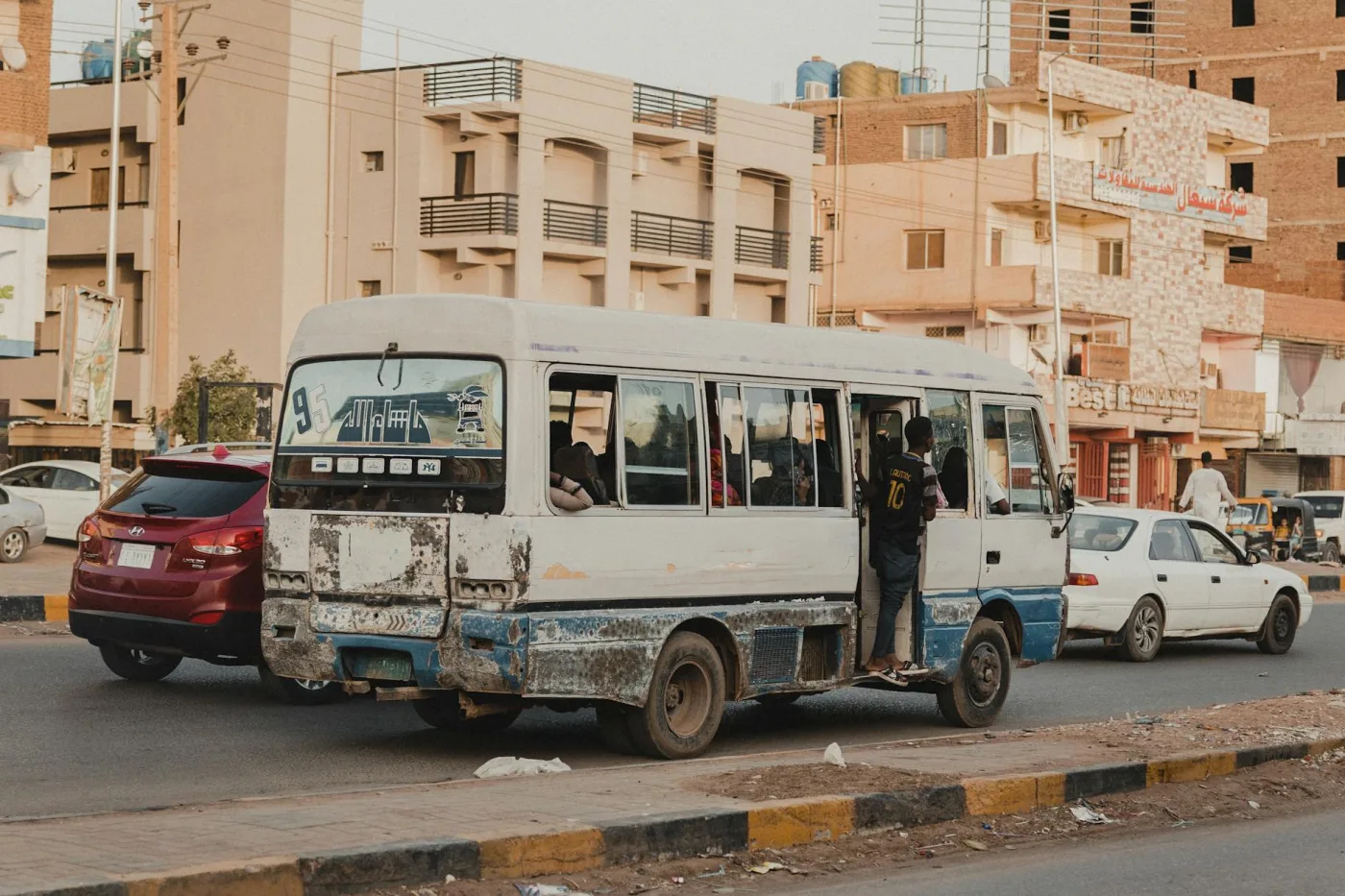
Shared Mobility: A New Era for Douala's Urban Transport
Douala, Cameroon’s economic capital, faces daily challenges in urban transport: traffic congestion, aging vehicles, unreliable schedules, and limited access to modern mobility solutions. Shared mobility—where multiple users access vehicles through organized operations—offers a practical path forward. MboaFleet’s platform enables partners to contribute to income-generating vehicles, focusing on real-world fleet operations rather than financial products.
The State of Urban Mobility in Douala
With over 3 million residents and rapid urbanization, Douala’s roads are under constant pressure. Informal transport dominates, often leading to safety concerns, environmental impact, and inefficiency. Shared mobility introduces structured fleet management, where vehicles are maintained, monitored, and deployed based on demand. This approach reduces empty trips and improves service reliability.
How Shared Mobility Works in Practice
Shared mobility relies on operational discipline. Vehicles are part of a fleet managed by MboaFleet, which coordinates driver schedules, maintenance, and reporting. Partners contribute to a mobility project, not a financial scheme. Revenue from vehicle operations is variable and depends on factors like:
- Vehicle condition and maintenance frequency
- Driver discipline and adherence to routes
- Local demand fluctuations
- Fuel costs and availability
- Operational reporting accuracy
This transparency ensures that every partner understands the real activity behind their contribution.
Operational Benefits for Douala’s Transport Ecosystem
Reduced Congestion Through Efficient Fleet Operations
By organizing vehicles into a shared fleet, MboaFleet helps reduce the number of underutilized cars on Douala’s roads. Optimized routing and driver monitoring minimize idle time and empty kilometers. This not only lowers operational costs but also cuts emissions—a critical need in a city where air quality is a growing concern.
Improved Maintenance and Vehicle Longevity
Regular maintenance is a cornerstone of shared mobility. MboaFleet schedules inspections, tire rotations, oil changes, and brake checks based on usage data. This proactive approach prevents breakdowns and extends vehicle life. Partners benefit from knowing their vehicles are professionally managed, without needing to oversee daily upkeep themselves.
Driver Monitoring for Safety and Reliability
Driver behavior directly impacts operational performance. Through telematics and reporting, MboaFleet tracks speed, idle time, route adherence, and fuel consumption. This data helps coach drivers toward safer, more efficient habits. In Douala, where road safety is a priority, professional driver monitoring is a significant upgrade over informal transport models.
Transparency and Reporting: The Backbone of Trust
Real-Time Data for Informed Decisions
Shared mobility thrives on transparency. MboaFleet provides partners with regular reports on vehicle usage, maintenance costs, driver performance, and revenue from operations. This information empowers partners to understand how their contribution supports real-world activity. There are no hidden fees or guaranteed returns—only clear, operational data.
Practical Advice for Partners
If you are considering participating in a shared mobility project, keep these points in mind:
- Understand that revenue is variable and depends on operational factors like demand and vehicle condition.
- Review maintenance reports to see how proactive care reduces long-term costs.
- Ask about driver training and monitoring processes to ensure safety.
- Stay informed about local market conditions in Douala that affect vehicle usage.
Environmental and Social Impact
Shared mobility also supports sustainability. Fewer private cars on Douala’s roads mean lower congestion and reduced fuel consumption. Fleet operations can integrate fuel-efficient vehicles and promote carpooling. Socially, organized transport improves access to jobs, education, and healthcare for residents who rely on affordable mobility.
Challenges and Realistic Expectations
No system is perfect. Shared mobility in Douala faces hurdles such as infrastructure gaps, fuel price volatility, and regulatory changes. MboaFleet addresses these through adaptive operations and continuous reporting. Partners should view their contribution as part of a dynamic, real-world activity—not a passive income source.
Conclusion: Understanding the MboaFleet Model
Shared mobility is transforming urban transport in Douala by replacing fragmented, informal services with organized, transparent fleet operations. MboaFleet enables partners to contribute to income-generating vehicles while emphasizing operational performance, maintenance, driver monitoring, and reporting. This model prioritizes real activity over financial abstraction.
We invite you to explore how MboaFleet’s approach to shared mobility can align with your interest in practical, operational participation. Contact us to learn more about our fleet operations and how you can become a partner in Douala’s transport evolution.
Disclaimer: This content is for informational purposes only and does not constitute an investment offer or financial advice. Shared mobility involves operational risks, and revenue depends on real-world factors.