Introduction: The Challenge of Urban Route Coordination
In the bustling cities of Cameroon—Douala, Yaoundé, Bafoussam—urban mobility is a lifeline. But for fleet operators, coordinating drivers efficiently on urban routes is a daily puzzle. Traffic congestion, unpredictable demand, road conditions, and driver behavior all affect performance. Effective coordination is not just about dispatching vehicles; it's about creating a system that balances operational efficiency, driver satisfaction, and service reliability. This article explores practical strategies to improve driver coordination on urban routes, with a focus on the Cameroonian context.
Why Coordination Matters for Urban Fleets
Urban routes are complex. They involve frequent stops, short trips, and varying passenger loads. Without clear coordination, you risk: idle vehicles, wasted fuel, driver fatigue, and missed revenue opportunities. For a mobility platform like MboaFleet, which organizes partner participation around income-generating vehicles, efficient coordination directly impacts operational performance. When drivers are well-coordinated, vehicles are utilized better, maintenance schedules are respected, and reporting becomes more accurate. This is not about promising outcomes—it's about creating the conditions for reliable, real-world activity.
Key Strategies for Efficient Driver Coordination
1. Route Planning and Optimization
Start with data. Analyze historical traffic patterns, peak hours, and popular destinations. In cities like Douala, the Wouri Bridge can be a bottleneck; in Yaoundé, the hilly terrain affects fuel consumption. Use GPS tracking and route history to identify efficient paths. But remember: routes must be flexible. Urban conditions change—roadworks, accidents, market days. Provide drivers with alternative routes and empower them to make real-time decisions based on their knowledge of the city.
2. Clear Communication Protocols
Communication is the backbone of coordination. Establish clear channels—whether via mobile apps, radio, or phone. Define protocols for: shift start and end, unexpected delays, vehicle breakdowns, and passenger issues. In Cameroon, where network coverage can be inconsistent, have offline fallbacks. Regular briefings and debriefings help align drivers with daily objectives. A driver who knows exactly what is expected is more likely to perform efficiently.
3. Real-Time Monitoring and Support
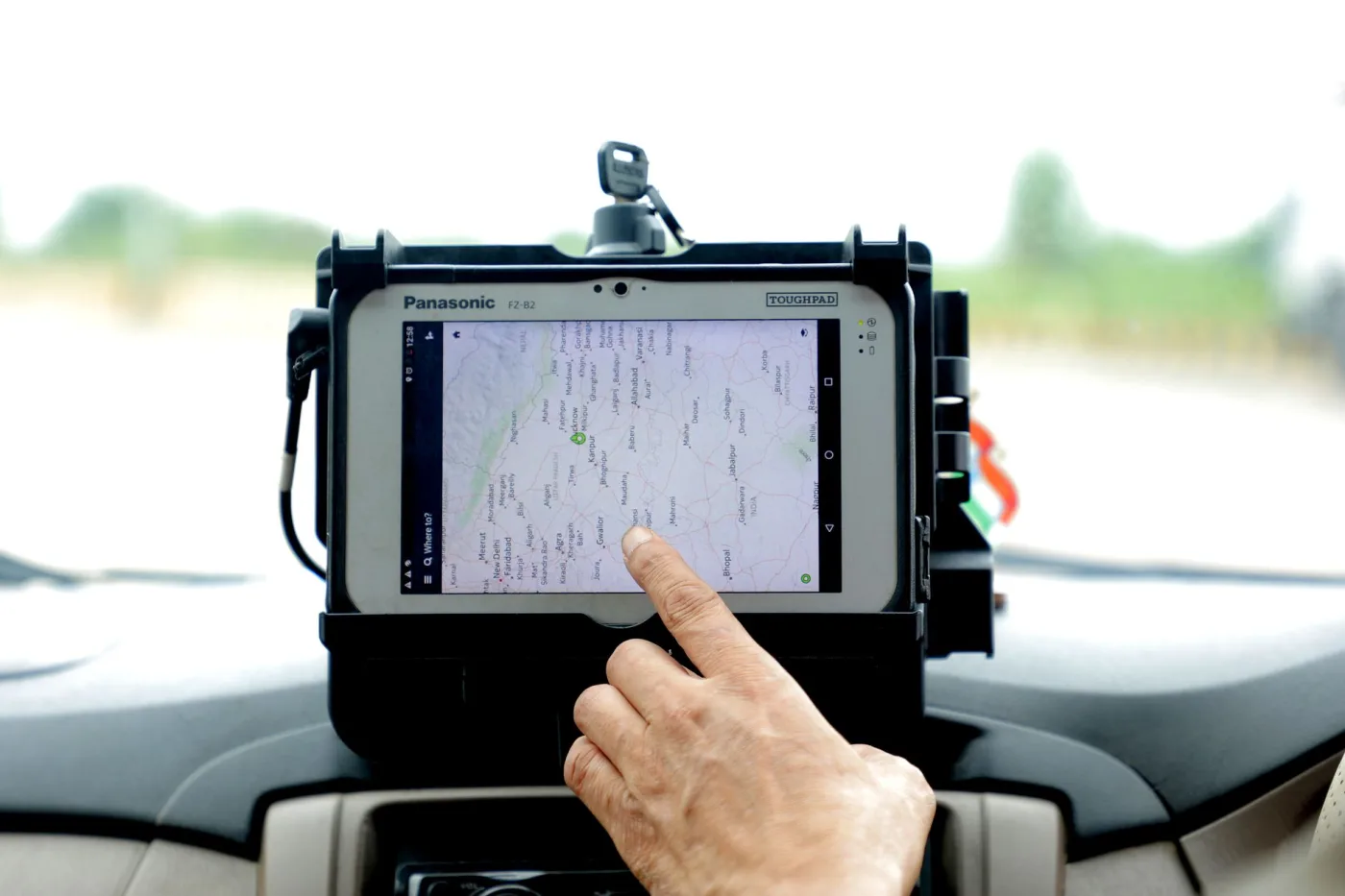
Monitoring is not about surveillance—it's about support. Use GPS and telematics to track vehicle location, speed, and idle time. This data helps you identify bottlenecks and provide real-time assistance. For example, if a driver is stuck in traffic, you can suggest an alternative route. If a vehicle is idling excessively, you can remind the driver to switch off the engine to save fuel. Monitoring also aids in safety: you can detect harsh braking or speeding and address it through training.
4. Driver Scheduling and Shift Management
Urban demand has peaks and lulls. Align driver shifts with demand patterns. In the morning, there's a rush to offices; in the evening, people head home. Consider split shifts to cover peak hours without overworking drivers. Use a scheduling system that considers driver preferences and rest requirements. A well-rested driver is more alert and efficient. Also, ensure fair rotation of routes—no one wants the worst route every day. This fosters a sense of equity and keeps morale high.
5. Vehicle Maintenance Integration
Coordination isn't just about drivers—it's about vehicles. A breakdown in the middle of a route disrupts everything. Integrate maintenance schedules into your coordination plan. Each vehicle should have a service log. Schedule preventive maintenance during off-peak hours to minimize downtime. Train drivers to do basic pre-trip inspections: tire pressure, fluid levels, brakes. A small issue caught early can prevent a major delay. Remember: a well-maintained vehicle is more reliable and efficient.
6. Performance Metrics and Reporting
What gets measured gets managed. Define key performance indicators (KPIs) such as trips per day, average wait time, fuel consumption, and customer complaints. Use a reporting system to track these metrics daily, weekly, and monthly. Share reports with drivers—transparency builds trust. For example, if a driver sees that their fuel consumption is higher than average, they can adjust their driving style. Reporting also helps you identify systemic issues, like a particular route that consistently causes delays.
7. Driver Training and Engagement
Your drivers are your frontline. Invest in their training: defensive driving, customer service, and efficient route navigation. In Cameroon, local knowledge is invaluable—a driver who knows the shortcuts and the traffic patterns is an asset. Engage drivers in decision-making. Ask for their feedback on routes and schedules. When drivers feel valued, they are more committed to operational excellence. Also, recognize good performance—whether through incentives or public acknowledgment—to motivate consistent effort.
8. Use of Technology and Apps
Leverage technology to simplify coordination. Mobile apps can provide drivers with real-time navigation, job assignments, and reporting tools. For fleet managers, dashboards offer a bird's-eye view of operations. However, technology must be adapted to local realities. In Cameroon, ensure that apps work on low bandwidth and are user-friendly. Also, consider data costs—drivers may need a data allowance to use the app effectively. Technology should be an enabler, not a barrier.
Adapting to Cameroonian Urban Realities
Every city has its quirks. In Douala, the rainy season can make some roads impassable. In Yaoundé, the steep hills challenge older vehicles. In Bafoussam, the central market creates congestion at certain hours. Effective coordination means anticipating these factors. Build flexibility into your plans. For example, during the rainy season, schedule longer travel times. Have contingency plans for vehicle breakdowns in flood-prone areas. Local knowledge is a competitive advantage—use it.
The Role of Transparency and Reporting
Transparency is crucial for any operation involving partners. At MboaFleet, we emphasize clear reporting because it builds trust. Share operational reports with partners—showing vehicle utilization, maintenance costs, and driver performance. This is not about financial promises; it's about showing the real-world activity behind the numbers. When partners see that the fleet is well-coordinated and maintained, they understand the operational value. Reporting also helps you make data-driven decisions to improve efficiency over time.
Practical Tips for Immediate Implementation
- Start each day with a brief driver meeting to set expectations and share route updates.
- Use a simple logbook or digital app to record trip start and end times, fuel purchases, and any incidents.
- Designate a coordinator who is reachable during operating hours to handle emergencies.
- Implement a weekly maintenance checklist for each vehicle, reviewed by the fleet manager.
- Collect customer feedback to identify service gaps and adjust routes accordingly.
- Review performance data monthly and discuss results with drivers to foster continuous improvement.
Conclusion: Building a Reliable Urban Mobility Operation
Efficient driver coordination on urban routes is not a one-time fix—it's an ongoing process. It requires planning, communication, monitoring, and a commitment to continuous improvement. By implementing these strategies, you can enhance operational performance, reduce costs, and improve service reliability. For a platform like MboaFleet, which is built on real-world activity and partner participation, this operational excellence is essential. We invite you to explore how the MboaFleet model works—understand the operational side, the maintenance discipline, and the reporting transparency that make it a unique mobility project in Cameroon. This content is for informational purposes only and does not constitute an investment offer or financial advice. If you want to learn more about our approach to fleet operations and partner collaboration, we welcome you to reach out and discover the MboaFleet difference.