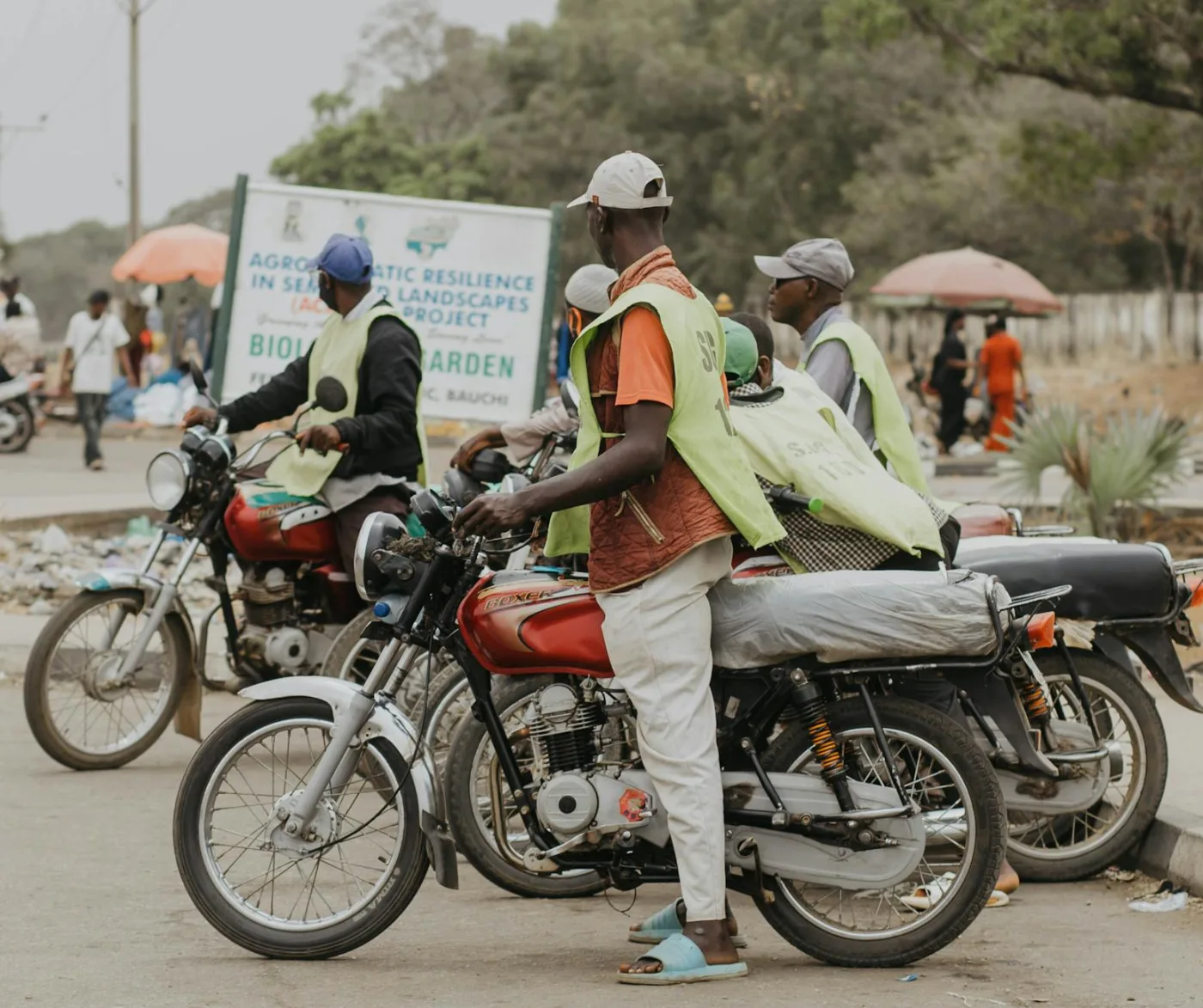
Introduction: The Role of Motorcycles in Urban Mobility
Urban centers in Cameroon, from Douala to Yaoundé, face increasing congestion and demand for flexible last-mile transportation. Motorcycles, with their ability to navigate narrow streets and bypass traffic, present a practical addition to urban fleet mobility solutions. For platforms like MboaFleet, integrating motorcycles into a broader fleet of income-generating vehicles can enhance operational reach, improve service reliability, and create opportunities for economic participation. This article explores how motorcycles can be effectively integrated into urban fleet operations, focusing on real-world activity, maintenance, driver monitoring, and transparent reporting.
Why Motorcycles for Urban Fleets?
Motorcycles are not just a mode of transport; they are a tool for operational efficiency. Their lower acquisition cost, fuel efficiency, and ease of maintenance make them attractive for dense urban environments. In Cameroon, where road infrastructure varies, motorcycles offer a nimble alternative to cars and minibuses. Key benefits include:
- Agility: Motorcycles can navigate traffic jams and unpaved roads, reducing travel time and increasing service frequency.
- Lower Operating Costs: Less fuel consumption and simpler maintenance reduce daily expenses, which can positively influence variable activity-based revenue.
- Scalability: Adding motorcycles to a fleet is often more affordable than adding cars, allowing for gradual expansion based on demand.
- Eco-Friendliness: Smaller engines produce fewer emissions, aligning with sustainable urban mobility goals.
These factors make motorcycles a valuable component of a diversified fleet, supporting consistent operational performance when managed properly.
Operational Considerations for Motorcycle Integration
Integrating motorcycles into an existing fleet requires careful planning. Unlike larger vehicles, motorcycles demand specific operational strategies to ensure safety, reliability, and profitability. The following areas are critical:
1. Vehicle Selection and Maintenance
Choosing the right motorcycle model is essential. Reliable, fuel-efficient models with readily available spare parts in Cameroon are preferable. Maintenance schedules must be rigorous: regular oil changes, tire checks, brake inspections, and chain lubrication. A well-maintained motorcycle reduces downtime and extends vehicle life. MboaFleet emphasizes proactive maintenance through partner reporting and scheduled service checks, ensuring each vehicle remains in optimal condition.
2. Driver Monitoring and Training
Motorcycle drivers require specific skills. Beyond a valid license, drivers should be trained on defensive riding, load management, and local traffic laws. Monitoring driver behavior—such as speed, route adherence, and accident history—is vital for fleet safety. Using simple reporting tools or logs, partners can track driver performance. MboaFleet’s operational model includes driver monitoring to encourage discipline and reduce risks.
3. Route Planning and Demand Analysis
Motorcycles excel on short-distance, high-frequency routes. Analyzing urban demand patterns—such as peak commuting hours, market areas, or medical facility proximity—helps optimize deployment. Real-time reporting can adjust routes based on weather, events, or road closures. This operational flexibility is a key advantage of motorcycle fleets.
Maintenance: The Backbone of Operational Performance
Maintenance is not an expense; it is an investment in reliability. For motorcycles, neglect leads to breakdowns, accidents, and revenue loss. A structured maintenance plan includes:
- Daily Checks: Tire pressure, lights, brakes, and fluid levels.
- Weekly Inspections: Chain tension, brake pads, and spark plugs.
- Monthly Servicing: Oil change, air filter cleaning, and suspension check.
- Quarterly Overhauls: Comprehensive inspection by a certified mechanic.
MboaFleet encourages partners to maintain detailed maintenance logs. Transparent reporting of service history helps anticipate issues and plan replacements. This operational discipline directly influences vehicle availability and, consequently, the variable activity-based revenue generated.
Driver Monitoring: Ensuring Safety and Efficiency
Driver behavior is a major factor in fleet performance. Effective monitoring includes:
- Daily Reporting: Drivers log mileage, fuel consumption, and any incidents.
- Performance Metrics: Track on-time deliveries, customer feedback, and accident rates.
- Incentives: Reward safe driving and consistent performance to encourage positive behavior.
In Cameroon, where road conditions vary, driver discipline reduces wear and tear and improves customer satisfaction. MboaFleet’s platform provides tools for partners to monitor driver activity, ensuring transparency and accountability.
Reporting and Transparency: The Key to Sustainable Operations
Transparent reporting is essential for any mobility project. It allows partners to understand operational performance and make informed decisions. Key reports include:
- Daily Activity Logs: Trips completed, revenue collected, expenses incurred.
- Maintenance History: Services performed, parts replaced, costs.
- Driver Performance: Hours worked, incidents, customer ratings.
- Financial Summaries: Net operational surplus after costs.
MboaFleet’s reporting system ensures that all data is accessible and verifiable. This transparency builds trust among partners and supports long-term collaboration. Remember, operational performance depends on real factors—vehicle condition, driver discipline, maintenance, demand, costs, availability—and reporting helps manage these variables.
Practical Advice for Partners Considering Motorcycle Integration
If you are exploring adding motorcycles to your fleet, consider these steps:
- Start Small: Begin with one or two motorcycles to test routes and demand.
- Invest in Quality: Choose durable models with local service support.
- Train Thoroughly: Ensure drivers understand safety and reporting protocols.
- Monitor Closely: Use daily logs to track performance and identify issues early.
- Maintain Regularly: Stick to a preventive maintenance schedule.
By focusing on these operational fundamentals, partners can contribute to a reliable fleet that serves urban mobility needs effectively.
Conclusion: A Practical Path Forward
Integrating motorcycles into urban fleet mobility solutions offers a practical way to address congestion and last-mile challenges in Cameroon. With proper maintenance, driver monitoring, and transparent reporting, motorcycles can be a valuable part of a diversified fleet. MboaFleet’s operational model supports partners in managing these vehicles through real-world activity and data-driven decisions. The performance of any mobility project depends on operational factors—not promises. We invite you to learn more about how MboaFleet organizes economic participation around income-generating vehicles, always with a focus on transparency and operational excellence.
Disclaimer: This content is for informational purposes only and does not constitute an investment offer or financial advice. Operational performance depends on real factors such as vehicle condition, driver discipline, maintenance, demand, costs, availability, and reporting. Results are variable and not guaranteed.