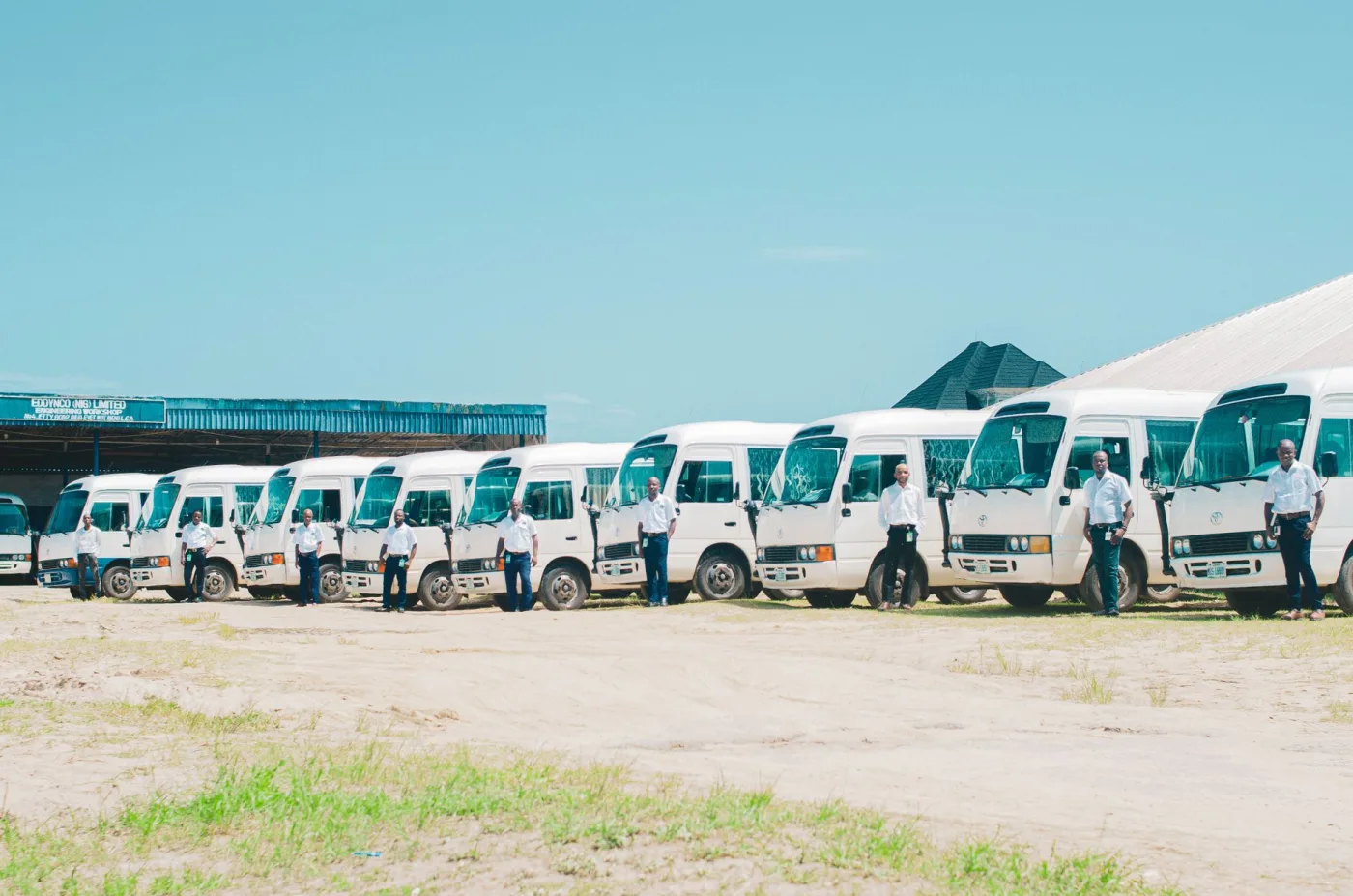
Introduction: The Challenge of Urban Fleet Operations in Cameroon
Urban mobility in Cameroon’s growing cities—Douala, Yaoundé, and beyond—presents unique challenges: traffic congestion, unpredictable road conditions, and high operational costs. For fleet operators managing multiple income-generating vehicles, efficient route planning is not just a convenience—it is a necessity. It directly impacts vehicle availability, fuel consumption, driver hours, and overall operational performance. At MboaFleet, we believe that transparent, data-driven operations help partners make informed decisions about their mobility projects. This article provides practical, educational guidance on optimizing route planning to enhance fleet efficiency, without promising fixed outcomes—because real-world activity depends on many factors.
Why Route Planning Matters for Fleet Efficiency
Route planning is the process of determining the most effective paths for vehicles to complete their daily tasks—whether transporting passengers, delivering goods, or serving multiple stops. In urban environments, poor route planning leads to wasted time, excess fuel use, increased wear and tear, and driver fatigue. For a fleet that relies on variable activity-based revenue, these inefficiencies directly reduce the economic participation available to partners. By optimizing routes, operators can improve vehicle utilization, reduce downtime, and extend vehicle lifespan through better maintenance schedules.
Key Benefits of Optimized Route Planning
- Reduced fuel costs: Shorter, traffic-aware routes lower fuel consumption, a major operational expense.
- Improved driver productivity: Drivers complete more trips per shift, increasing income-generating potential.
- Better vehicle maintenance: Less idling and smoother routes reduce engine strain, lowering repair frequency.
- Enhanced reporting accuracy: Consistent routes make it easier to track performance and identify issues.
Practical Strategies for Route Optimization
Optimizing routes requires a combination of technology, driver training, and continuous monitoring. Below are actionable steps for fleet operators in Cameroon.
1. Leverage Real-Time Traffic Data
Use GPS-enabled fleet management systems that provide live traffic updates. In cities like Douala, where congestion peaks during morning and evening hours, dynamic rerouting can save 15-30 minutes per trip. MboaFleet’s operational platform includes monitoring tools that help partners track vehicle positions and adjust routes on the fly. This transparency allows for better decision-making, though performance depends on actual road conditions and driver adherence.
2. Analyze Historical Trip Data
Review past trip logs to identify patterns: frequent delays, high-traffic zones, or underutilized stops. Use this data to plan fixed routes that avoid known bottlenecks. For example, a fleet serving Yaoundé’s central market might schedule deliveries before 8 a.m. to bypass peak traffic. Regular reporting on operational metrics—like average trip time and fuel usage—helps refine these plans over time.
3. Implement Driver Monitoring and Training
Driver behavior is a critical factor in route efficiency. Monitor speed, idling, and adherence to planned routes. Provide feedback and training on defensive driving and time management. Incentivize drivers who consistently follow optimized routes, as their discipline directly affects vehicle condition and operational costs. MboaFleet’s driver monitoring features enable partners to observe these behaviors remotely, supporting better collaboration.
4. Schedule Maintenance Around Route Patterns
Route planning and maintenance are interconnected. Vehicles on longer, rougher routes require more frequent checks. Create a maintenance calendar based on mileage and route difficulty. For instance, a vehicle operating in rural areas near Cameroon’s border may need tire and suspension inspections every two weeks, while city-only vehicles can stretch to monthly. Proactive maintenance prevents breakdowns that disrupt route schedules and reduce vehicle availability.
5. Use Multi-Stop Optimization Tools
For fleets with multiple pickups or deliveries, use software that sequences stops in the most efficient order. This reduces backtracking and total driving time. Even simple manual planning—grouping stops by geographic proximity—can yield improvements. The goal is to maximize the number of income-generating trips per day while minimizing empty miles.
Addressing Cameroon-Specific Challenges
Urban fleet operations in Cameroon face distinct hurdles: unpaved roads, informal traffic rules, and varying fuel quality. Route planning must account for these realities. For example, avoid roads that become impassable during the rainy season, or plan alternative routes for market days when streets are crowded. Collaborate with local drivers who know the terrain—their insights are invaluable. MboaFleet’s reporting tools help document these factors, creating a knowledge base that improves over time.
The Role of Transparency and Reporting
Effective route optimization relies on accurate, transparent data. Regular reports on fuel consumption, trip duration, and maintenance costs allow partners to evaluate the operational performance of their vehicles. Without this visibility, inefficiencies go unnoticed. MboaFleet provides dashboards that summarize key metrics, empowering partners to make adjustments. Remember, outcomes are variable and depend on real operational factors—no system eliminates all risks, but informed planning reduces them.
Common Pitfalls to Avoid
- Over-optimization: Rigid routes that don’t adapt to unexpected events (e.g., road closures) can backfire. Build in flexibility.
- Ignoring driver input: Drivers often know shortcuts or hazards that maps miss. Regular feedback loops improve planning.
- Neglecting maintenance: A well-planned route is useless if the vehicle breaks down. Integrate maintenance checks into route schedules.
- Lack of data review: Without analyzing reports, you cannot measure improvement. Set aside weekly time to review fleet metrics.
Conclusion: Building a More Efficient Fleet
Optimizing route planning is an ongoing process that requires attention to detail, technology, and collaboration. For partners involved in mobility projects through MboaFleet, these strategies help improve vehicle utilization, reduce costs, and support sustainable operations. While no approach guarantees specific outcomes—since performance is shaped by vehicle condition, driver discipline, demand, and external factors—consistent effort yields meaningful improvements over time.
We invite you to explore how MboaFleet’s platform supports transparent fleet operations, driver monitoring, and comprehensive reporting. Understanding the operational realities of urban mobility in Cameroon is the first step toward making informed contributions. Visit our website to learn more about the MboaFleet model and how real-world activity drives economic participation.
Disclaimer: This content is for informational purposes only and does not constitute an investment offer or financial advice. All operational outcomes depend on real-world factors such as vehicle condition, driver behavior, maintenance, demand, and costs.