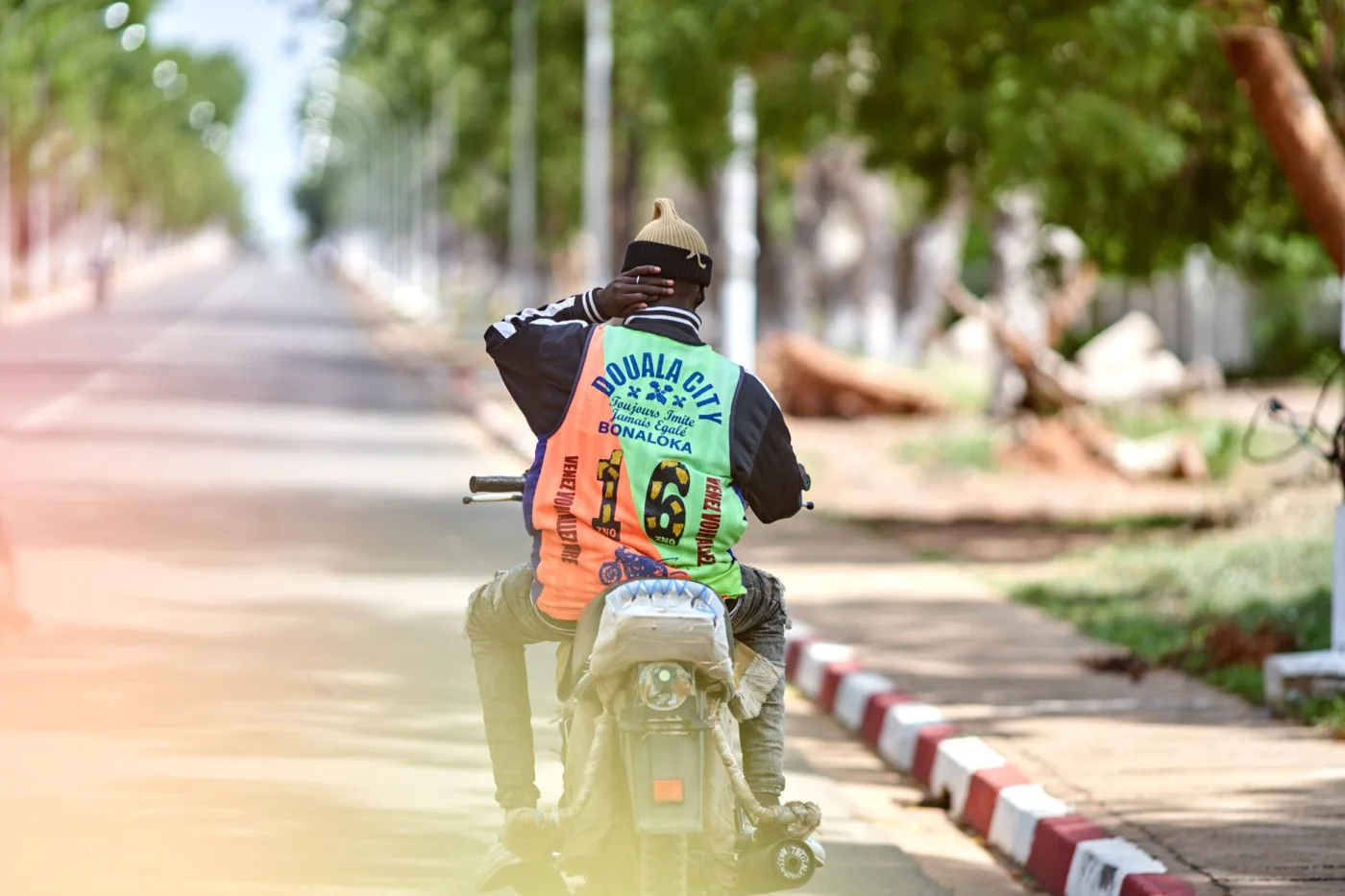
Introduction: The Challenge of Urban Mobility in Douala and Yaoundé
Douala and Yaoundé, the economic and political hubs of Cameroon, face significant urban mobility challenges. Rapid urbanization, increasing vehicle density, and limited road infrastructure contribute to chronic congestion. For fleet operators and mobility partners, every minute lost in traffic translates into reduced operational performance, higher fuel consumption, and increased wear on vehicles. This guide provides practical, actionable strategies to optimize urban routes in these cities, helping you reduce travel time and improve the efficiency of your income-generating vehicles.
At MboaFleet, we believe that real-world operational factors—vehicle condition, driver discipline, maintenance schedules, and demand patterns—determine the success of any mobility project. By focusing on route optimization, you can enhance your fleet’s daily performance and contribute to a more fluid urban transport ecosystem.
Understanding Traffic Patterns in Douala and Yaoundé
Douala: The Economic Engine with Heavy Traffic
Douala, as the main port city, experiences intense traffic during peak hours (7:00–9:00 AM and 4:00–7:00 PM). Key corridors like the Bonanjo-Bonabéri axis, the Douala-Yaoundé highway entry points, and the Akwa-Bonapriso areas are notorious for bottlenecks. Understanding these patterns is the first step to route optimization.
Yaoundé: Hilly Terrain and Congestion Points
Yaoundé’s hilly topography and central market areas (Mfoundi, Mokolo, and the administrative quarter) create unique congestion challenges. Rainy seasons further slow traffic due to poor drainage and road conditions. Fleet operators must account for seasonal and daily variability.
Practical tip: Use historical traffic data from local sources or GPS tracking to identify recurring congestion points. MboaFleet’s reporting tools can help you analyze driver routes and identify patterns.
Practical Strategies for Route Optimization
1. Leverage Real-Time Traffic Data
Modern navigation apps like Google Maps, Waze, or local solutions provide real-time traffic updates. Equip your drivers with smartphones or in-vehicle devices that display live traffic conditions. Encourage them to avoid peak-hour bottlenecks by taking alternative routes—even if they are slightly longer in distance, they may be faster in time.
For fleet operators, integrating GPS tracking with real-time data allows you to dynamically reroute vehicles based on current congestion. This reduces idle time and improves overall fleet efficiency.
2. Plan Routes Around Demand and Time Windows
In Douala and Yaoundé, demand for mobility varies by time of day and location. For example, morning demand is high near residential areas (like Bonamoussadi in Douala or Nkolbisson in Yaoundé), while afternoon demand shifts to commercial zones. Align your routes with these demand patterns to maximize vehicle utilization.
Practical tip: Create fixed route schedules for high-demand periods and flexible routes for off-peak hours. This balances driver workload and reduces empty miles.
3. Implement Driver Discipline and Training
Driver behavior directly impacts travel time. Aggressive driving, frequent lane changes, and unnecessary stops increase fuel consumption and delay arrival times. Train your drivers on defensive driving, route adherence, and efficient acceleration and braking. MboaFleet’s driver monitoring system can track behaviors like speeding, harsh braking, and idling, providing data for coaching.
Real-world example: A partner in Douala reduced average trip time by 12% after a three-week training program focused on smooth driving and route adherence.
4. Prioritize Vehicle Maintenance
Well-maintained vehicles perform better in traffic. Regular checks on brakes, tires, engine performance, and air conditioning (critical in Cameroon’s heat) prevent breakdowns that cause delays. A breakdown in a congested area can double travel time for all vehicles behind it.
Create a maintenance schedule based on mileage and operating conditions. MboaFleet’s reporting tools help you track maintenance history and flag vehicles due for service.
5. Use Data-Driven Reporting to Optimize Over Time
Collect data on trip durations, fuel consumption, driver behavior, and route choices. Analyze this data weekly to identify underperforming routes or drivers. For instance, if a particular route consistently adds 20 minutes to trips, consider an alternative. MboaFleet’s platform provides transparent reporting on operational metrics, enabling continuous improvement.
Practical tip: Share route performance reports with your drivers. Incentivize those who consistently meet or beat time targets with non-monetary recognition (e.g., preferred schedules or additional support).
Overcoming Common Obstacles
Road Infrastructure and Weather
Cameroon’s roads vary widely in quality. Potholes, unpaved sections, and flooding during rains can disrupt even the best-planned routes. Always have backup routes mapped out. Encourage drivers to report road conditions via the MboaFleet app so you can update your route database.
Regulatory and Security Considerations
In some areas, traffic police checkpoints or security concerns may require detours. Stay informed about local regulations and security updates. Partner with local authorities or community groups to stay ahead of changes.
The Role of Technology in Route Optimization
Technology is a powerful ally. GPS tracking, telematics, and fleet management software (like MboaFleet’s platform) provide real-time visibility into vehicle location, speed, and route adherence. These tools enable you to:
- Monitor driver performance and provide feedback.
- Analyze historical data to identify best practices.
- Automate alerts for deviations or delays.
- Generate reports on operational efficiency for all partners.
By investing in technology, you turn raw data into actionable insights that reduce travel time and improve fleet profitability.
Conclusion: A Practical Path Forward
Optimizing urban routes in Douala and Yaoundé is not a one-time fix but a continuous process of observation, adjustment, and learning. By understanding traffic patterns, leveraging technology, training drivers, and maintaining vehicles, you can significantly reduce travel time and enhance the operational performance of your income-generating vehicles.
At MboaFleet, we support mobility partners with tools and processes that promote transparency, efficiency, and real-world results. Our focus is on the operational aspects of fleet management—driver monitoring, maintenance, and reporting—because we believe that sustainable performance comes from disciplined execution, not promises.
If you’re interested in learning more about how MboaFleet’s model can help you improve your fleet operations, we invite you to explore our platform. Together, we can build a more efficient urban mobility ecosystem in Cameroon.
Disclaimer: This content is for informational purposes only and does not constitute an investment offer or financial advice. The performance of any mobility project depends on real operational factors such as vehicle condition, driver discipline, maintenance, demand, costs, and availability. MboaFleet does not guarantee specific outcomes.