Introduction: The Cost of Unplanned Stops
In the bustling streets of Douala, Yaoundé, and other Cameroonian cities, every minute a vehicle spends off the road is a minute of lost operational opportunity. For fleet operators, unplanned breakdowns are not just inconvenient—they disrupt schedules, increase costs, and reduce the reliability of the entire mobility service. This is where preventive maintenance becomes a strategic pillar of fleet management.
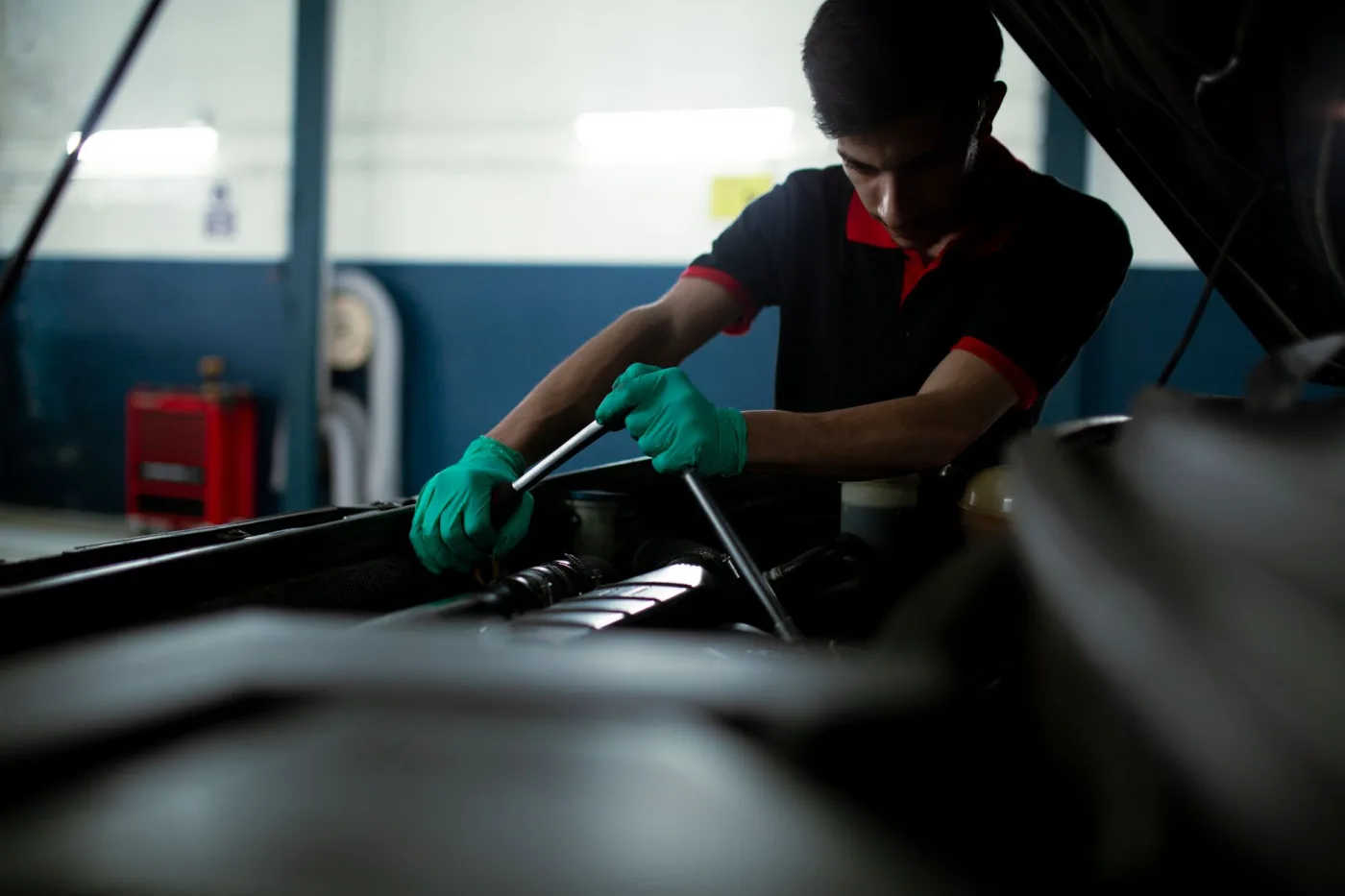
Preventive maintenance is the scheduled inspection, servicing, and replacement of vehicle components before they fail. Unlike reactive maintenance—fixing after a breakdown—preventive maintenance aims to keep vehicles in optimal condition, reduce unplanned stops, and extend the useful life of the fleet. In this guide, we will explore practical steps to implement a preventive maintenance program tailored to the Cameroonian context, and how MboaFleet integrates these practices into its operations.
Why Preventive Maintenance Matters in Cameroon
Cameroon's urban mobility landscape is dynamic and demanding. Roads vary from well-paved highways to unpaved and often challenging terrain. The tropical climate—with its intense heat and heavy rains—can accelerate wear and tear on vehicles. For mobility platforms like MboaFleet, which rely on real-world vehicle activity, keeping the fleet operational is essential to maintaining service continuity and partner satisfaction.
Unplanned stops can lead to:
- Loss of revenue during the downtime.
- Increased repair costs due to cascading damage.
- Dissatisfied passengers and reduced trust in the service.
- Higher safety risks for drivers and passengers.
Preventive maintenance addresses these issues by identifying potential problems early, ensuring that vehicles are safe, reliable, and ready for the road. It is a proactive approach that saves time, money, and stress in the long run.
Key Components of a Preventive Maintenance Plan
Implementing a successful preventive maintenance program requires a systematic approach. Here are the essential components to consider:
1. Regular Inspections and Service Intervals
Set a schedule for routine inspections based on mileage, time, or usage intensity. Common intervals include every 5,000 km or every month, whichever comes first. During these checks, focus on:
- Engine oil and filter changes.
- Brake pads, discs, and fluid levels.
- Tire condition, pressure, and tread depth.
- Battery health and electrical systems.
- Cooling system and radiator.
- Suspension and steering components.
- Lights, signals, and wipers.
In Cameroon, where road conditions can be harsh, paying extra attention to suspension and tires is crucial. A well-maintained vehicle is not only safer but also more fuel-efficient, reducing operating costs.
2. Driver Monitoring and Reporting
Drivers are the first line of defense in preventive maintenance. They interact with the vehicle daily and can notice subtle changes in performance. Encourage drivers to report any unusual sounds, vibrations, leaks, or warning lights immediately. MboaFleet's driver monitoring system facilitates this by allowing drivers to log issues in real-time, ensuring that no problem goes unnoticed.
Additionally, driver behavior directly impacts vehicle wear. Harsh braking, rapid acceleration, and over-speeding can accelerate component degradation. By monitoring driving patterns and providing feedback, fleet operators can promote smoother driving, which in turn reduces maintenance frequency and improves fuel economy.
3. Use of Quality Parts and Fluids
In Cameroon, the market for spare parts is vast, but quality varies. Using genuine or high-quality aftermarket parts is essential for long-term reliability. Cheap components may fail sooner, leading to more frequent breakdowns and higher overall costs. Similarly, use the recommended grade of engine oil and other fluids, as they are formulated to protect the engine under specific conditions.
4. Data-Driven Maintenance Scheduling
Modern fleet management relies on data. By tracking maintenance history, mileage, and repair costs, you can identify patterns and predict when certain components are likely to fail. This allows you to schedule replacements proactively, avoiding unexpected stops. MboaFleet's reporting tools provide transparent data on vehicle status, maintenance logs, and operational performance, enabling informed decisions.
Implementing Preventive Maintenance in Your Fleet
Here is a step-by-step approach to put a preventive maintenance plan into action:
Step 1: Create a Maintenance Checklist
Develop a comprehensive checklist that covers all critical components. Customize it based on the make, model, and usage of your vehicles. Share this checklist with drivers and maintenance staff to ensure consistency.
Step 2: Set a Schedule
Use mileage or time-based intervals. For high-usage vehicles, more frequent checks may be needed. For example, a vehicle used for 12 hours a day in urban traffic may require monthly inspections, while a less active vehicle can be checked quarterly.
Step 3: Train Drivers and Staff
Educate drivers on the importance of preventive maintenance and how to perform basic checks, such as tire pressure and fluid levels. Train maintenance staff on the specific requirements of your fleet. Empower them to report issues without fear of blame.
Step 4: Partner with Reliable Service Providers
Establish relationships with trusted garages and mechanics in Cameroon. Ensure they understand the importance of preventive maintenance and can provide quality service. Negotiate service contracts for routine maintenance to ensure priority and fair pricing.
Step 5: Monitor and Adjust
Regularly review maintenance data to assess the effectiveness of your program. Are breakdowns decreasing? Are costs within budget? Adjust your intervals and procedures as needed. Continuous improvement is key to long-term success.
The Role of MboaFleet in Preventive Maintenance
MboaFleet is an operational mobility platform that organizes partner participation around income-generating vehicles. While we do not offer financial products, we are deeply committed to the operational excellence of the vehicles in our ecosystem. Our platform provides tools for:
- Fleet operations management, including scheduling and dispatch.
- Driver monitoring to ensure safety and efficiency.
- Maintenance tracking with reminders and logs.
- Transparent reporting on vehicle performance and costs.
By integrating these features, MboaFleet helps partners and operators reduce unplanned stops, improve vehicle availability, and enhance the overall quality of urban mobility in Cameroon. Our approach is based on real-world activity—not on promises of returns—but on the disciplined management of operational factors.
Practical Tips for Reducing Fleet Stops
Here are some actionable tips you can apply immediately:
- Check tire pressure weekly – Under-inflated tires increase fuel consumption and wear, leading to blowouts.
- Change oil on time – Follow the manufacturer's recommendations and adjust for severe driving conditions.
- Monitor warning lights – Never ignore dashboard alerts; they are early indicators of problems.
- Inspect brakes regularly – Brakes are critical for safety, especially in congested cities.
- Keep a maintenance log – Record every service to track patterns and plan future work.
- Use telematics – If available, use GPS and diagnostic tools to monitor vehicle health in real time.
Conclusion: A Culture of Prevention
Preventive maintenance is not a one-time task but a culture. It requires commitment from fleet operators, drivers, and maintenance teams. In Cameroon, where mobility is vital to economic and social life, reducing fleet stops is more than a cost-saving measure—it is a way to ensure reliable, safe, and efficient transportation for all.
At MboaFleet, we believe that transparent operations and disciplined maintenance are the foundations of a sustainable mobility project. By sharing this practical guide, we hope to equip you with the knowledge to enhance your fleet's performance. We invite you to explore how the MboaFleet model works, and how our operational platform can support your mobility goals. Learn more about our approach and join us in building a more efficient urban mobility ecosystem in Cameroon.
Disclaimer: This content is for informational purposes only and does not constitute an investment offer or financial advice.