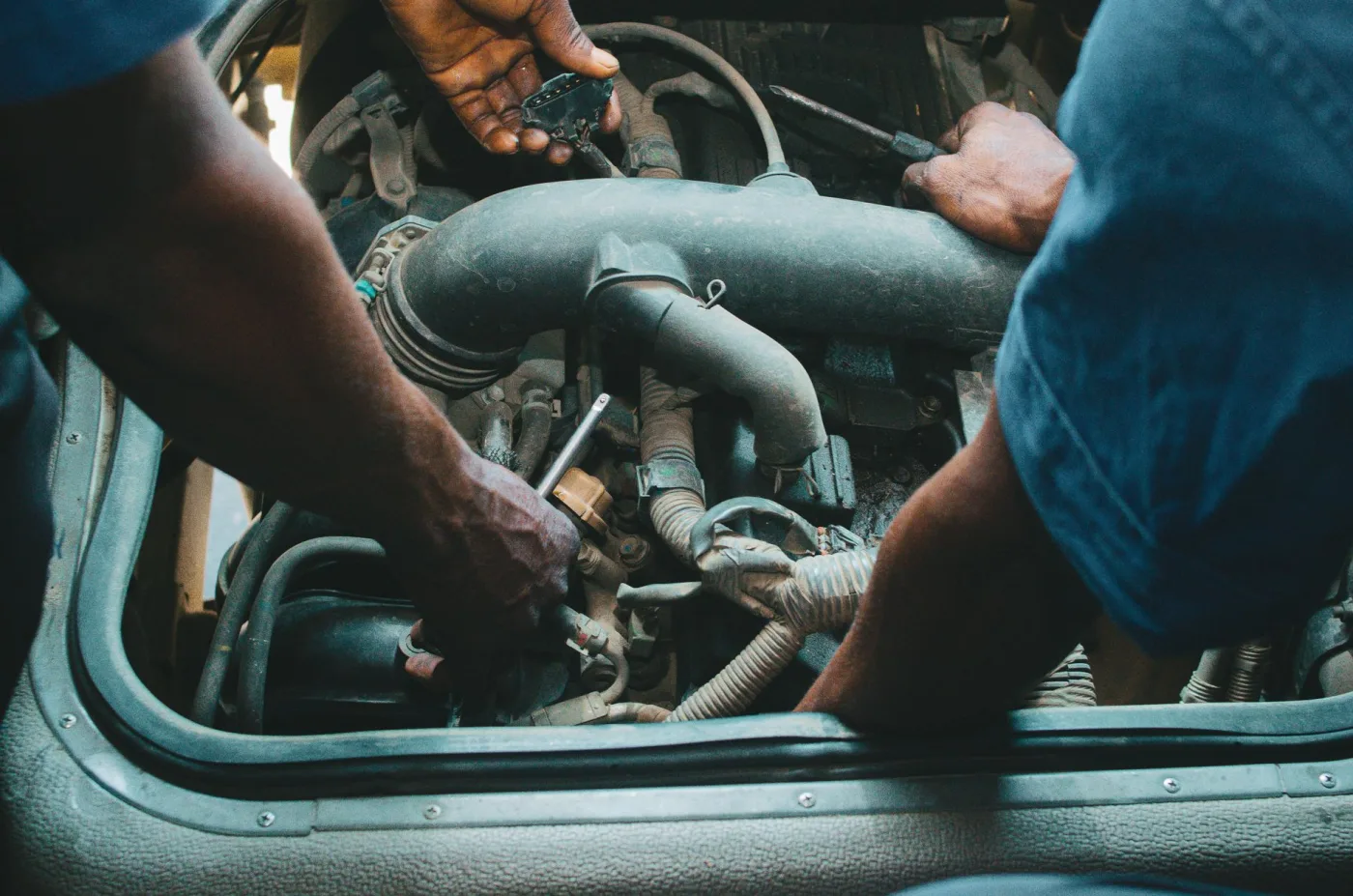
Why Preventive Maintenance Matters for Fleet Vehicles in Cameroon
In Cameroon’s dynamic urban and interurban mobility landscape, fleet vehicles face unique challenges: potholed roads, heavy traffic in cities like Douala and Yaoundé, variable weather, and high usage intensity. For any mobility operation—whether taxis, minibuses, or commercial vans—unplanned breakdowns directly affect availability, driver earnings, and partner trust. Preventive maintenance is not just about fixing what breaks; it is a systematic approach to keep vehicles in optimal condition, reduce operational costs, and support consistent revenue generation from real-world activity.
MboaFleet partners with vehicle owners and drivers to create income-generating mobility projects. The operational performance of each vehicle depends on real factors: vehicle condition, driver discipline, maintenance schedules, demand, fuel costs, and local conditions. A disciplined preventive maintenance plan is one of the most effective ways to protect your contribution and improve long-term fleet operations.
Daily Preventive Maintenance Checklist
Daily checks are quick but critical. Drivers should perform these before starting their first trip of the day. MboaFleet’s driver monitoring tools can help track compliance.
- Fluid levels: Check engine oil, coolant, brake fluid, and windshield washer fluid. Top up as needed. Low fluids can cause overheating or brake failure.
- Tire condition and pressure: Inspect tires for cuts, bulges, or uneven wear. Ensure pressure matches manufacturer recommendations—underinflated tires increase fuel consumption and risk blowouts.
- Lights and signals: Test headlights, taillights, brake lights, turn signals, and hazard lights. Visibility is crucial in Cameroonian traffic, especially at dusk or during heavy rain.
- Brakes: Press the brake pedal to check for sponginess or unusual noises. Report any issues immediately.
- Windshield and mirrors: Clean all glass surfaces and adjust mirrors for optimal visibility. Dirty or cracked windshields reduce safety.
- Dashboard warning lights: Turn the ignition on and verify no warning lights remain lit after starting the engine. Address any alerts.
Weekly Preventive Maintenance Tasks
Weekly checks go deeper and help catch developing problems before they become costly repairs. Fleet operators should schedule these at a consistent time each week.
- Battery inspection: Check battery terminals for corrosion and ensure connections are tight. Test voltage if possible. In hot climates, battery fluid can evaporate faster.
- Belts and hoses: Look for cracks, fraying, or looseness in serpentine belts and radiator hoses. Replace any that show signs of wear.
- Air filter: Inspect the engine air filter. A clogged filter reduces fuel efficiency and engine power, especially on dusty Cameroonian roads.
- Wiper blades: Test wipers for streaks or skipping. Replace them if they leave marks—rainy seasons demand clear visibility.
- Underbody inspection: Look for leaks under the vehicle (oil, coolant, brake fluid, transmission fluid). Also check for loose or damaged exhaust components.
- Driver report review: Collect feedback from drivers about any unusual noises, vibrations, or performance changes. This is part of transparent fleet reporting.
Monthly Preventive Maintenance Checklist
Monthly maintenance is more thorough and often requires a professional mechanic. MboaFleet recommends partnering with trusted service providers for these tasks.
- Oil and filter change: Follow the manufacturer’s interval (typically every 5,000–10,000 km). Use the correct oil grade for the engine and local climate.
- Brake system inspection: Check brake pads, rotors, and calipers for wear. Replace pads if thickness is below 3 mm. Also inspect brake lines for leaks.
- Tire rotation and alignment: Rotate tires to ensure even wear. Check wheel alignment to prevent premature tire wear and improve fuel economy.
- Cooling system: Inspect radiator, coolant level, and hoses. Flush and replace coolant per manufacturer schedule to prevent overheating.
- Suspension and steering: Check shock absorbers, struts, and tie rods for wear. Worn suspension affects handling and tire life.
- Transmission fluid: Check level and condition. Dark or burnt-smelling fluid indicates a need for service.
- Air conditioning system: Test A/C performance. In Cameroonian heat, a working A/C improves driver comfort and passenger satisfaction.
- Electrical system: Test alternator output, battery health, and all interior/exterior lights. Loose wires can cause intermittent failures.
Seasonal and High-Utilization Considerations
Cameroon experiences distinct wet and dry seasons. Fleet operations must adapt maintenance accordingly.
- Rainy season (May–October): Increase frequency of tire checks (hydroplaning risk), ensure wipers are new, check brake performance in wet conditions, and inspect seals to prevent water ingress.
- Dry season (November–April): Dust can clog air filters faster—shorten replacement intervals. Monitor engine cooling more closely if operating in high-heat urban areas.
- High-utilization periods: If a vehicle is used intensively (e.g., multiple shifts), consider bi-weekly oil changes and more frequent brake inspections.
Leveraging Fleet Operations and Driver Monitoring
Preventive maintenance is most effective when integrated into a broader fleet operations system. MboaFleet provides tools to track maintenance schedules, log driver reports, and monitor vehicle performance in real time. For example:
- Set automated reminders for oil changes, tire rotations, and inspections based on mileage or time.
- Use driver monitoring to identify harsh braking or rapid acceleration, which can accelerate wear on brakes and tires.
- Generate monthly reports that correlate maintenance costs with vehicle availability and revenue. This transparency helps partners understand operational performance.
By combining preventive maintenance with data-driven fleet management, you reduce downtime, extend vehicle life, and maintain consistent income-generating activity.
Practical Tips for Fleet Owners in Cameroon
- Keep a maintenance log: Record every service, repair, and part replacement. This helps predict future needs and improves resale value.
- Train drivers: Educate drivers on the importance of daily checks and how to identify early warning signs. A well-informed driver is your first line of defense.
- Build relationships with reliable mechanics: Establish partnerships with garages that understand the specific demands of fleet vehicles in Cameroon.
- Use quality parts: Cheap counterfeit parts often fail quickly. Invest in OEM or high-quality aftermarket components.
- Plan for emergencies: Keep a basic tool kit, spare tire, jack, and first-aid kit in every vehicle. Have a roadside assistance contact ready.
Conclusion: Maintenance as a Foundation for Reliable Fleet Operations
Preventive maintenance is not an expense—it is a cornerstone of successful fleet operations. For partners in MboaFleet’s mobility projects, consistent vehicle care directly supports operational performance, driver satisfaction, and long-term income generation. The real-world activity of each vehicle depends on its reliability, and that reliability starts with a disciplined maintenance routine.
MboaFleet continues to develop tools and partnerships to help partners and drivers maintain their vehicles efficiently. By embracing transparency, data-driven reporting, and proactive care, you can maximize the contribution of your vehicle to the mobility ecosystem.
To learn more about how MboaFleet organizes economic participation around income-generating vehicles and supports fleet operations in Cameroon, explore our model and see how operational excellence drives real-world results.
Disclaimer: This content is for informational purposes only and does not constitute an investment offer or financial advice. The performance of any mobility project depends on real operational factors, including vehicle condition, driver discipline, maintenance, demand, costs, and local conditions. Past performance does not guarantee future results.