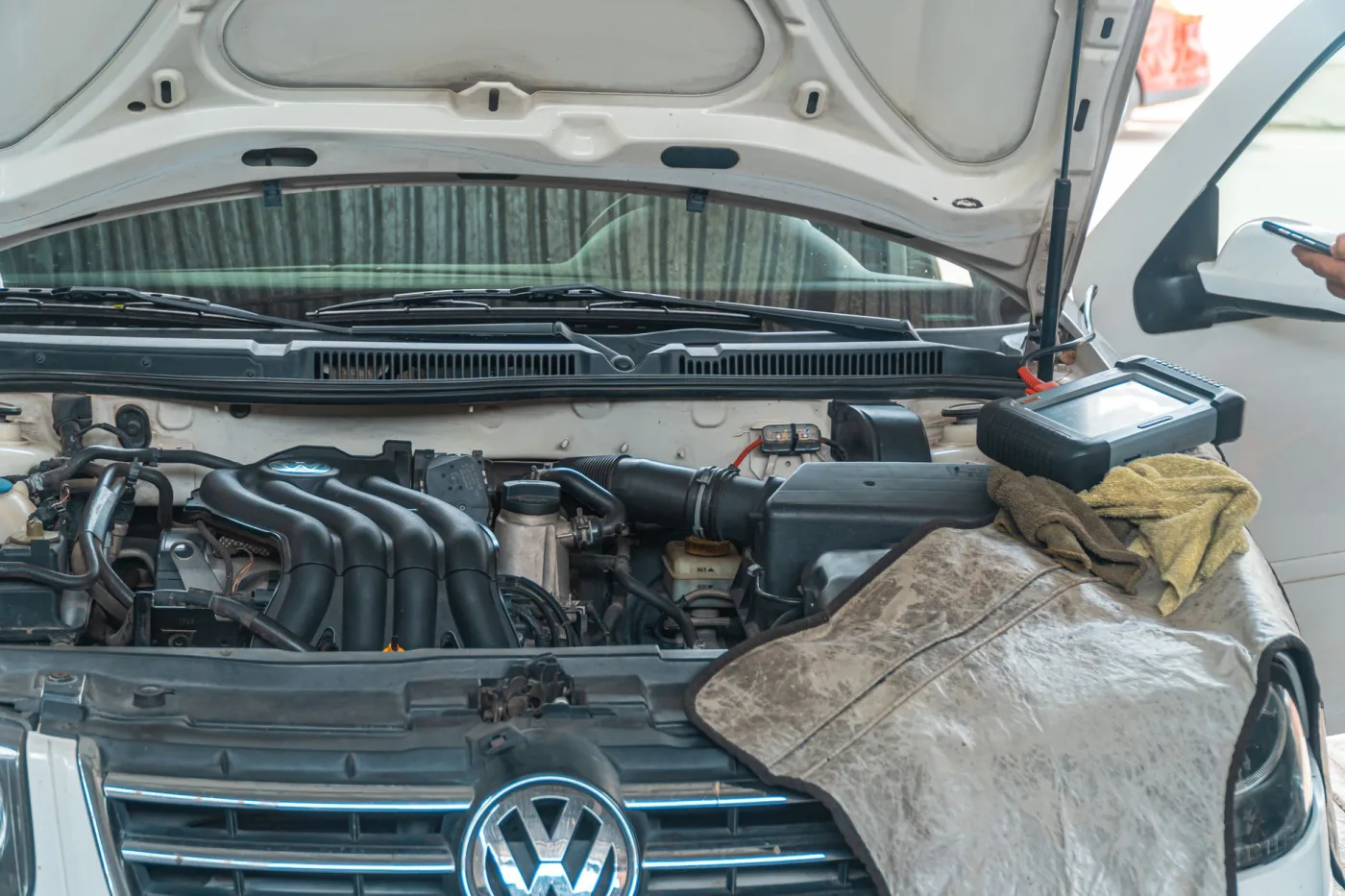
Preventive Maintenance Checklists for Cameroonian Urban Fleets
In Cameroon's bustling cities like Douala and Yaoundé, urban mobility is the backbone of daily life. Fleets of taxis, buses, and delivery vehicles keep people and goods moving. However, the demanding conditions—from traffic congestion to unpaved roads—take a toll on vehicles. For fleet operators, preventive maintenance is not just a best practice; it is essential for reliable operations, cost control, and partner satisfaction. This article explores how structured maintenance checklists can support fleet operations, driver discipline, and transparent reporting, contributing to the overall performance of income-generating vehicles.
Why Preventive Maintenance Matters for Urban Fleets
Preventive maintenance involves scheduled inspections and servicing to prevent breakdowns before they occur. In Cameroon's urban environments, where spare parts can be costly and downtime directly impacts revenue, a proactive approach is crucial. Regular maintenance extends vehicle lifespan, improves safety, and reduces unexpected repair costs. More importantly, it supports consistent operational performance, which is vital for partners participating in mobility projects. When vehicles are well-maintained, they are more likely to meet daily targets, whether carrying passengers or delivering goods.
Moreover, preventive maintenance contributes to driver discipline. When drivers know their vehicles are regularly checked, they are more likely to report issues promptly and adhere to safe driving practices. This synergy between maintenance and driver monitoring enhances overall fleet efficiency. For MboaFleet, which organizes partner participation around income-generating vehicles, promoting maintenance checklists aligns with our commitment to transparency and operational excellence.
Key Components of a Preventive Maintenance Checklist
A comprehensive checklist should cover daily, weekly, and monthly tasks. While specific items may vary by vehicle type, the following categories are universally applicable for urban fleets in Cameroon.
Daily Inspections (Before Departure)
- Fluid Levels: Check engine oil, coolant, brake fluid, and windshield washer fluid. Low levels can lead to overheating or brake failure.
- Tire Condition: Inspect tires for proper inflation, tread wear, and embedded objects. In Cameroon's variable road conditions, tires are particularly vulnerable.
- Lights and Signals: Ensure headlights, taillights, turn signals, and brake lights are functional. Visibility is critical in busy urban traffic.
- Brakes: Test brake responsiveness. Any unusual noise or softness should be reported immediately.
- Mirrors and Wipers: Adjust mirrors and check wiper blades for wear, especially during rainy seasons.
- Emergency Kit: Verify the presence of a spare tire, jack, and basic tools.
These daily checks take only a few minutes but can prevent major issues. Encourage drivers to complete a simple logbook or digital form to track findings. This practice supports driver monitoring and provides data for reporting.
Weekly Checks
- Battery: Inspect terminals for corrosion and ensure secure connections.
- Belts and Hoses: Look for cracks, fraying, or leaks. Replace if worn.
- Air Filter: Check and clean or replace if clogged, as dusty conditions in Cameroon can accelerate buildup.
- Suspension: Listen for unusual noises when driving over bumps. Worn shocks can affect handling.
- Interior and Exterior Cleanliness: A clean vehicle reflects professionalism and makes it easier to spot leaks or damage.
Monthly Servicing
- Oil and Filter Change: Follow manufacturer recommendations, but consider more frequent changes in stop-and-go urban traffic.
- Brake Inspection: Check brake pads, rotors, and lines. Replace worn components.
- Tire Rotation and Alignment: Ensures even wear and improves fuel efficiency.
- Cooling System: Flush and refill coolant as needed. Overheating is a common issue in hot climates.
- Transmission Fluid: Check level and condition; top up or replace if necessary.
- Comprehensive Diagnostic: Use an OBD scanner to detect electronic issues before they escalate.
These monthly tasks are best performed by a qualified mechanic. However, fleet operators should maintain records of all servicing to track vehicle history and anticipate future needs. This data is invaluable for reporting and operational planning.
Integrating Driver Monitoring and Reporting
A checklist is only effective if it is consistently used. Driver monitoring plays a key role here. Fleet managers should train drivers on how to perform inspections and why they matter. Regular feedback and recognition for compliance can reinforce positive habits. In Cameroon, where informal practices sometimes prevail, clear guidelines and training can professionalize fleet operations.
Reporting is the glue that holds preventive maintenance together. Drivers should report any issues immediately, and managers should log all maintenance activities. This creates a transparent record that can be shared with partners, demonstrating responsible stewardship of income-generating vehicles. Transparent reporting also helps identify recurring problems, allowing for root-cause analysis and corrective action. For example, if multiple vehicles experience brake issues, it may indicate a need for driver retraining or a change in route planning.
MboaFleet emphasizes transparency and reporting as core pillars of its operational model. By encouraging partners to adopt structured maintenance checklists, we aim to enhance the reliability and longevity of vehicles, ultimately supporting variable activity-based revenue. However, it is important to note that operational performance depends on numerous real-world factors, including vehicle condition, driver discipline, demand, and costs. No maintenance program can guarantee specific financial outcomes.
Practical Tips for Implementing Checklists
- Start Simple: Begin with daily checks and gradually expand. Overly complex checklists may discourage compliance.
- Use Digital Tools: Mobile apps or simple spreadsheets can streamline data collection and reporting. Ensure they are accessible offline for areas with poor connectivity.
- Provide Training: Conduct hands-on sessions for drivers and mechanics. Emphasize the link between maintenance and safety.
- Set a Schedule: Assign specific days for weekly and monthly tasks. Consistency is key.
- Monitor Compliance: Regularly review logs and address any gaps. Recognize drivers who consistently adhere to checklists.
- Budget for Maintenance: Allocate funds for parts and labor. Preventive care is often more cost-effective than major repairs.
- Leverage Local Expertise: Partner with trusted mechanics in Cameroon who understand local conditions and vehicle models.
By following these tips, fleet operators can build a culture of preventive maintenance that supports urban mobility and operational resilience.
Conclusion
Preventive maintenance checklists are a practical tool for any urban fleet in Cameroon. They help protect income-generating vehicles, improve driver discipline, and provide transparent reporting data. While no approach can eliminate all risks, a structured maintenance program contributes to more reliable operations and better partner experiences. At MboaFleet, we encourage partners to understand the operational foundations of mobility projects. To learn more about how we organize partner participation around real-world activity, visit our website and explore our model.
Disclaimer: This content is for informational purposes only and does not constitute an investment offer or financial advice.