Why Preventive Maintenance Matters for Urban Fleets in Cameroon
Urban mobility in Cameroon is a dynamic and essential part of daily life. From Douala to Yaoundé, transport fleets move thousands of people every day. However, operating a fleet in a tropical climate with dense traffic and varied road conditions requires more than just fuel and a driver. It demands a disciplined approach to maintenance—one that prevents breakdowns before they occur and keeps vehicles safe, reliable, and productive.
For mobility platforms like MboaFleet, which organize partner participation around income-generating vehicles, preventive maintenance is not a luxury—it is a cornerstone of operational performance. When vehicles are well-maintained, they spend more time on the road, consume less fuel, and provide a better experience for passengers and drivers alike. This directly influences the variable, activity-based revenue that partners may receive, which depends on real operational factors: vehicle condition, driver discipline, demand, and costs.
In this article, we will explore practical preventive maintenance checklists tailored to urban transport fleets in Cameroon. These checklists will help fleet operators, drivers, and partners understand how to keep vehicles in optimal condition and support the long-term viability of their mobility projects.
The Unique Context of Urban Fleet Operations in Cameroon
Cameroon’s urban centers present specific challenges for fleet operators. Roads may be congested, with potholes and unpaved sections that wear down suspensions and tires. The climate alternates between intense heat and heavy rains, which can affect battery life, air conditioning systems, and electrical components. Additionally, the availability of spare parts and qualified mechanics can vary, making it essential to anticipate maintenance needs and source parts proactively.
These factors mean that a reactive maintenance approach—waiting for something to break—is costly and disruptive. A vehicle that breaks down mid-route not only loses revenue for the day but also may require expensive emergency repairs and towing. In contrast, a preventive maintenance culture reduces unplanned downtime, extends vehicle lifespan, and improves safety for drivers and passengers.
For MboaFleet, which emphasizes transparency and reporting, a documented maintenance schedule is also a key element of accountability. When every check and repair is recorded, partners and operators can see how the vehicle is being cared for, and drivers can be held to clear standards.
Building a Preventive Maintenance Checklist: Core Principles
A good preventive maintenance checklist is more than a list of tasks—it is a decision-making tool. It should be:
- Systematic: Cover all critical vehicle systems, from engine to brakes to electronics.
- Scheduled: Based on time and mileage intervals, as recommended by the manufacturer and adapted to local conditions.
- Documented: Every check, finding, and action should be recorded for future reference and reporting.
- Communicated: Drivers and maintenance teams must understand the checklist and their responsibilities.
- Adaptable: The checklist should be reviewed and updated based on vehicle age, usage patterns, and seasonal conditions.
By following these principles, fleet operators in Cameroon can build a maintenance culture that enhances reliability and operational performance.
Daily Preventive Maintenance Checklist for Drivers
Drivers are the first line of defense against vehicle issues. A simple daily inspection can catch problems early and prevent costly breakdowns. Before starting the day, drivers should check:
Exterior and Safety Items
- Lights: headlights, taillights, brake lights, turn signals, and hazard lights.
- Tires: pressure, tread depth, and any visible damage or foreign objects.
- Mirrors: clean and correctly adjusted.
- Windshield and wipers: clean, with no cracks, and wiper blades functioning properly.
- Fluid leaks: look for any puddles under the vehicle (oil, coolant, brake fluid).
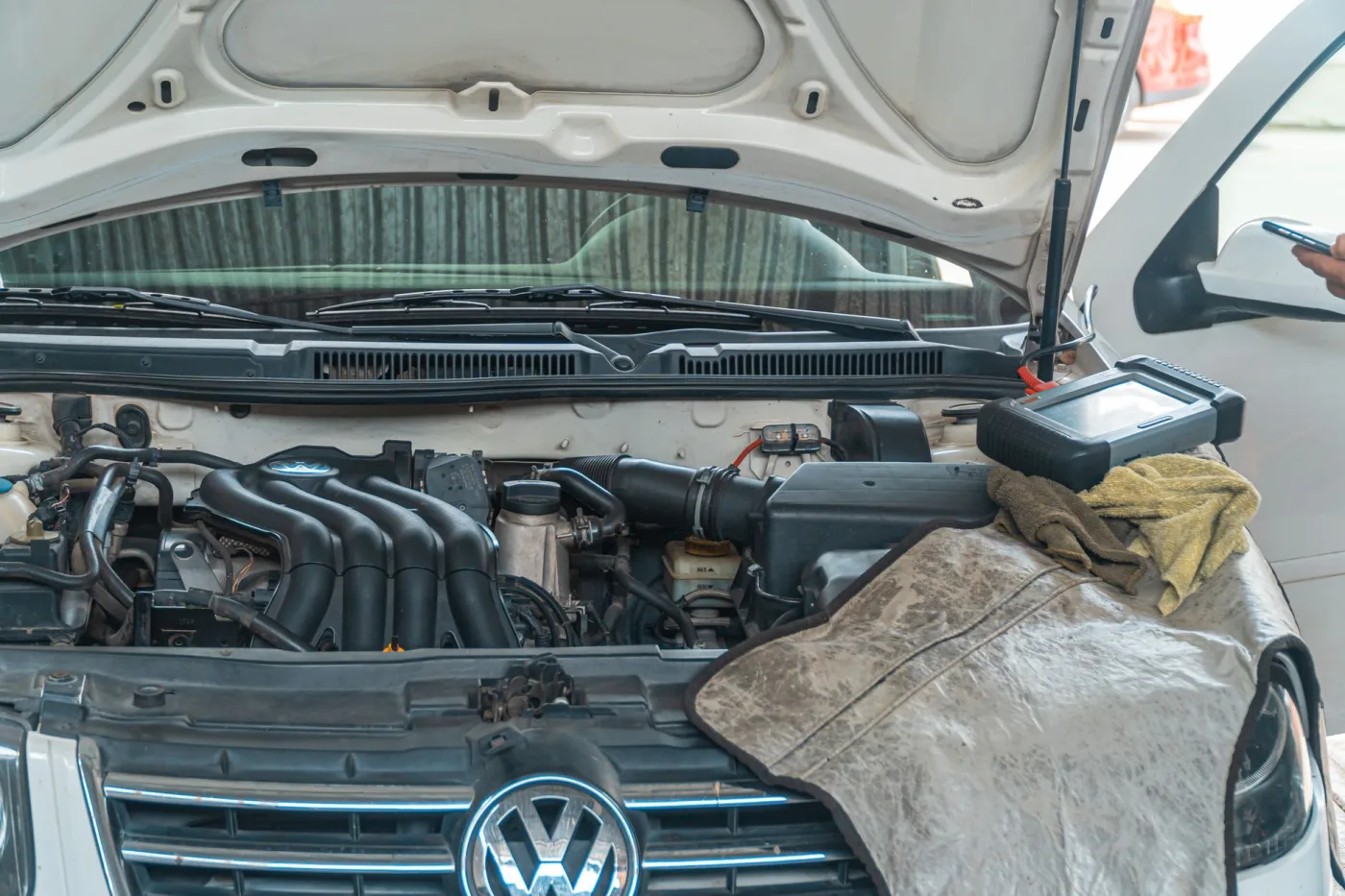
Under the Hood
- Engine oil level (check with the dipstick).
- Coolant level.
- Brake fluid level.
- Windshield washer fluid.
- Battery terminals and cables (for corrosion or looseness).
Cabin and Controls
- Seat belts: all must be functional.
- Dashboard warning lights: none should be illuminated.
- Horn and indicators.
- Air conditioning and ventilation.
- Interior cleanliness and removal of any trash or obstacles.
If the driver notices any issue, it should be reported immediately. For MboaFleet, driver monitoring and reporting are essential—drivers are encouraged to log any anomaly in the mobile app or logbook, allowing the operations team to schedule corrective maintenance before a small issue becomes a major repair.
Weekly Preventive Maintenance Checklist for Fleet Operators
On a weekly basis, a more detailed inspection should be performed, ideally by a designated fleet supervisor or a trusted mechanic. This checklist goes beyond the daily checks and includes:
- Tires: Rotate tires if needed, check for uneven wear, and re-torque lug nuts.
- Brakes: Listen for unusual noises, test brake pedal feel, and inspect brake pads and discs if visible.
- Battery: Test voltage and clean terminals; check that the battery is securely mounted.
- Fluids: Inspect all fluid levels and top up as needed; look for signs of contamination.
- Belts and hoses: Look for cracks, fraying, or leaks.
- Air filter: Check and clean or replace if dusty—important for urban environments with high dust levels.
- Suspension: Inspect shock absorbers and struts for leaks or damage.
- Electrical system: Test all interior and exterior lights, and check the alternator output.
These weekly checks help catch issues that daily inspections might miss. They also provide a regular point of contact between the driver and the operations team, reinforcing the importance of proactive care.
Monthly and Seasonal Maintenance Checklist
Monthly maintenance is more comprehensive and should be carried out by a qualified mechanic. It should include:
- Engine: Change oil and oil filter (if due), inspect spark plugs, and check compression if necessary.
- Transmission: Check fluid level and condition; inspect for leaks.
- Cooling system: Flush and refill coolant if needed, and pressure test the system.
- Fuel system: Inspect fuel lines and connections; replace fuel filter if scheduled.
- Exhaust system: Look for rust, holes, or loose mounts.
- Steering: Check power steering fluid and inspect tie rods and ball joints.
- Brakes: Perform a full brake inspection, including wheel cylinders or calipers.
- Air conditioning: Test cooling performance and recharge refrigerant if needed.
Seasonally, especially before the rainy season, additional checks are necessary: ensure good tire tread for wet roads, check wipers and windshield seals, and verify that the vehicle’s drainage channels are clear. In the dry season, pay attention to air filters and cabin filters to combat dust.
By aligning maintenance with seasonal changes, fleet operators can reduce the risk of weather-related breakdowns and keep vehicles operating smoothly year-round.
Documentation and Reporting: The Backbone of Preventive Maintenance
Preventive maintenance is only effective if it is documented. Each vehicle should have a dedicated maintenance log that records:
- Date and odometer reading of each check or repair.
- What was inspected or replaced.
- Any issues found and corrective actions taken.
- Costs incurred and parts used.
- Name and signature of the technician or driver.
This documentation serves multiple purposes. It helps track recurring issues, plan future maintenance budgets, and provide transparency to partners who participate in the mobility project. In the MboaFleet model, reporting is key—partners can see how maintenance is managed, and operators can demonstrate that vehicles are well-cared-for, which supports operational performance and, in turn, variable activity-based revenue.
Digital tools, such as MboaFleet’s platform, can streamline this process. Drivers can log daily checks via a mobile app, and the operations team can schedule maintenance reminders based on mileage or time intervals. This reduces the risk of missed maintenance and creates a clear audit trail.
Challenges and Solutions in Implementing Preventive Maintenance in Cameroon
Implementing a preventive maintenance program in Cameroon may face challenges, such as:
- Access to spare parts: Solution: build relationships with reliable suppliers and keep an inventory of high-turnover items.
- Qualified mechanics: Solution: invest in training for in-house mechanics or partner with trusted garages that understand the vehicle models.
- Driver compliance: Solution: provide incentives for drivers who consistently follow daily checks and report issues.
- Cost management: Solution: plan maintenance budgets based on historical data and negotiate bulk pricing for parts and services.
Overcoming these challenges requires a commitment to operational excellence, which is at the heart of MboaFleet’s approach. By prioritizing maintenance, fleet operators can reduce downtime, extend vehicle life, and enhance the overall efficiency of their urban transport service.
Conclusion: Maintenance as a Driver of Operational Performance
Preventive maintenance is not just about fixing cars—it is about building a reliable, safe, and efficient transport service. For urban fleets in Cameroon, where every vehicle is a valuable asset, a structured maintenance checklist is essential. It protects the vehicle, supports drivers, and ultimately contributes to the operational performance of the mobility project.
At MboaFleet, we believe that transparency and reporting are key to successful fleet operations. By documenting maintenance and sharing information with partners, we create trust and accountability. If you are interested in learning more about how MboaFleet organizes economic participation around income-generating vehicles, and how we prioritize maintenance and operational reporting, we invite you to explore our model further.
Disclaimer: This content is for informational purposes only and does not constitute an investment offer or financial advice. Performance depends on real operational factors such as vehicle condition, driver discipline, maintenance, demand, costs, and reporting.