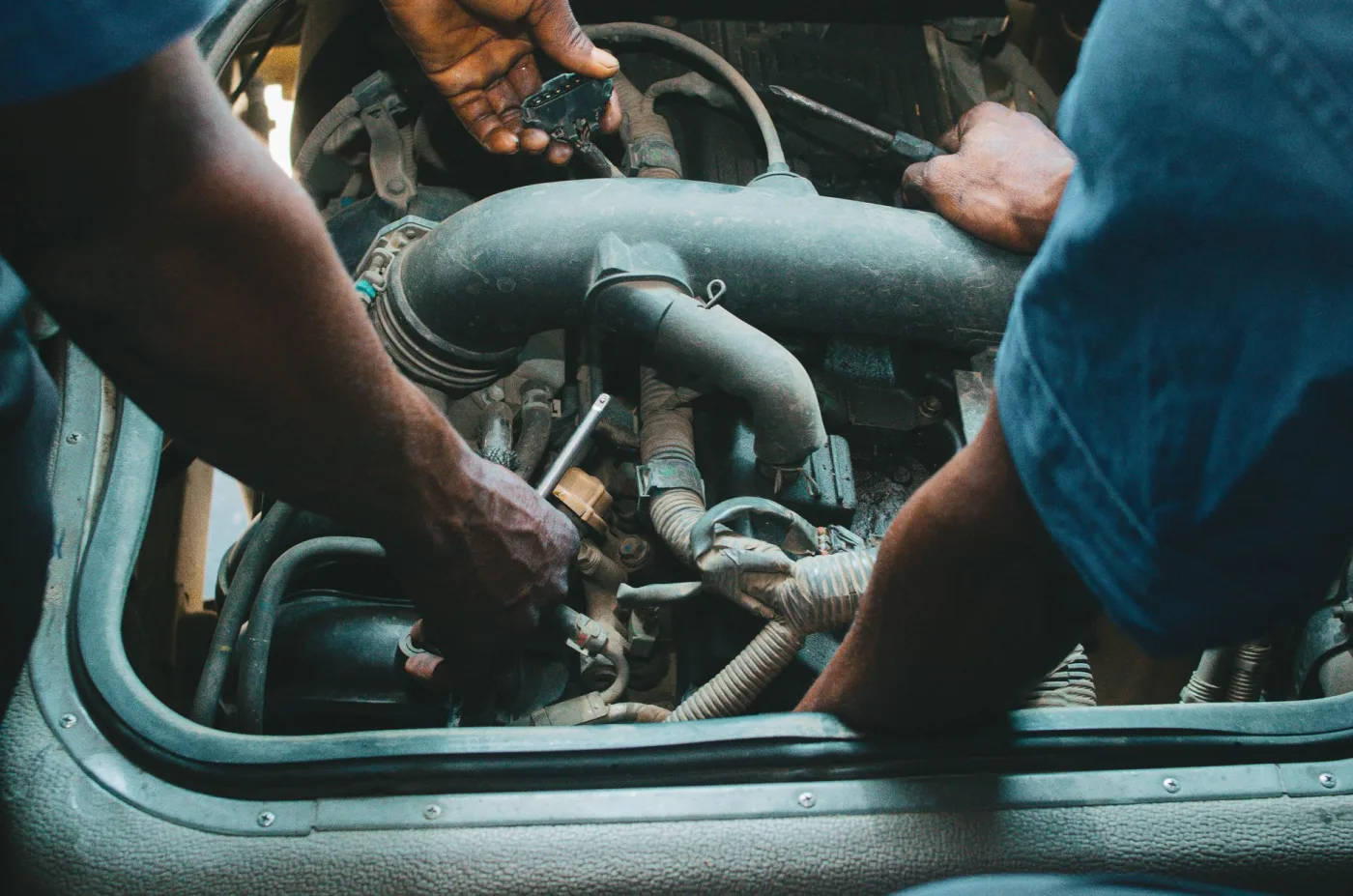
Why Preventive Maintenance Matters for Urban Transport Fleets in Cameroon
In Cameroon's bustling cities like Douala and Yaoundé, urban transport fleets face unique challenges: traffic congestion, variable road conditions, and high demand for reliable mobility. For fleet operators, keeping vehicles on the road is not just about service quality—it directly affects operational performance and the economic participation of partners who rely on income-generating vehicles.
Preventive maintenance is the practice of scheduling regular inspections and servicing before breakdowns occur. Unlike reactive repairs, which happen after a failure, preventive maintenance reduces downtime, extends vehicle life, and helps control costs. For fleets operating in Cameroon, where spare parts may take time to arrive and roadside assistance can be limited, a proactive approach is essential.
This guide provides practical advice for building and managing preventive maintenance schedules. It covers planning, driver monitoring, reporting, and the operational factors that influence performance. The goal is to help fleet managers and partners make informed decisions that support sustainable mobility operations.
Key Operational Factors That Affect Fleet Performance
Before diving into maintenance schedules, it's important to understand the real-world factors that influence fleet operations. Performance depends on:
- Vehicle condition: Age, mileage, and wear and tear affect reliability.
- Driver discipline: Safe driving habits reduce accidents and mechanical stress.
- Maintenance quality: Timely servicing with quality parts prevents small issues from becoming major failures.
- Demand and availability: High demand can lead to overuse if not balanced with rest periods.
- Costs: Fuel, parts, and labor costs vary and must be managed carefully.
- Reporting: Accurate data on vehicle health and driver behavior enables better decisions.
These factors are interconnected. For example, poor driver discipline can accelerate wear, increasing maintenance costs and reducing vehicle availability. A preventive maintenance schedule that incorporates driver monitoring and reporting can address these issues holistically.
Building a Preventive Maintenance Schedule: Step-by-Step
1. Inventory Your Fleet and Gather Data
Start by listing all vehicles, including make, model, year, and current mileage. Collect historical maintenance records if available. For each vehicle, note the manufacturer's recommended service intervals for oil changes, brake inspections, tire rotation, and other routine tasks. If records are missing, begin with a baseline inspection by a qualified mechanic.
2. Set Service Intervals Based on Usage
Manufacturer recommendations are a starting point, but urban transport in Cameroon may require adjustments. Frequent stop-and-go traffic, dusty roads, and high temperatures can shorten service intervals. For example:
- Oil changes: Every 5,000–7,500 km or every 3 months, whichever comes first.
- Brake inspection: Every 10,000 km or every 6 months.
- Tire rotation and alignment: Every 8,000–10,000 km.
- Air filter replacement: Every 15,000 km or more often in dusty conditions.
- Battery check: Every 6 months, especially before rainy season.
These intervals are guidelines. Work with a trusted mechanic to tailor them to your specific fleet and operating environment.
3. Create a Maintenance Calendar
Use a simple spreadsheet or a fleet management platform to track service due dates. Assign each vehicle a unique ID and schedule tasks by date or mileage. Include both routine services and inspections for brakes, tires, lights, and fluids. Set reminders for upcoming services so nothing is overlooked.
4. Assign Responsibilities
Clearly define who is responsible for what. Drivers should perform daily pre-trip checks (e.g., tire pressure, lights, fluid levels) and report issues immediately. A maintenance coordinator or fleet manager should oversee scheduling, vendor coordination, and record-keeping. In smaller operations, the owner may take on multiple roles, but documentation remains crucial.
5. Budget for Maintenance
Preventive maintenance requires upfront spending, but it typically costs less than emergency repairs. Allocate a monthly budget based on fleet size and vehicle age. Track actual expenses to refine your estimates. Remember that costs can vary, and operational performance—including revenue from income-generating vehicles—depends on many factors, so prudent financial planning is essential.
The Role of Driver Monitoring in Preventive Maintenance
Drivers are the frontline of fleet operations. Their behavior directly impacts vehicle health. Aggressive driving, sudden braking, and overloading can accelerate wear and lead to premature failures. Driver monitoring programs help identify risky habits and provide opportunities for coaching.
Practical steps for driver monitoring include:
- Daily vehicle inspections: Require drivers to complete a checklist before each shift.
- Telematics or GPS tracking: If available, use data on speed, idling, and harsh events to spot patterns.
- Regular feedback: Discuss driving performance in one-on-one meetings.
- Training: Offer refresher courses on safe driving and fuel-efficient techniques.
- Recognition: Reward drivers with consistent safe behavior to reinforce positive habits.
In Cameroon, where road conditions can be unpredictable, driver discipline is especially important. A well-monitored driver not only reduces maintenance costs but also enhances passenger safety and service reliability.
Using Reporting to Improve Maintenance Operations
Reporting transforms raw data into actionable insights. For preventive maintenance, key reports include:
- Service history: A log of all maintenance activities per vehicle.
- Downtime analysis: How often and how long vehicles are out of service.
- Cost per kilometer: Total maintenance costs divided by distance traveled.
- Driver performance: Metrics on fuel consumption, incidents, and inspection compliance.
- Parts inventory: Tracking of commonly used parts to avoid stockouts.
Review these reports monthly to identify trends. For example, if a particular vehicle model consistently requires more repairs, you may adjust service intervals or consider replacement. If a driver has frequent brake issues, additional training may be needed. Transparent reporting also builds trust with partners by showing that operations are managed responsibly.
Practical Tips for Fleet Managers in Cameroon
- Partner with reliable mechanics: Establish relationships with local garages that understand your fleet's needs.
- Keep spare parts on hand: Stock commonly needed items like filters, belts, and brake pads to reduce downtime.
- Plan for seasonal challenges: Rainy season can worsen road conditions; schedule extra inspections before and after.
- Use mobile-friendly tools: Many fleet managers in Cameroon use smartphones; choose reporting tools that work offline or with limited data.
- Document everything: Even simple paper logs can be effective if maintained consistently.
- Train drivers on basic maintenance: Teach them to check fluids, tires, and lights, and to recognize early warning signs.
Conclusion: Building a Culture of Prevention
Preventive maintenance is not a one-time task but an ongoing commitment. For urban transport fleets in Cameroon, it is a cornerstone of operational resilience. By scheduling regular services, monitoring driver behavior, and using reporting to guide decisions, fleet operators can reduce breakdowns, control costs, and keep income-generating vehicles productive.
At MboaFleet, we support partners in managing these operational aspects through our mobility platform. We emphasize transparency, driver monitoring, and maintenance because we believe that sustainable performance comes from real-world activity and disciplined operations. If you are interested in learning more about how MboaFleet organizes fleet operations and partner participation, we invite you to explore our model and see how it aligns with your mobility project.
Disclaimer: This content is for informational purposes only and does not constitute an investment offer or financial advice. Performance depends on real operational factors including vehicle condition, driver discipline, maintenance, demand, costs, availability, and reporting.