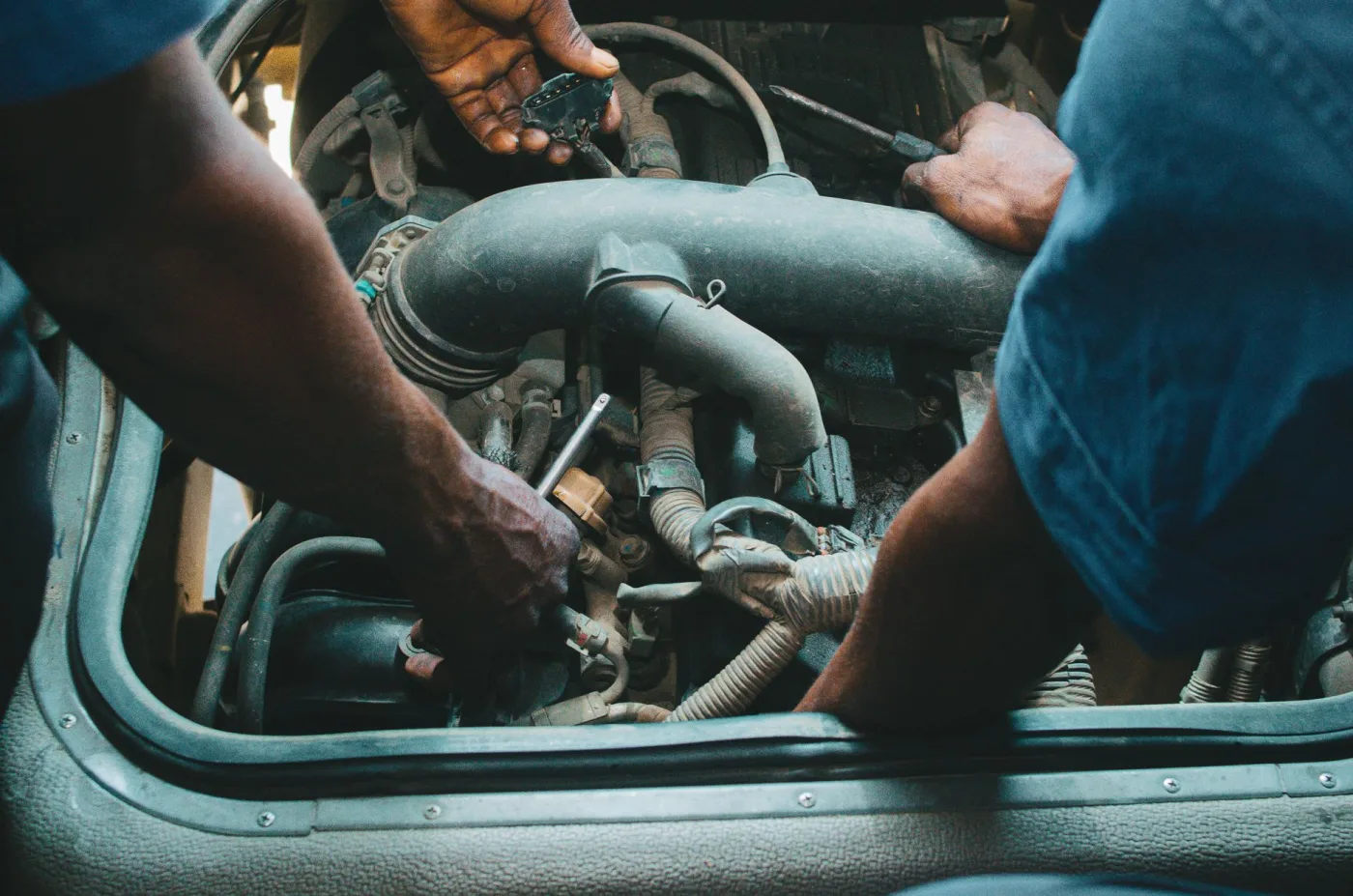
Why Preventive Maintenance Matters for Urban Fleets in Cameroon
In Cameroon's bustling cities like Douala and Yaoundé, urban fleets face unique challenges: heavy traffic, variable road conditions, and intense daily usage. For businesses and partners operating income-generating vehicles, keeping those vehicles on the road is essential. Preventive maintenance—scheduled servicing before problems arise—is the cornerstone of reliable fleet operations. It reduces downtime, extends vehicle lifespan, and helps control costs. More importantly, it supports the consistent operational performance that partners depend on.
This guide offers practical advice for building preventive maintenance schedules tailored to Cameroon's urban environment. Whether you manage a small fleet or participate in a mobility project, these steps can help you protect your vehicles and your operations.
Key Components of a Preventive Maintenance Schedule
A well-structured preventive maintenance schedule is based on time, mileage, and usage patterns. For urban fleets in Cameroon, consider the following core elements:
- Regular inspections: Daily checks of tires, brakes, lights, and fluid levels. Weekly inspections of the engine, transmission, and suspension.
- Oil and filter changes: Follow manufacturer recommendations, but adjust for severe conditions (e.g., frequent stop-and-go traffic, dusty roads). Typically every 5,000–7,500 km.
- Brake system servicing: Inspect brake pads, discs, and fluid every 10,000–15,000 km, or more often in heavy traffic.
- Tire maintenance: Rotate tires every 5,000–8,000 km, check alignment and balancing annually, and monitor tread depth.
- Battery and electrical checks: Test battery health every 6 months; inspect alternator and starter.
- Cooling system flush: Every 2 years or 40,000 km.
- Transmission service: Every 40,000–60,000 km, depending on the vehicle.
These intervals are general guidelines. Always consult your vehicle's manual and adapt based on local conditions and driver feedback.
Adapting Schedules to Cameroon's Urban Context
Cameroon's urban roads often present specific stressors: potholes, dust, humidity, and traffic congestion. These factors can accelerate wear and tear. To adapt your schedule:
- Shorten intervals for severe conditions: If vehicles operate mostly in stop-and-go traffic or on unpaved roads, reduce service intervals by 20–30%.
- Emphasize suspension and undercarriage checks: Poor road quality can damage shocks, struts, and exhaust systems.
- Monitor air filters more frequently: Dust and pollution clog filters faster; inspect every 5,000 km and replace as needed.
- Account for rainy season: Increased humidity and water on roads can affect brakes and electrical systems. Schedule extra inspections before and during the rainy season.
By tailoring your schedule to local realities, you can prevent unexpected breakdowns and maintain operational continuity.
Building a Preventive Maintenance Workflow
Effective maintenance requires more than a checklist—it needs a workflow. Here’s a practical approach:
1. Vehicle Inventory and Documentation
Maintain a detailed record for each vehicle: make, model, year, mileage, and service history. Use a simple spreadsheet or fleet management software to track schedules and costs.
2. Driver Involvement and Monitoring
Drivers are your first line of defense. Train them to perform daily pre-trip inspections and report issues immediately. Driver monitoring—through regular check-ins and feedback—helps identify problems early. Encourage drivers to note unusual noises, vibrations, or performance changes.
3. Scheduling and Reminders
Set up a calendar with service reminders based on mileage or time. Automated alerts can prevent missed services. For fleets without software, use a whiteboard or shared calendar.
4. Qualified Service Providers
Identify reliable mechanics or service centers in your area. Build relationships and negotiate service agreements. Ensure they use quality parts and follow manufacturer procedures.
5. Reporting and Review
Keep records of all maintenance activities, costs, and downtime. Regularly review this data to adjust schedules and identify recurring issues. Transparent reporting also helps partners understand operational performance and the importance of maintenance.
Common Pitfalls to Avoid
- Reactive maintenance: Waiting for breakdowns is costly and disruptive. Stick to preventive schedules.
- Ignoring driver feedback: Drivers often notice early warning signs. Listen to them.
- Overlooking local conditions: Generic schedules may not suit Cameroon's roads. Adapt as needed.
- Poor record-keeping: Without records, it's hard to track performance or plan budgets.
The Role of Maintenance in Fleet Operations and Partner Transparency
In a mobility project like MboaFleet, preventive maintenance is integral to operational performance. Vehicles that are well-maintained are more available, consume less fuel, and generate more consistent activity-based revenue. This directly impacts the economic participation of partners.
MboaFleet emphasizes transparency and reporting. By maintaining detailed maintenance records, partners can see how contributions are used to keep vehicles in good condition. This transparency builds trust and supports informed decision-making. It also highlights that performance depends on real operational factors—vehicle condition, driver discipline, maintenance, demand, costs, availability, and reporting—rather than guarantees.
Practical Tips for Cost-Effective Maintenance
- Prioritize critical items: Focus on safety and reliability first (brakes, tires, lights).
- Bulk purchasing: If you have multiple vehicles, buy consumables (oil, filters) in bulk for discounts.
- Train in-house: For basic checks, train a staff member to handle minor inspections and replacements.
- Use technology: Simple fleet apps can track schedules and costs, reducing administrative burden.
- Plan ahead: Budget for maintenance regularly to avoid large unexpected expenses.
Conclusion: Proactive Maintenance for Sustainable Mobility
Preventive maintenance is not just a cost—it's an investment in reliability, safety, and operational performance. For urban fleets in Cameroon, a well-designed schedule adapted to local conditions can minimize downtime and maximize vehicle availability. By involving drivers, keeping transparent records, and using practical tools, fleet operators and partners can protect their assets and support sustainable mobility.
At MboaFleet, we believe that informed partners make better decisions. If you're interested in learning more about how our operational model integrates maintenance, driver monitoring, and reporting to support income-generating vehicles, we invite you to explore our platform and understand the MboaFleet approach. Together, we can build a more transparent and efficient mobility ecosystem in Cameroon.
Disclaimer: This content is for informational purposes only and does not constitute an investment offer or financial advice. Performance depends on real operational factors, and no outcomes are guaranteed.