Why Preventive Maintenance Matters for Fleets in Cameroon
In Cameroon's bustling cities like Douala and Yaoundé, urban mobility is the backbone of daily life and commerce. For fleet operators, every vehicle on the road represents an opportunity to generate income and serve passengers. However, the reality of operating in Cameroon—with its varied road conditions, traffic congestion, and climate—means that vehicles face constant wear and tear. Without a robust preventive maintenance strategy, fleets risk breakdowns, costly repairs, and lost revenue.
Preventive maintenance is the practice of scheduling regular inspections, servicing, and part replacements before problems occur. It is not just about fixing vehicles when they break; it is about keeping them running smoothly and safely. For partners involved in income-generating vehicle operations, preventive maintenance is a cornerstone of operational performance. It directly impacts vehicle availability, driver safety, and the overall success of a mobility project.
The Real Cost of Neglecting Maintenance
When maintenance is reactive rather than preventive, the consequences can be severe. A vehicle that breaks down unexpectedly may be off the road for days, leading to lost income and dissatisfied passengers. In Cameroon, where spare parts can sometimes be delayed and repair costs unpredictable, the financial impact is even greater.
Moreover, neglected maintenance can lead to:
- Higher repair costs: Small issues like worn brake pads or low fluid levels can escalate into major engine or transmission damage.
- Reduced vehicle lifespan: A well-maintained vehicle can serve for many years, while a poorly maintained one may need premature replacement.
- Safety risks: Faulty brakes, tires, or lights endanger drivers, passengers, and other road users.
- Lower operational performance: Vehicles that are frequently in the workshop cannot contribute to revenue generation.
For fleet partners, these factors directly affect the variable activity-based revenue that depends on vehicles being on the road and operating efficiently.
Building a Preventive Maintenance Plan
A successful preventive maintenance plan is systematic and tailored to the specific conditions of your fleet. Here are key steps to consider:
1. Establish a Maintenance Schedule
Work with qualified mechanics to determine the recommended service intervals for each vehicle type. This should include:
- Oil and filter changes every 5,000 to 10,000 km, depending on vehicle age and usage.
- Brake inspections every 10,000 km or as recommended.
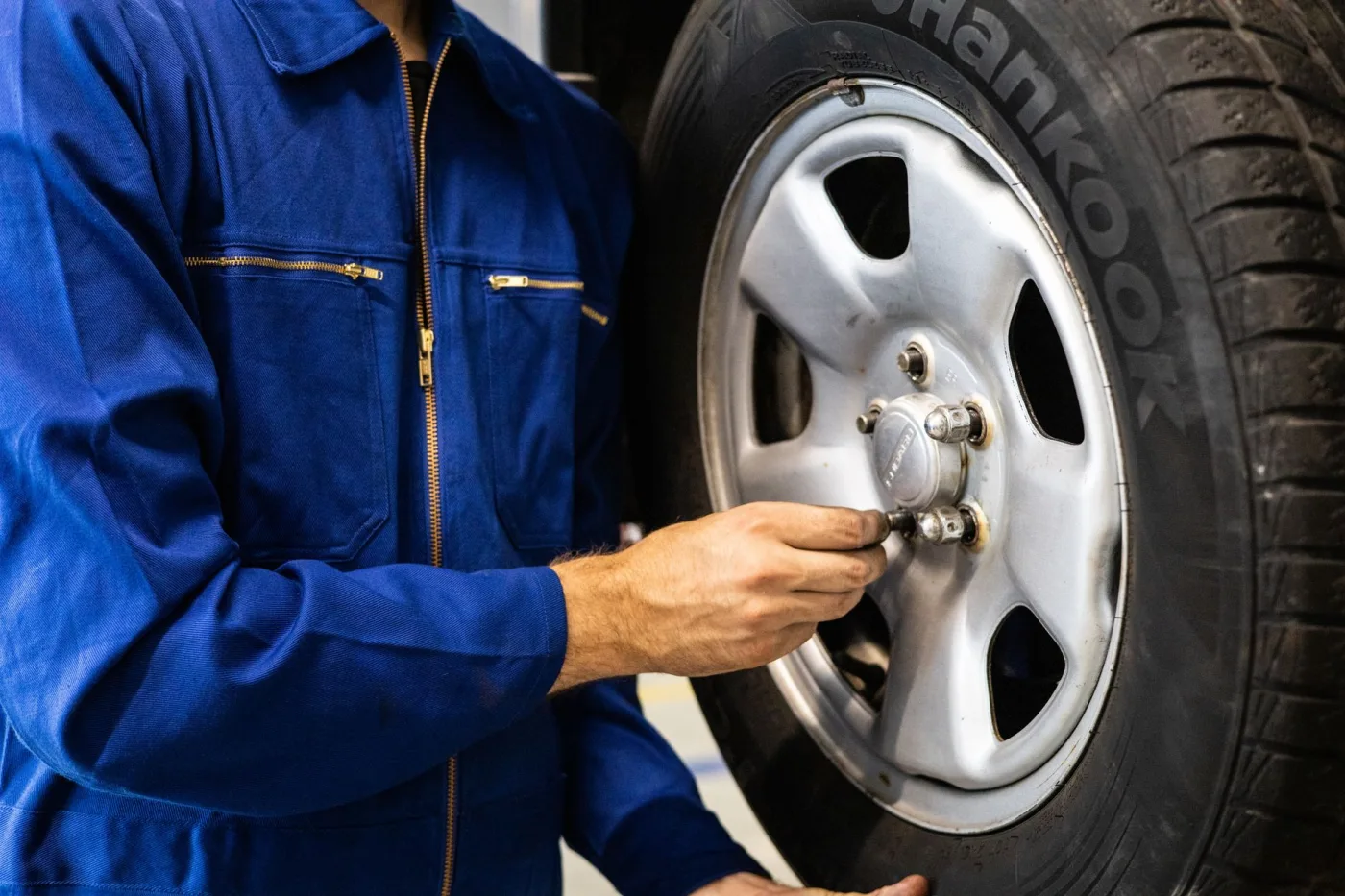
- Tire rotation and alignment every 10,000 km.
- Battery checks every 6 months.
- Coolant and transmission fluid checks every 20,000 km.
In Cameroon, where dust and heat can accelerate wear, it may be wise to shorten some intervals. For example, air filters may need more frequent cleaning or replacement.
2. Keep Detailed Records
Accurate record-keeping is essential for tracking maintenance history and predicting future needs. Use a logbook or digital system to record:
- Date and mileage of each service.
- Parts replaced and their warranty information.
- Mechanic's notes and recommendations.
- Costs incurred.
These records not only help in planning but also provide transparency for partners and fleet managers. At MboaFleet, reporting is a key component of our operations, ensuring that all stakeholders have visibility into vehicle performance and maintenance activities.
3. Train Drivers on Daily Checks
Drivers are the first line of defense in preventive maintenance. Encourage them to perform daily pre-trip inspections:
- Check tire pressure and tread depth.
- Test lights, indicators, and horn.
- Check fluid levels (oil, coolant, brake fluid, windshield washer).
- Listen for unusual noises and note any changes in handling.
- Report any issues immediately.
Driver monitoring is an integral part of fleet operations. When drivers are disciplined and proactive, they help prevent small problems from becoming major breakdowns.
4. Partner with Reliable Mechanics
Identify trustworthy mechanics or workshops in your area. In Cameroon, building a good relationship with a skilled mechanic can be invaluable. Look for:
- Certification and experience with your vehicle types.
- Access to genuine spare parts.
- Transparent pricing and timelines.
- Willingness to provide detailed reports.
Consider establishing a service agreement for priority treatment and consistent quality.
5. Use Technology for Fleet Management
Modern fleet management tools can help automate maintenance scheduling and tracking. GPS tracking, for example, can monitor vehicle usage and alert you when service is due. Some systems also provide diagnostic data that can predict failures before they happen. While technology requires an initial investment, it can significantly improve operational efficiency and reduce downtime.
The Role of Maintenance in Operational Performance
In the context of income-generating vehicles, maintenance is not just a cost center—it is an investment in reliability. A well-maintained fleet experiences fewer breakdowns, which means more days on the road and more consistent revenue. This is particularly important in Cameroon's urban mobility sector, where competition can be fierce and passengers expect dependable service.
Furthermore, preventive maintenance contributes to driver satisfaction and safety. Drivers who operate well-maintained vehicles are less likely to be involved in accidents and more likely to take pride in their work. This positive cycle supports driver retention and overall fleet discipline.
Overcoming Common Challenges in Cameroon
Fleet operators in Cameroon face unique challenges that can complicate preventive maintenance:
- Road conditions: Potholes and unpaved roads can cause suspension and tire damage. Regular inspections are crucial.
- Climate: Heat and dust can degrade fluids and filters faster. Adjust maintenance intervals accordingly.
- Parts availability: Some parts may be scarce or counterfeit. Source from reputable suppliers and keep critical spares in stock.
- Traffic congestion: Stop-and-go traffic increases wear on brakes and clutches. Consider more frequent servicing for vehicles used in dense urban areas.
By anticipating these challenges, fleet partners can develop a maintenance plan that is both realistic and effective.
How MboaFleet Supports Maintenance and Transparency
At MboaFleet, we understand that maintaining a fleet in Cameroon requires more than just good intentions. Our operational mobility platform is designed to support partners by organizing fleet operations, driver monitoring, and maintenance scheduling. We emphasize transparency and reporting, so partners can see how their contributions are being used to keep vehicles in optimal condition.
Our approach is grounded in real-world activity. We do not promise guaranteed returns or present our model as a financial product. Instead, we focus on the operational factors that drive variable activity-based revenue: vehicle condition, driver discipline, maintenance, demand, costs, availability, and reporting. By prioritizing preventive maintenance, we aim to maximize vehicle uptime and support the long-term sustainability of each mobility project.
Practical Tips for Fleet Partners
If you are involved in or considering a mobility project with income-generating vehicles, here are some actionable tips:
- Budget for maintenance: Set aside a percentage of revenue for regular servicing and unexpected repairs.
- Stick to the schedule: Do not postpone maintenance when business is busy—that is when breakdowns are most costly.
- Empower drivers: Provide training and incentives for drivers who consistently perform pre-trip checks and report issues early.
- Review data: Use maintenance records and operational reports to identify patterns and adjust your plan.
- Communicate: Keep partners informed about maintenance activities and their impact on performance.
Conclusion
Preventive maintenance is not a luxury—it is a necessity for any fleet operating in Cameroon. It protects your vehicles, your drivers, and your revenue. By adopting a proactive approach, you can reduce downtime, extend vehicle life, and contribute to a more reliable urban mobility ecosystem.
If you are interested in learning more about how MboaFleet organizes fleet operations and supports partners through transparent maintenance and reporting, we invite you to explore our model. Together, we can keep Cameroon moving.
Disclaimer: This content is for informational purposes only and does not constitute an investment offer or financial advice.