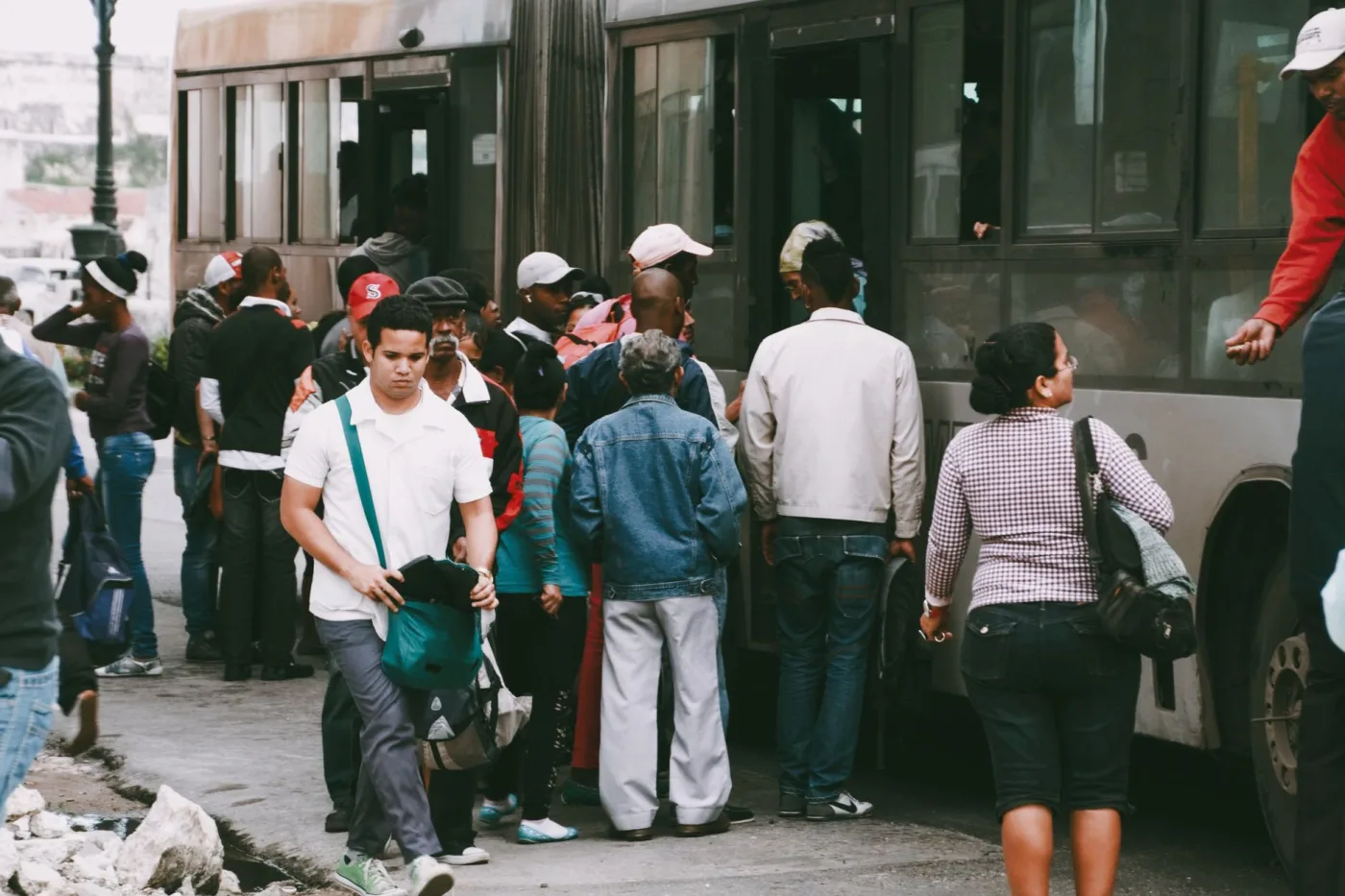
Introduction to Route Planning for Urban Transport in Cameroon
Urban transport in Cameroon is a dynamic and challenging sector. Operators in cities like Douala, Yaoundé, and Bafoussam face heavy traffic, varied road conditions, and fluctuating demand. For those managing income-generating vehicles, effective route planning is not just about getting from point A to point B—it is a core operational activity that influences fuel consumption, vehicle wear, driver performance, and overall service reliability.
At MboaFleet, we support partners in organizing fleet operations around real-world activity. This article outlines the basics of route planning for urban transport operators, with a focus on practical steps that can improve efficiency and transparency. Whether you operate a single vehicle or a small fleet, these principles can help you make informed decisions.
Why Route Planning Matters for Fleet Operations
Route planning directly affects the operational performance of any transport business. Poorly planned routes can lead to wasted fuel, extended working hours, increased maintenance needs, and dissatisfied passengers. Conversely, well-structured routes can reduce costs, improve vehicle longevity, and enhance driver discipline.
In Cameroon’s urban centers, where traffic congestion is common, route planning must account for peak hours, road closures, and seasonal factors such as rain. Operators who treat route planning as an ongoing process—rather than a one-time task—are better positioned to adapt to changing conditions.
Key Factors in Urban Route Planning
1. Demand Assessment
Before designing routes, it is essential to understand where and when demand occurs. In many Cameroonian cities, demand patterns vary by time of day, day of week, and location. For example, routes serving markets, schools, and business districts may have distinct peak periods.
Operators can gather demand data through simple observation, passenger feedback, or digital tools. MboaFleet’s reporting features help partners track activity patterns and make data-informed decisions without relying on guesswork.
2. Road and Traffic Conditions
Not all roads are equal. In urban Cameroon, some routes may be paved and well-maintained, while others are unpaved or prone to flooding during the rainy season. Route planning should consider road quality, traffic density, and potential delays.
It is also wise to identify alternative routes for emergencies or heavy congestion. This reduces downtime and keeps vehicles productive.
3. Vehicle Suitability
Different vehicles have different capabilities. A route that is suitable for a rugged SUV may not be ideal for a smaller sedan. Matching vehicles to routes based on terrain, distance, and passenger capacity helps prevent premature wear and improves safety.
Regular maintenance checks are critical here. A vehicle in poor condition is more likely to break down on a challenging route, leading to lost revenue and higher repair costs.
4. Driver Monitoring and Discipline
Even the best-planned route can underperform if drivers do not follow it or if they engage in inefficient practices. Driver monitoring is therefore a key component of route planning. This includes tracking adherence to planned routes, monitoring speeding, and ensuring that rest breaks are taken.
MboaFleet emphasizes driver monitoring as part of its operational support. By promoting discipline and accountability, operators can reduce fuel waste, lower accident risks, and extend vehicle life.
5. Cost Considerations
Fuel, maintenance, and driver wages are major cost drivers. Route planning should aim to minimize unnecessary mileage while maximizing revenue-generating trips. For instance, combining pick-ups and drop-offs along a corridor can improve efficiency.
Operators should also track costs per kilometer or per trip. This data, when reviewed regularly, can reveal opportunities to adjust routes or schedules.
Practical Steps for Effective Route Planning
Here is a simple, actionable framework for urban transport operators in Cameroon:
- Map your current routes: Start by documenting the routes you already use. Note distances, travel times, and any recurring issues.
- Identify demand hotspots: Use local knowledge and passenger feedback to pinpoint where and when demand is highest.
- Design routes with flexibility: Plan primary and secondary routes. Be ready to adjust based on traffic, weather, or demand shifts.
- Assign appropriate vehicles: Match vehicles to routes based on condition, capacity, and terrain.
- Communicate routes clearly: Ensure drivers understand the planned routes and the reasons behind them.
- Monitor and review: Use reporting tools to track performance. Look at fuel consumption, trip times, and driver adherence.
- Maintain vehicles proactively: Schedule regular maintenance to prevent breakdowns that disrupt routes.
- Adjust as needed: Route planning is iterative. Review data monthly and make improvements.
The Role of Maintenance in Route Planning
Vehicle maintenance is not separate from route planning—it is intertwined. A vehicle that is due for service may need to be assigned to shorter or less demanding routes until maintenance is completed. Ignoring maintenance can lead to breakdowns that disrupt entire routes and erode passenger trust.
In Cameroon, where spare parts and qualified mechanics may be less accessible in some areas, proactive maintenance is especially important. Operators should keep maintenance records and use them to inform route assignments.
Reporting: The Backbone of Transparent Operations
Without accurate reporting, route planning becomes guesswork. Reporting provides insights into what is working and what is not. Key metrics include:
- Fuel consumption per route
- Average trip duration
- Vehicle downtime
- Driver adherence to planned routes
- Revenue per route
- Maintenance costs per vehicle
MboaFleet supports partners with reporting tools that promote transparency. By reviewing these metrics regularly, operators can make prudent adjustments to routes, schedules, and vehicle assignments.
Adapting to Cameroon’s Urban Context
Cameroon’s urban transport environment has unique characteristics. Informal transport modes, such as moto-taxis, coexist with formal buses and taxis. Traffic regulations may be unevenly enforced. Weather patterns can change rapidly.
Successful route planning in this context requires local knowledge and flexibility. Operators should build relationships with local authorities, monitor road conditions, and stay attuned to community needs. What works in Douala may not work in Bamenda, so route plans should be tailored to each city or neighborhood.
Conclusion: Building Better Operations Through Planning
Route planning is a foundational skill for urban transport operators in Cameroon. It requires attention to demand, road conditions, vehicle suitability, driver discipline, maintenance, and reporting. By approaching route planning as an ongoing operational practice, partners can improve efficiency, reduce costs, and enhance service quality.
At MboaFleet, we encourage partners to understand the real-world factors that influence performance. Our platform is designed to support transparent fleet operations, driver monitoring, and maintenance tracking—all of which contribute to more effective route planning. We invite you to explore how the MboaFleet model organizes economic participation around income-generating vehicles and real operational activity.
Disclaimer: This content is for informational purposes only and does not constitute an investment offer or financial advice. Operational performance depends on real factors such as vehicle condition, driver discipline, maintenance, demand, costs, availability, and reporting. Results are variable and not guaranteed.