Introduction
Urban mobility in Cameroon faces significant challenges, from traffic congestion to unreliable public transport. For fleet operators, these challenges translate into inefficiencies, higher costs, and dissatisfied passengers. However, strategic route planning with organized stops and schedules can dramatically improve daily commutes. This article explores how thoughtful route design, combined with operational discipline, can enhance urban mobility in Cameroon. We'll also discuss the role of fleet operations, driver monitoring, maintenance, and reporting in creating a reliable transport system.
The Current State of Urban Mobility in Cameroon
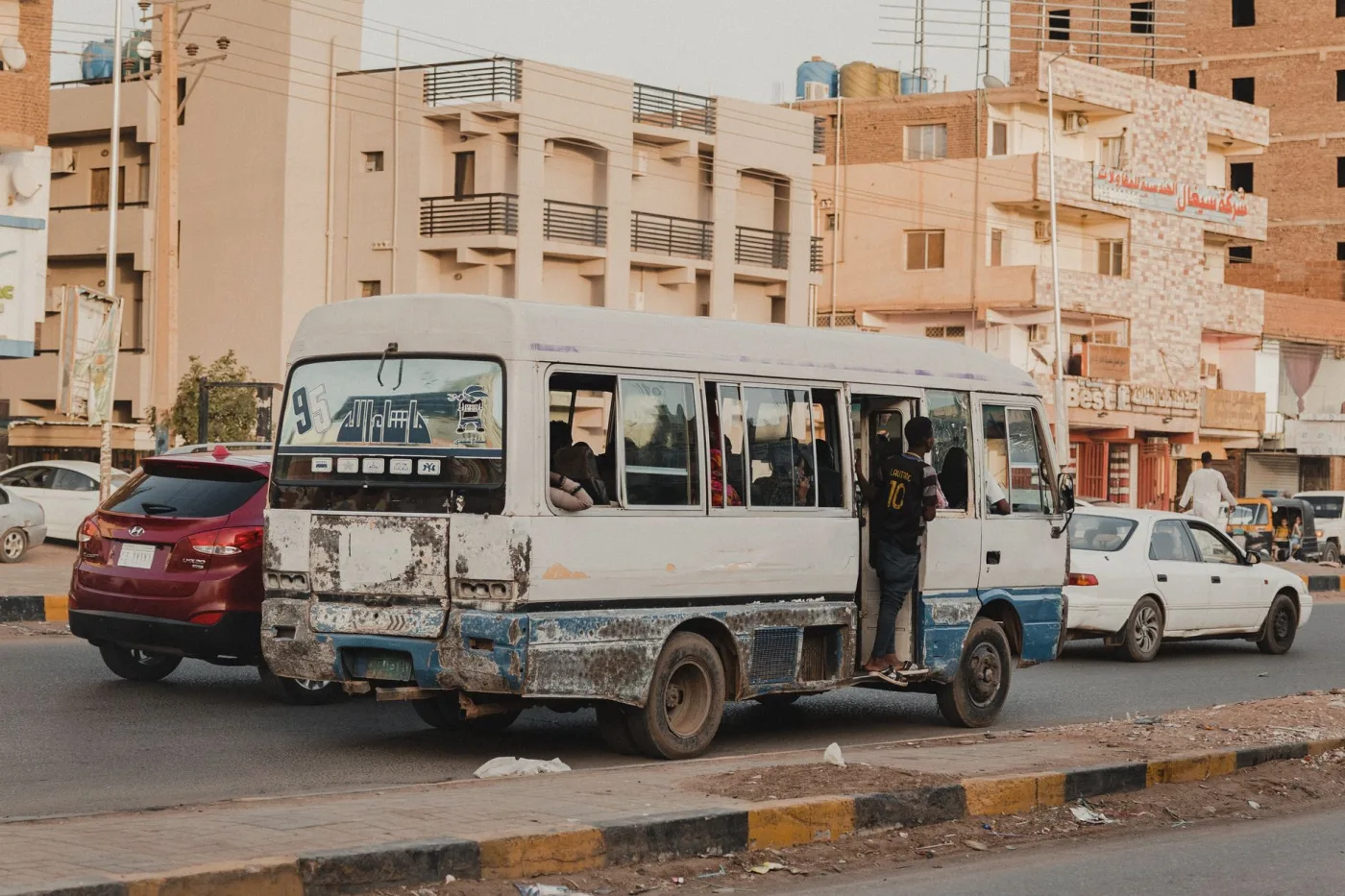
Cameroon's cities, such as Douala and Yaoundé, are bustling hubs of economic activity. However, rapid urbanization has outpaced infrastructure development, leading to chronic traffic congestion and fragmented transport services. Many commuters rely on informal transport options, which often lack fixed schedules and organized stops. This results in unpredictable wait times, overcrowded vehicles, and inefficient routes. For fleet operators, the lack of structure means vehicles spend more time in traffic, fuel consumption rises, and maintenance costs increase. Addressing these issues requires a systematic approach to route planning and operational management.
Benefits of Organized Stops and Schedules
Organized stops and schedules bring order to urban mobility. By designating specific pickup and drop-off points, operators can reduce random stopping, which is a major cause of traffic delays. Schedules provide predictability, allowing commuters to plan their journeys and reducing wait times. For fleet operations, this translates to optimized routes, lower fuel consumption, and better vehicle utilization. Moreover, organized stops enhance safety by minimizing sudden stops and reducing the risk of accidents. Drivers can adhere to routes more easily, and monitoring becomes more straightforward.
Improved Efficiency and Reduced Costs
When routes are planned with organized stops, vehicles follow a more direct path, reducing travel time and fuel usage. This efficiency lowers operational costs, which is crucial for maintaining income-generating vehicles. Additionally, consistent schedules allow for better maintenance planning, as vehicles can be serviced during off-peak hours without disrupting service.
Enhanced Passenger Experience
Commuters appreciate reliability. Knowing that a vehicle will arrive at a specific stop at a scheduled time builds trust and encourages ridership. This is particularly important in urban areas where alternative transport options may be unreliable. A positive passenger experience also reduces stress for drivers, contributing to safer driving and better driver discipline.
Practical Steps for Effective Route Planning
Implementing organized stops and schedules requires careful planning. Here are practical steps for fleet operators in Cameroon:
1. Conduct a Demand Assessment
Identify high-demand areas by analyzing commuter patterns. Use surveys, mobile data, or manual counts to determine where people gather and their travel times. This data helps in placing stops where they are most needed.
2. Design Routes with Clear Stops
Map out routes that connect key locations such as residential areas, business districts, schools, and markets. Ensure stops are spaced appropriately—close enough for convenience but far enough to maintain efficiency. Consider road conditions and traffic flow to avoid bottlenecks.
3. Set Realistic Schedules
Develop schedules based on average travel times, accounting for peak hours. Use historical data and driver feedback to set achievable timetables. Build in buffer times for unexpected delays to maintain reliability.
4. Communicate with Commuters
Inform the public about new stops and schedules through signage, social media, and local radio. Clear communication reduces confusion and encourages adoption.
5. Monitor and Adjust
Regularly review route performance using reporting tools. Collect data on ridership, punctuality, and feedback. Adjust routes and schedules as needed to improve service.
The Role of Fleet Operations and Driver Monitoring
Organized stops and schedules are only effective if supported by robust fleet operations. This includes maintaining vehicles in good condition, ensuring drivers are well-trained, and using technology for monitoring. Driver monitoring systems can track adherence to routes and schedules, identify risky driving behaviors, and provide feedback for improvement. In Cameroon, where road conditions can be challenging, monitoring helps in proactive maintenance and accident prevention.
Maintenance and Vehicle Condition
Regular maintenance is critical for reliable service. Vehicles that break down disrupt schedules and erode passenger trust. Fleet operators should implement preventive maintenance programs based on mileage and usage. Proper maintenance also extends vehicle lifespan, which is essential for the economic viability of income-generating vehicles.
Reporting for Continuous Improvement
Transparent reporting on operational performance—such as on-time performance, fuel efficiency, and maintenance records—enables data-driven decisions. This reporting is valuable for partners and stakeholders to understand the real-world activity of the fleet. It also helps in identifying areas for improvement and demonstrating accountability.
Case Study: MboaFleet's Approach
MboaFleet, an operational mobility platform in Cameroon, emphasizes organized route planning as part of its fleet operations. By focusing on driver monitoring, maintenance, and reporting, MboaFleet aims to improve urban mobility while ensuring transparency. Partners contribute to income-generating vehicles, and performance depends on real operational factors such as vehicle condition, driver discipline, and demand. MboaFleet's model is not a financial product but a mobility project that relies on operational excellence.
Conclusion
Organized stops and schedules are fundamental to improving urban mobility in Cameroon. They bring efficiency, reduce costs, and enhance the commuter experience. By implementing practical route planning strategies and supporting them with strong fleet operations, driver monitoring, and maintenance, operators can create a reliable transport system. To learn more about how MboaFleet's operational model supports these goals, we invite you to explore our platform and understand our approach to transparent, activity-based mobility projects.
Disclaimer: This content is for informational purposes only and does not constitute an investment offer or financial advice.