Introduction: Why Seasonal Maintenance Matters in Tropical Climates
Operating a fleet in Cameroon means navigating a tropical climate that is as demanding as it is beautiful. High humidity, intense heat, and seasonal downpours can take a toll on vehicles, affecting everything from engine performance to electrical integrity. For mobility platforms like MboaFleet, where operational efficiency depends on real-world factors—vehicle condition, driver discipline, and proactive maintenance—a seasonal maintenance checklist is not just a nice-to-have; it is a necessity.
In this guide, we outline a practical, step-by-step maintenance routine tailored to tropical conditions. Whether you manage a small fleet or coordinate dozens of vehicles, these checks will help minimize breakdowns, extend vehicle life, and keep your operations running smoothly.
Understanding the Tropical Operating Environment
Cameroon’s climate varies from the humid coastal region around Douala to the drier northern savannahs. However, most urban mobility operations face a common set of challenges: high ambient temperatures, heavy rainfall (especially from June to September), and dust during the dry season. These factors accelerate wear and tear on critical components, making regular and seasonal checks essential.
For MboaFleet partners, vehicle availability is the backbone of income generation. A well-maintained vehicle not only reduces costly repairs but also ensures that drivers can operate safely and consistently, which directly influences operational performance.
Essential Seasonal Maintenance Checklist
1. Cooling System and Engine Health
In tropical heat, engine cooling is paramount. Overheating can lead to catastrophic failures and extended downtime.
- Check coolant levels: Ensure the radiator is filled with the correct coolant mixture (typically 50/50 water and antifreeze) to prevent boiling and corrosion.
- Inspect hoses and belts: Look for cracks, leaks, or signs of wear. Replace any that are brittle or frayed.
- Clean the radiator fins: Dust and debris can clog the radiator, reducing airflow. Use compressed air or a gentle water spray to clear them.
- Test the thermostat: A faulty thermostat can cause overheating or slow warm-up. Replace if it does not open and close properly.
2. Electrical System and Battery Care
Humidity is a silent enemy of electrical components. Corrosion and moisture can lead to starting failures and intermittent faults.
- Inspect battery terminals: Clean any corrosion with a wire brush and apply a protective grease.
- Check battery charge: Use a multimeter to ensure the battery holds a charge. In tropical heat, batteries lose electrolyte faster—top up with distilled water if needed.
- Examine wiring and connectors: Look for exposed wires or loose connections, especially in engine bay and underbody areas.
- Test all lights: Headlights, indicators, brake lights, and hazard lights must be fully operational for safety, especially during heavy rains.
3. Tires and Suspension
Road conditions in Cameroon can be challenging, with potholes and uneven surfaces. Proper tire care is critical for safety and fuel efficiency.
- Check tire pressure: Under-inflated tires increase fuel consumption and wear. Adjust to the manufacturer’s recommended PSI, checking when tires are cold.
- Inspect tread depth: Use a tread depth gauge. Tires below 1.6mm are unsafe and should be replaced immediately.
- Rotate tires: Rotate every 5,000 to 7,000 km to ensure even wear.
- Inspect suspension components: Listen for unusual noises over bumps and check for leaks in shock absorbers.
4. Brakes and Safety Systems
Brakes are your first line of defense. In wet conditions, they must be reliable.
- Check brake pads and discs: Look for thickness and signs of scoring. Replace pads if they are below the minimum thickness.
- Test brake fluid: Ensure the level is within the recommended range and that the fluid is not dark or contaminated.
- Inspect brake lines: Look for cracks or leaks, especially where lines connect to calipers.
- Verify ABS function: If the ABS warning light is on, have the system diagnosed immediately.
5. Air Conditioning and Ventilation
In tropical heat, a functioning AC system is not just a comfort—it affects driver alertness and passenger satisfaction.
- Check refrigerant levels: Low refrigerant can reduce cooling efficiency. Have the system serviced if it is not blowing cold air.
- Replace cabin air filter: A clogged filter restricts airflow and can harbor mold. Replace every 10,000 to 15,000 km.
- Clean condenser coils: Dust and debris on the condenser reduce heat exchange. Gently clean with a soft brush.
6. Wiper Blades and Visibility
Heavy rains demand clear visibility. Neglected wipers can turn a light shower into a dangerous situation.
- Inspect wiper blades: Look for cracks or splits. Replace if they streak or skip.
- Fill washer fluid: Use a good quality washer fluid with a cleaning agent to remove bugs and grime.
- Check windshield for chips: Small chips can become cracks under thermal stress. Repair them early to avoid replacement.
7. Body and Underbody Protection
Salt, mud, and moisture can accelerate rust and corrosion.
- Wash undercarriage: After driving through muddy or salty areas, rinse the underbody to remove corrosive materials.
- Inspect for rust: Pay attention to wheel wells, door sills, and frame areas. Treat minor rust spots with a rust converter.
- Apply protective coating: Consider an underbody sealant to protect against moisture and debris.
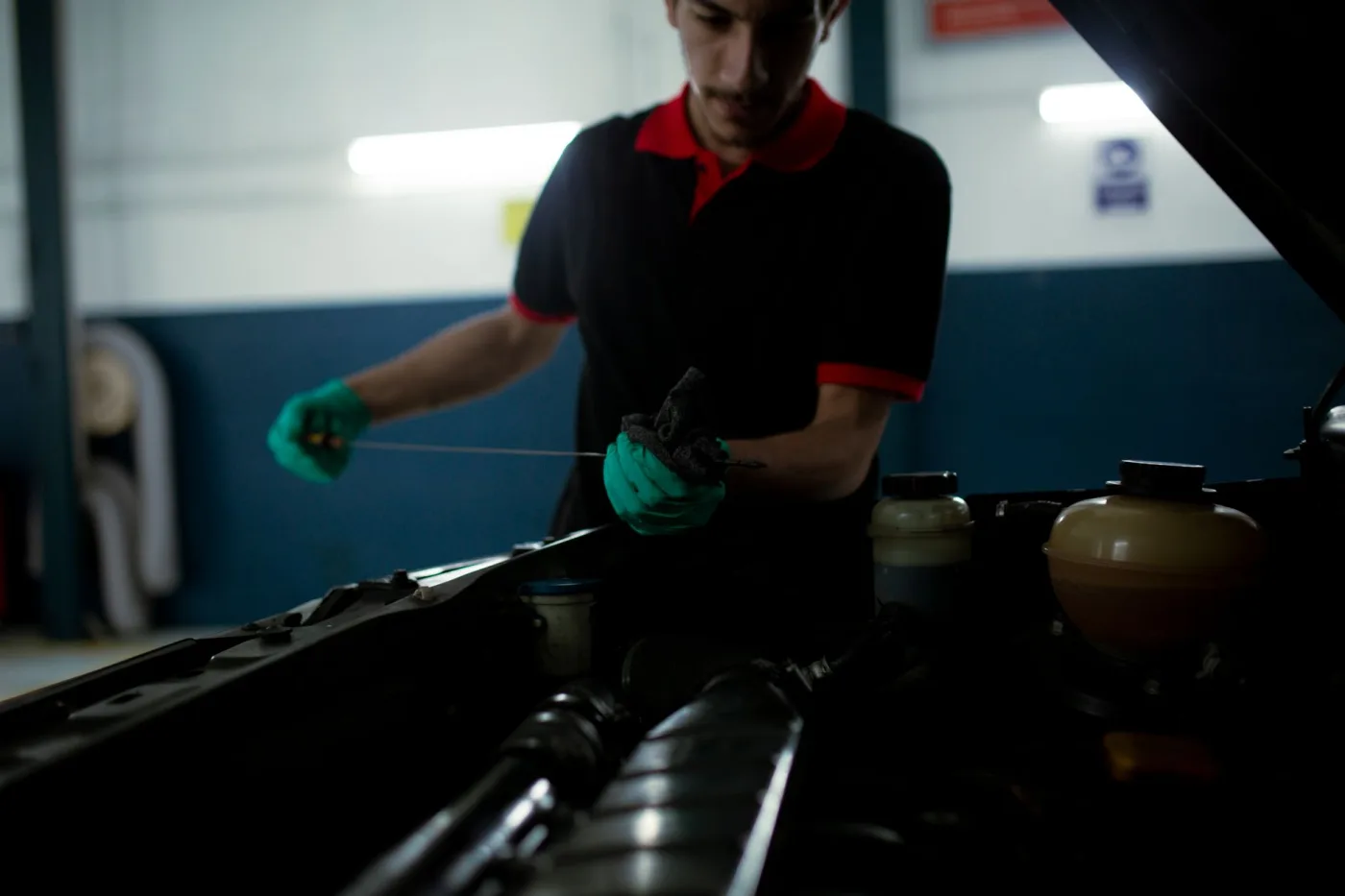
8. Fluids and Lubricants
Regular fluid checks are the simplest way to prevent major issues.
- Engine oil: In tropical heat, oil degrades faster. Follow the manufacturer’s interval, but consider changing it more frequently if you operate in dusty conditions.
- Transmission fluid: Check level and color. Dark or burnt-smelling fluid indicates a need for a change.
- Power steering and brake fluid: Top up as needed and look for leaks.
- Windshield washer fluid: As mentioned, keep it full.
The Role of Driver Monitoring and Reporting
Maintenance is not just a mechanical task; it is a team effort. At MboaFleet, we emphasize the importance of driver monitoring and transparent reporting to ensure that every vehicle is operating at its best. Drivers are trained to perform daily pre-trip inspections and report any issues immediately. This proactive approach allows our maintenance teams to address small problems before they become costly breakdowns.
Our platform captures operational data—such as fuel consumption, idle times, and trip distances—which helps identify vehicles that may need extra attention. For example, a sudden drop in fuel efficiency could indicate a maintenance issue that is not yet visible. By integrating driver feedback with telematics, we create a comprehensive maintenance schedule that adapts to real-world conditions.
Seasonal Adjustments for the Rainy Season
When the rains arrive, extra precautions are necessary:
- Test the defroster: It is essential for clearing fogged windshields.
- Check tire tread more frequently: Worn tires are dangerous on wet roads.
- Inspect door seals: Leaky seals can cause water ingress, leading to electrical issues and mold.
- Ensure proper drainage: Clear any blocked drains in the vehicle’s body to prevent water accumulation.
Conclusion: A Proactive Approach to Fleet Reliability
In tropical climates like Cameroon, a seasonal maintenance checklist is a vital tool for any fleet operator. By staying ahead of wear and tear, you reduce downtime, extend vehicle life, and ensure that your operations remain efficient and safe. At MboaFleet, we believe that operational performance is built on a foundation of meticulous maintenance, driver discipline, and transparent reporting.
If you are interested in learning more about how MboaFleet supports its partners with operational tools, maintenance guidance, and real-time reporting, we invite you to explore our model. Understand how we work together to create sustainable mobility solutions in Cameroon—one vehicle at a time.
Disclaimer: This content is for informational purposes only and does not constitute an investment offer or financial advice. Vehicle performance and income generation depend on real operational factors, including maintenance, driver behavior, demand, and market conditions.