Introduction
Operating a fleet in Cameroon presents unique challenges, especially when it comes to maintaining vehicles in a tropical climate. The combination of high humidity, intense heat, heavy rainfall, and dusty conditions can take a toll on your vehicles if you don't follow a disciplined maintenance routine. For fleet operators, whether you manage a small fleet or a large operation, seasonal maintenance is not just about keeping vehicles running—it's about ensuring safety, maximizing operational performance, and reducing unexpected downtime.
At MboaFleet, we understand the importance of proactive vehicle care. Our platform is designed to support fleet operations with transparent reporting, driver monitoring, and maintenance tracking. In this article, we provide a comprehensive seasonal maintenance checklist tailored for Cameroon's tropical environment, helping you protect your fleet and ensure smooth operations year-round.
Understanding Cameroon's Tropical Climate
Cameroon has a diverse climate, but the majority of the country experiences a tropical pattern with distinct wet and dry seasons. The dry season typically runs from November to March, characterized by high temperatures and low humidity, often leading to dusty conditions. The wet season, from April to October, brings heavy rainfall, high humidity, and sometimes flooding, especially in urban areas like Douala and Yaoundé.
These seasonal shifts affect vehicle components in different ways. During the dry season, dust can clog air filters and damage engines. In the wet season, water can cause rust, electrical issues, and reduced braking efficiency. Therefore, a seasonal maintenance plan is essential to address these specific challenges and keep your fleet in optimal condition.
The Importance of Seasonal Maintenance for Fleet Operations
Regular maintenance is the backbone of any successful fleet operation. It directly impacts vehicle availability, safety, and overall operational performance. In a tropical climate, the risks are amplified, making seasonal checks even more critical. By following a structured maintenance schedule, you can:
- Reduce the likelihood of breakdowns and costly repairs.
- Extend the lifespan of your vehicles.
- Improve fuel efficiency, which lowers operational costs.
- Ensure the safety of drivers and other road users.
- Maintain high vehicle availability, which is crucial for meeting demand.
Moreover, for platforms like MboaFleet, where income-generating vehicles are central to economic participation, keeping vehicles in top condition is vital. Vehicle downtime not only affects operational performance but also the variable activity-based revenue that partners may earn. Thus, maintenance is not just a technical task—it's a business imperative.
Seasonal Maintenance Checklist: Dry Season (November to March)
The dry season in Cameroon brings intense heat and dusty air. Here are the key maintenance tasks to prioritize:
Air Filtration and Engine Protection
- Inspect and replace air filters: Dust and sand can clog filters quickly. Check them monthly and replace if necessary to protect the engine from abrasive particles.
- Check engine oil and coolant: High temperatures can cause oil to degrade faster. Ensure oil levels are correct and use the recommended viscosity for hot climates. Also, check coolant levels to prevent overheating.
- Clean the radiator and condenser: Dust buildup on the radiator reduces cooling efficiency. Use compressed air or a gentle water spray to remove debris.
Electrical System and Battery Care
- Test battery health: Heat can accelerate battery fluid evaporation and cause corrosion on terminals. Clean terminals and ensure the battery is securely mounted. Test the charge regularly.
- Inspect wiring and connectors: Look for cracked insulation or loose connections, which can lead to electrical failures.
Tire Maintenance
- Check tire pressure weekly: Hot roads increase tire pressure, which can lead to blowouts. Always maintain the manufacturer's recommended pressure.
- Inspect tire tread and condition: Dust and heat can cause premature wear. Look for uneven wear or cracks in the sidewalls.
Air Conditioning System
- Service the A/C system: The dry season often means heavy A/C usage. Check refrigerant levels, clean the condenser, and replace cabin air filters to ensure efficient cooling.
- Inspect belts and hoses: Heat can cause rubber components to crack. Check for signs of wear and replace as needed.
Seasonal Maintenance Checklist: Wet Season (April to October)
The wet season brings heavy rains and high humidity, creating different challenges. Focus on these areas:
Braking System
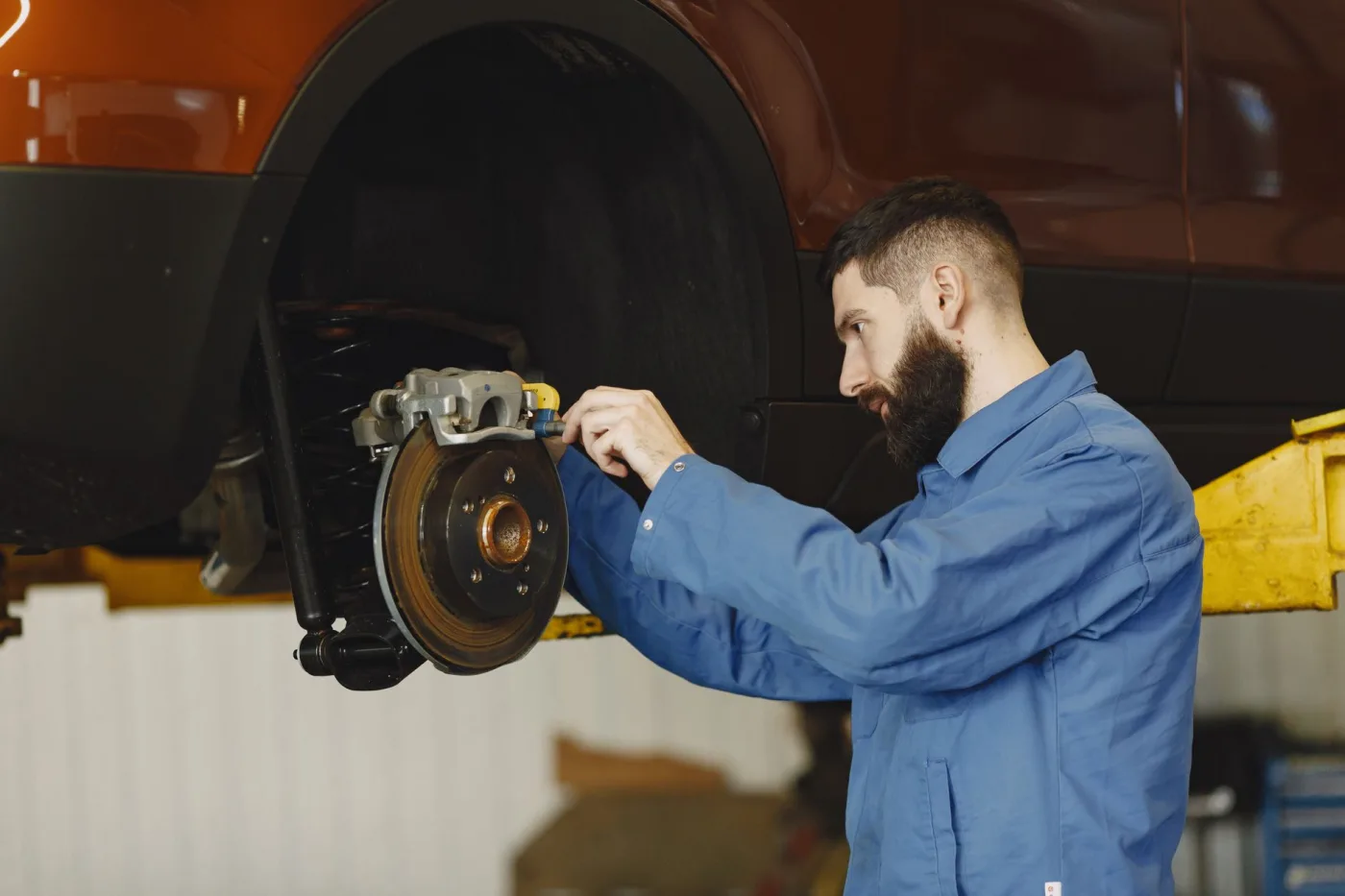
- Inspect brake pads and discs: Water exposure can reduce braking efficiency. Check for wear and ensure brakes are responsive.
- Check brake fluid: Moisture can contaminate brake fluid, reducing its effectiveness. Test fluid quality and replace if needed.
Electrical and Lighting
- Test all lights: Visibility is crucial during rain. Ensure headlights, taillights, and indicators are working properly.
- Check for water ingress: Look for leaks around doors, windows, and the trunk. Water can damage electrical components and cause rust.
- Protect electrical connections: Apply dielectric grease to connectors to prevent corrosion.
Body and Chassis Protection
- Wash and wax the vehicle: Regular washing removes mud and salt (if near coastal areas) that can cause rust. Waxing provides a protective layer.
- Inspect underbody: Look for signs of rust or damage from debris. Consider applying an anti-rust coating.
Wipers and Visibility
- Replace wiper blades: Worn blades leave streaks and reduce visibility. Replace them at the start of the wet season.
- Fill windshield washer fluid: Use a fluid with anti-bacterial properties to prevent algae growth in the reservoir.
Engine and Fuel System
- Check fuel lines for leaks: Humidity can cause condensation in fuel tanks. Use a fuel additive to remove moisture and keep the system clean.
- Inspect the exhaust system: Water can accelerate corrosion. Look for rust or holes and replace parts as necessary.
Year-Round Maintenance Essentials
While seasonal checks are important, certain maintenance tasks should be performed consistently throughout the year:
- Regular oil changes: Follow the manufacturer's schedule, but consider more frequent changes in tropical climates due to heat and humidity.
- Fluid level checks: Monitor engine oil, coolant, brake fluid, power steering fluid, and transmission fluid monthly.
- Tire rotation and alignment: Rotate tires every 5,000–7,000 kilometers to ensure even wear.
- Driver monitoring and reporting: Encourage drivers to report any unusual noises, vibrations, or warning lights immediately. Use telematics data to track vehicle health and driving behavior.
Leveraging Technology for Maintenance Management
In today's digital age, fleet operators can use technology to streamline maintenance processes. Platforms like MboaFleet offer tools for scheduling maintenance, tracking vehicle history, and monitoring driver behavior. By digitizing your maintenance records, you can:
- Set automatic reminders for upcoming services.
- Analyze maintenance costs and identify recurring issues.
- Ensure compliance with safety standards.
- Improve transparency and accountability among drivers.
Additionally, driver monitoring can help identify aggressive driving patterns that accelerate wear and tear. By providing feedback and training, you can reduce maintenance costs and enhance safety.
Conclusion
Seasonal maintenance is not just a recommendation—it's a necessity for fleet operators in Cameroon's tropical climate. By following this checklist, you can protect your vehicles, ensure safety, and maintain high operational performance. Remember, a well-maintained fleet is more reliable, more efficient, and more profitable in the long run.
At MboaFleet, we are committed to supporting fleet operators with practical tools and resources. Our platform helps you manage maintenance, monitor drivers, and make informed decisions based on real-time data. We believe that transparency and proactive care are the keys to successful fleet operations.
If you're interested in learning more about how MboaFleet can assist you in optimizing your fleet operations, we invite you to explore our model. We focus on real-world activities and operational performance, ensuring that all participants understand the factors that influence outcomes. Visit our website to discover how we can work together to build a resilient and efficient mobility ecosystem in Cameroon.
Disclaimer: This content is for informational purposes only and does not constitute an investment offer or financial advice. Always consult with a qualified professional for specific guidance related to your fleet operations.