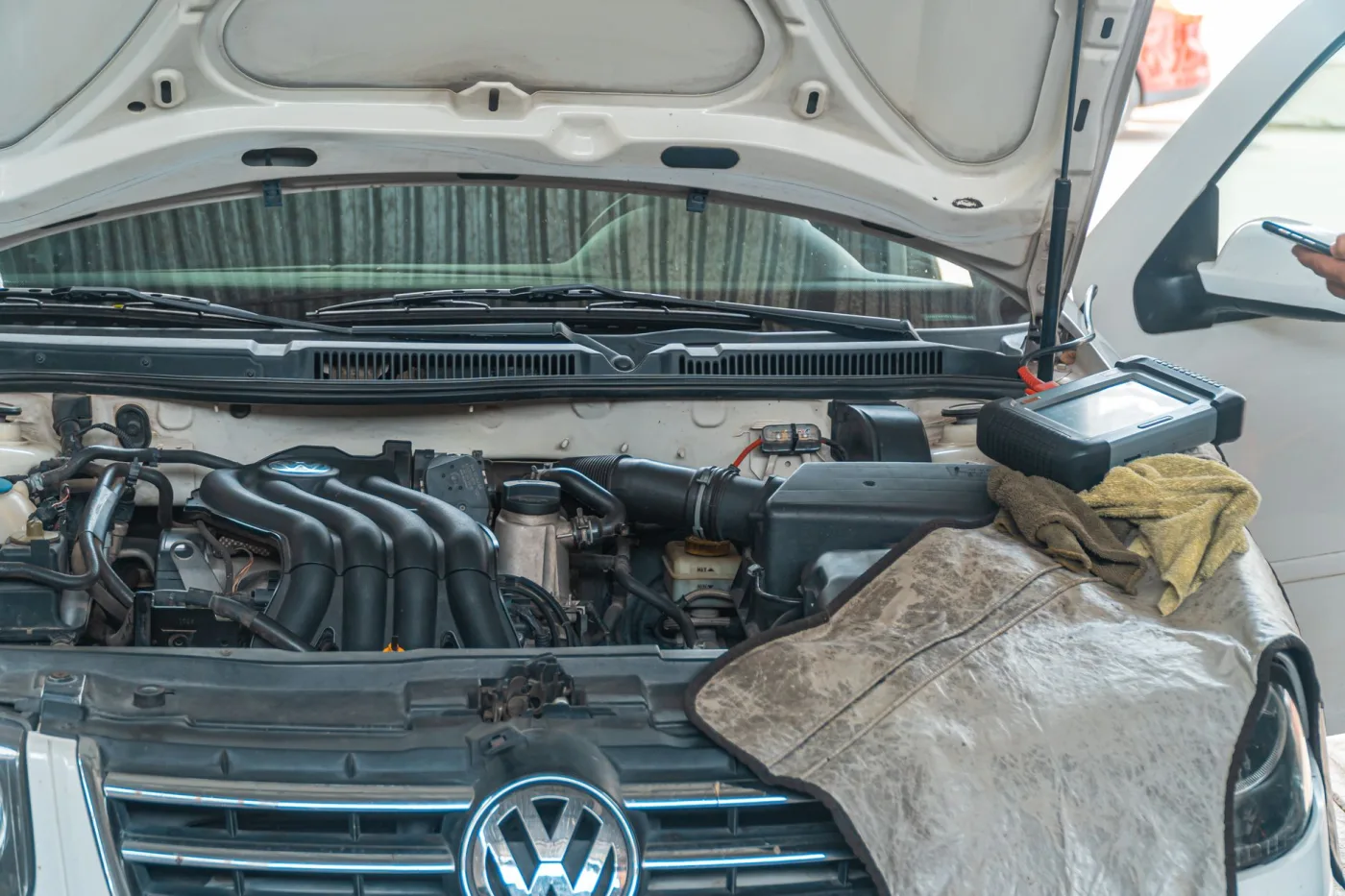
Seasonal Vehicle Care: Preparing Your Fleet for the Rainy Season in Cameroon
In Cameroon, the rainy season is a period of heightened challenge for any mobility operation. Heavy downpours, flooded roads, and reduced visibility can disrupt schedules, increase wear and tear, and compromise safety. For fleet operators, whether managing a handful of vehicles or a larger network, preparing for the rains is not just about avoiding breakdowns—it's about maintaining reliable service, protecting assets, and ensuring drivers can operate safely. This article provides practical, educational guidance on getting your fleet ready for the rainy season, with a focus on maintenance, driver monitoring, and operational transparency.
Why the Rainy Season Demands Special Attention
Cameroon's rainy season varies by region, but in many urban centers like Douala and Yaoundé, it can last for months, bringing intense and unpredictable weather. For fleet operations, this means:
- Increased accident risk: Wet roads reduce traction, and potholes hidden by water can cause damage.
- Higher maintenance needs: Water intrusion, corrosion, and brake wear accelerate.
- Service disruptions: Flooded routes and traffic congestion can delay trips.
- Driver fatigue: Stressful conditions require more frequent breaks and careful scheduling.
Proactive preparation can mitigate these risks, ensuring your vehicles remain income-generating assets and your operations stay on track.
1. Conduct a Pre-Rainy Season Inspection
Before the first heavy rains, schedule a comprehensive inspection for every vehicle in your fleet. This should cover:
- Tires: Check tread depth and pressure. Worn tires are dangerous on wet roads. Consider switching to tires with good water evacuation capabilities.
- Brakes: Ensure brake pads and discs are in good condition. Wet brakes can lose efficiency.
- Wipers and lights: Replace worn wiper blades and check that all lights (headlights, brake lights, indicators) work properly.
- Battery and electrical system: Moisture can cause electrical faults. Test the battery and ensure connections are clean and secure.
- Fluids: Top up brake fluid, coolant, and engine oil. Check for leaks.
- Underbody and exhaust: Look for rust or damage that could worsen with water exposure.
Documenting these inspections is part of good fleet maintenance and supports transparent reporting.
2. Prioritize Preventive Maintenance
Preventive maintenance is always important, but during the rainy season, it becomes critical. Establish a routine that includes:
- Regular washing: Mud and dirt can hide damage and accelerate corrosion. Wash vehicles frequently, especially the undercarriage.
- Brake checks: Inspect brakes more often, as wet conditions increase wear.
- Air filter replacement: Humid air can clog filters; replace them as needed.
- Battery care: Keep terminals clean and check charge levels regularly.
Using a maintenance tracking system helps ensure no task is overlooked and provides a clear record of vehicle condition—an essential part of operational transparency.
3. Adapt Driver Behavior and Monitoring
Even the best-maintained vehicle can be unsafe in the hands of a careless driver. Driver monitoring is a cornerstone of fleet safety, especially in adverse weather. Here's how to prepare your drivers:
- Training: Conduct refresher sessions on wet-weather driving techniques, such as increasing following distance, avoiding sudden braking, and navigating flooded roads cautiously.
- Speed management: Emphasize reduced speeds. Use telematics or periodic checks to monitor adherence.
- Vehicle checks: Encourage drivers to perform daily pre-trip inspections and report any issues immediately.
- Rest breaks: Fatigue impairs judgment. Schedule regular breaks, especially on long routes.
- Communication: Maintain open channels for drivers to report hazards, delays, or mechanical problems.
Effective driver monitoring not only improves safety but also reduces vehicle abuse, lowering maintenance costs and extending vehicle lifespan.
4. Plan Routes and Schedules with Flexibility
Rainy season conditions can change rapidly. Fleet operations should be agile enough to adapt:
- Identify flood-prone areas: Map alternative routes to avoid known trouble spots.
- Build buffer time: Add extra time to schedules to account for delays.
- Monitor weather forecasts: Use reliable sources to anticipate heavy rain and adjust plans accordingly.
- Communicate with clients: If delays are unavoidable, inform customers promptly to manage expectations.
Flexibility helps maintain service reliability, which is vital for partner satisfaction and the overall performance of income-generating vehicles.
5. Enhance Safety Equipment
Ensure each vehicle is equipped with essential safety items:
- Emergency kit: Include a first-aid kit, flashlight, reflective triangles, and a basic tool set.
- Rain gear: Provide drivers with raincoats and umbrellas for when they need to exit the vehicle.
- Communication devices: Ensure drivers have charged mobile phones or two-way radios.
- Spare tire: Check that spare tires are properly inflated and accessible.
These preparations can make a significant difference in emergency situations.
6. Maintain Transparent Reporting
Transparency is a core principle of professional fleet management. During the rainy season, accurate reporting becomes even more important. Keep detailed records of:
- Maintenance activities: What was done, when, and by whom.
- Incidents and near-misses: Document any accidents or close calls to identify patterns and improve safety.
- Driver performance: Track adherence to safety protocols and provide feedback.
- Operational costs: Monitor fuel, repairs, and downtime to assess the impact of seasonal conditions.
Such reporting not only supports informed decision-making but also demonstrates to partners that their contributions are managed responsibly.
7. Prepare for Post-Rain Recovery
After the rainy season, conduct a thorough review and maintenance check. Address any damage, replace worn parts, and update your maintenance schedule. Use the experience to refine your rainy season preparedness for the next year.
Conclusion: Proactive Care Pays Off
Preparing your fleet for Cameroon's rainy season is an investment in safety, reliability, and operational efficiency. By focusing on preventive maintenance, driver monitoring, flexible planning, and transparent reporting, you can protect your vehicles and ensure they continue to serve as income-generating assets. At MboaFleet, we believe in the power of well-managed mobility operations. Our platform supports partners by organizing participation around real-world vehicle activity, with a strong emphasis on maintenance, driver discipline, and clear reporting. If you're interested in learning more about how MboaFleet approaches fleet operations and economic participation, we invite you to explore our model further.
Disclaimer: This content is for informational purposes only and does not constitute an investment offer or financial advice.