Introduction: Why the Rainy Season Demands Extra Attention
Cameroon's rainy season, typically spanning from June to September, transforms urban roads into challenging environments. Heavy downpours, flash floods, and slippery surfaces increase the risk of breakdowns and accidents. For fleet operators and partners involved in income-generating vehicles, this period tests the reliability of every asset. At MboaFleet, we emphasize that operational performance depends on real-world factors: vehicle condition, driver discipline, and proactive maintenance. Preparing your fleet ahead of the rains is not just a good practice—it's essential for safety, uptime, and continued mobility services.
Understanding the Impact of Rain on Vehicle Performance
Rain affects every component of a vehicle, from tires to electrical systems. Water reduces tire grip, increasing stopping distances and the risk of hydroplaning. Visibility drops, making headlights and wipers critical. Moisture can infiltrate electrical connections, causing intermittent failures. Brakes may lose effectiveness when wet, and undercarriage exposure to water accelerates corrosion. For fleet managers, these issues translate into higher maintenance costs and unplanned downtime. By conducting seasonal checks, you can mitigate these risks and maintain a dependable fleet.
Key Areas to Inspect Before the Rains Arrive
A thorough pre-rain inspection should cover several critical areas. Below is a practical checklist that every fleet operator should implement:
- Tires: Check tread depth (at least 1.6 mm, but 3 mm is safer for rain), ensure proper inflation, and look for cracks or bulges. Good tread channels water away and prevents aquaplaning.
- Brakes: Inspect brake pads, discs, and fluid levels. Wet conditions require responsive brakes; any sponginess or noise should be addressed immediately.
- Wipers and Washers: Replace worn wiper blades and top up washer fluid. Clear visibility is non-negotiable during heavy rain.
- Lights: Test all headlights, taillights, brake lights, and indicators. Dirty or dim lights reduce your visibility to other road users.
- Electrical System: Check battery terminals for corrosion, ensure connections are sealed, and test the alternator. Moisture can cause shorts, so consider dielectric grease on connectors.
- Cooling System: Even in rain, engines can overheat if the cooling system is faulty. Check coolant levels and hoses for leaks.
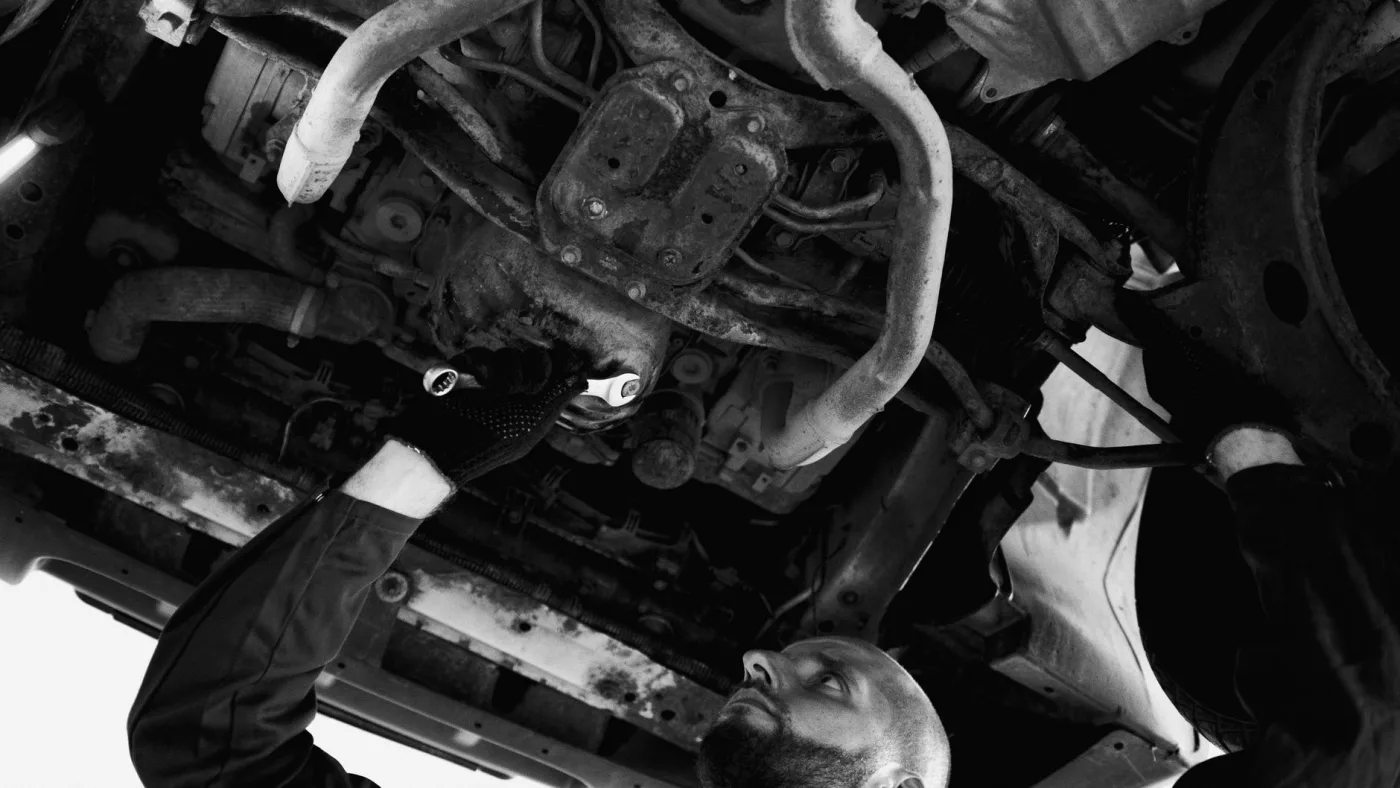
- Undercarriage: Inspect for rust or damage, and apply protective coatings if necessary. Salt and water accelerate corrosion, so a clean undercarriage is vital.
- Windshield: Look for chips or cracks that can worsen with temperature changes and stress. Repair any damage promptly.
Maintenance Strategies for Rainy Season Reliability
Beyond the pre-season check, ongoing maintenance is crucial. Establish a preventive maintenance schedule that includes regular oil changes, filter replacements, and fluid top-ups. Pay special attention to the following:
- Lubrication: Ensure all moving parts, especially suspension and steering components, are properly lubricated to resist water ingress.
- Air Intake: Verify that the air intake is clear and that filters are clean. Water ingestion can cause severe engine damage, so avoid driving through deep puddles.
- Seals and Gaskets: Check door and window seals to prevent water leaks that can lead to mold and electrical issues.
- Battery Health: A weak battery is more likely to fail in cold, damp conditions. Test the battery's charge and replace it if it's older than three years.
- Air Conditioning: Rain increases humidity, causing windows to fog. Ensure the AC and defroster work efficiently to maintain clear visibility.
The Role of Driver Monitoring and Training
Vehicle checks are only half the battle. Driver behavior plays a significant role in safety and vehicle longevity. During the rainy season, drivers must adapt their techniques:
- Reduce Speed: Wet roads reduce traction; slower speeds give more reaction time.
- Increase Following Distance: Allow at least double the usual gap to account for longer stopping distances.
- Avoid Sudden Maneuvers: Brake and accelerate gently to prevent skidding.
- Use Headlights: Turn on headlights in rain, even during the day, to increase visibility.
- Plan Routes: Avoid known flood-prone areas and check real-time traffic updates.
MboaFleet's driver monitoring systems provide valuable insights into driving patterns, such as harsh braking or speeding. This data allows fleet managers to offer targeted training, reinforcing safe habits. By combining vehicle maintenance with driver discipline, you reduce the risk of accidents and breakdowns, ensuring consistent operations.
Reporting and Transparency: Tracking Performance During the Season
Accurate reporting is essential for understanding how the rainy season affects your fleet. At MboaFleet, we believe that transparency in operations builds trust between partners and operators. Use telematics and maintenance logs to track:
- Vehicle Availability: Record days when vehicles are off the road due to weather-related issues.
- Maintenance Costs: Monitor expenses for repairs and parts to identify trends and budget effectively.
- Driver Performance: Analyze scores related to safe driving and adherence to schedules.
- Demand Patterns: Note how mobility demand fluctuates during heavy rains—some areas may see increased need, while others become inaccessible.
These reports not only help in immediate decision-making but also inform long-term strategies. For example, if certain routes consistently flood, you might adjust schedules or invest in vehicles with higher ground clearance. Transparent reporting ensures that all partners understand the real operational factors affecting revenue, without any promises of fixed outcomes.
Practical Tips for Fleet Operators in Cameroon
Based on our experience in Douala, Yaoundé, and other Cameroonian cities, here are actionable tips to implement:
- Schedule Inspections Early: Don't wait for the first heavy rain. Book your fleet for a comprehensive check at least two weeks before the season starts.
- Stock Essential Spares: Keep wiper blades, bulbs, fuses, and tire repair kits on hand to minimize downtime.
- Establish Emergency Protocols: Have a clear plan for breakdowns during floods, including towing contacts and communication channels.
- Communicate with Partners: Keep vehicle owners informed about maintenance needs and operational changes. Transparency fosters cooperation.
- Leverage Technology: Use GPS tracking and fleet management software to monitor vehicles in real time and reroute when necessary.
- Encourage Feedback: Drivers are your eyes on the road. Encourage them to report hazards or vehicle issues immediately.
The Economic Angle: Protecting Your Income-Generating Asset
For partners participating in MboaFleet's mobility projects, the vehicle is more than a machine—it's an income-generating asset. Its operational performance directly influences variable, activity-based revenue. A well-maintained vehicle stays on the road longer, serves more passengers, and incurs fewer unexpected costs. Conversely, neglect during the rainy season can lead to extended downtime, expensive repairs, and lost opportunities. By prioritizing seasonal checks, you protect your contribution and ensure that the vehicle remains a reliable source of economic participation.
Conclusion: Stay Ahead of the Rains
Cameroon's rainy season is a formidable test for any fleet. However, with proactive maintenance, diligent driver monitoring, and transparent reporting, you can navigate it safely and efficiently. At MboaFleet, we are committed to supporting our partners with the tools and knowledge needed to maintain operational excellence. Remember, performance in our model is driven by real-world factors—vehicle condition, driver discipline, and maintenance—not by promises of fixed returns. We invite you to learn more about how MboaFleet empowers participants through transparent, operational mobility projects. Together, we can keep Cameroon moving, rain or shine.
Disclaimer: This content is for informational purposes only and does not constitute an investment offer or financial advice.