Why Seasonal Vehicle Checks Matter for Fleets in Cameroon
In Cameroon, the rainy season is not just a change in weather—it is a significant operational factor that affects vehicle performance, driver safety, and overall fleet productivity. In cities like Douala, with its high humidity and heavy rainfall, and Yaoundé, with its hilly terrain and slippery roads, the rainy season can quickly expose weaknesses in vehicle maintenance and driver preparedness.
For fleet operators, whether managing a few income-generating vehicles or a larger mobility project, seasonal checks are essential. They help reduce breakdowns, extend vehicle lifespan, and maintain consistent service. More importantly, they support driver safety and protect the economic participation of partners who rely on these vehicles for their livelihoods.
This article provides a practical guide to preparing your fleet for the rainy season, with a focus on maintenance, driver monitoring, and reporting—core elements of professional fleet operations.
Key Areas to Inspect Before the Rains Intensify
A thorough seasonal check should cover all critical systems. The goal is to identify and fix issues before they become costly problems. Here are the main areas to focus on:
1. Tyres and Tread Depth
Tyres are your first line of defence on wet roads. Worn tyres lose grip quickly, increasing braking distances and the risk of hydroplaning. Check tread depth regularly—a minimum of 1.6mm is legal, but for rainy season conditions, 3mm or more is safer. Also inspect for cracks, bulges, and proper inflation. In Douala, where roads often have standing water, good tyres are non-negotiable.
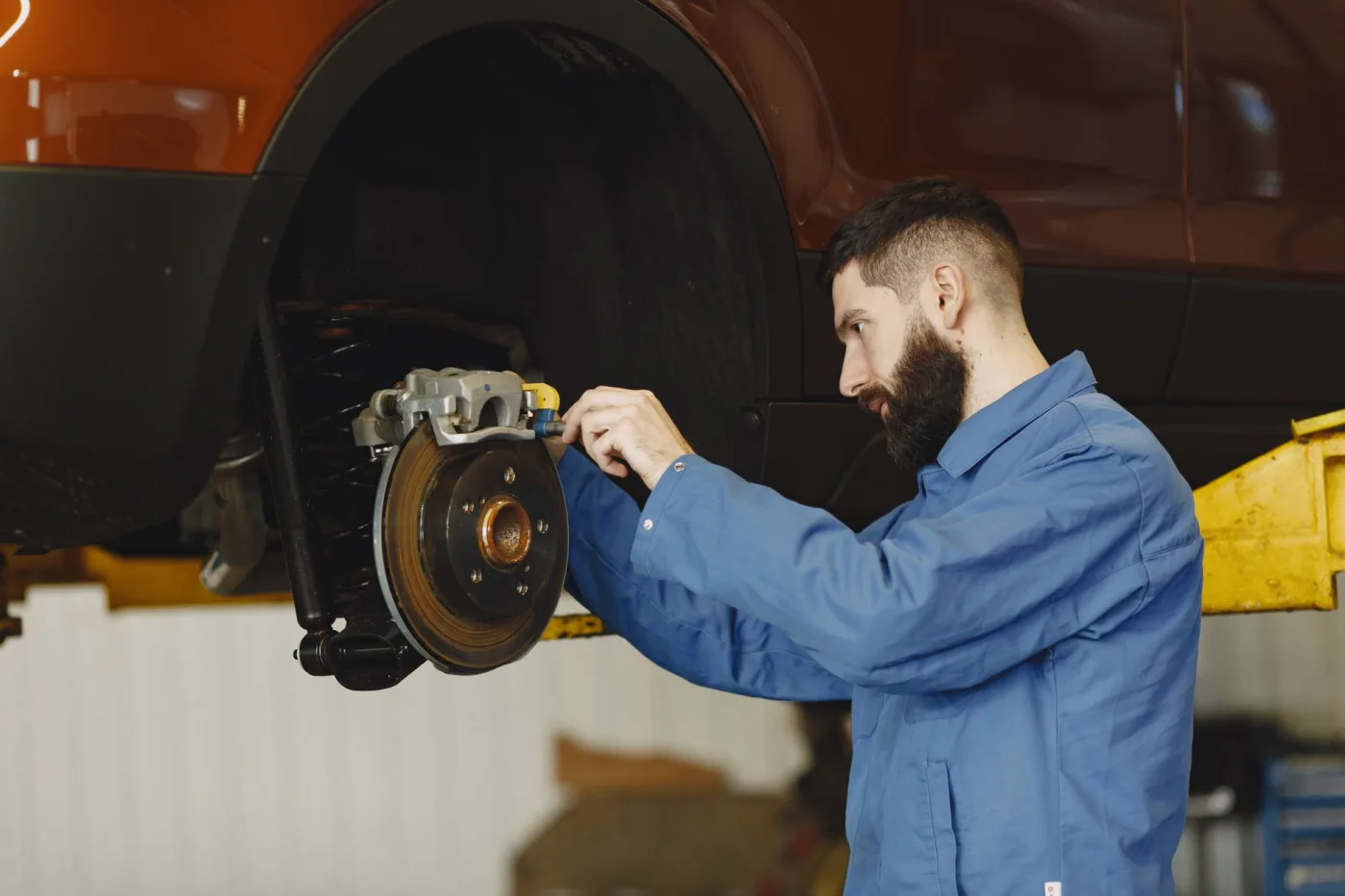
2. Braking System
Wet roads demand responsive brakes. Inspect brake pads, discs, and fluid levels. Any sign of sponginess or reduced response should be addressed immediately. In Yaoundé’s hilly areas, brakes are under constant stress; ensuring they are in top condition is vital for driver and passenger safety.
3. Wipers and Lighting
Visibility is critical. Replace worn wiper blades and ensure washer fluid is topped up. Check all lights—headlights, brake lights, indicators, and fog lights—for proper function. In heavy rain, being seen is as important as seeing.
4. Battery and Electricals
Humidity and moisture can accelerate battery corrosion and electrical faults. Clean battery terminals, check charge levels, and test alternator output. A weak battery can leave a driver stranded in a downpour.
5. Underbody and Rust Protection
Rainwater mixed with mud and salt can accelerate rust. Clean the underbody and apply protective coatings where necessary. This is especially important for vehicles operating in coastal Douala, where salt air adds to the corrosion risk.
6. Fluid Levels and Filters
Check engine oil, coolant, transmission fluid, and brake fluid. Replace air and fuel filters if dirty. Contaminants can affect performance and fuel efficiency, which directly impacts operational costs.
Driver Monitoring: The Human Factor in Rainy Season Operations
Even the best-maintained vehicle can be compromised by poor driving habits. During the rainy season, driver behaviour becomes even more critical. Fleet operators should reinforce safe driving practices through regular monitoring and training.
- Speed management: Encourage drivers to reduce speed on wet roads and maintain safe following distances.
- Smooth braking and steering: Sudden manoeuvres can lead to skids. Train drivers to brake and steer gently.
- Route planning: Advise drivers to avoid flooded areas and known trouble spots. In Douala, certain low-lying zones are prone to flooding; alternative routes should be identified in advance.
- Fatigue management: Rain and traffic can increase stress and fatigue. Ensure drivers take breaks and adhere to working hours.
- Vehicle care: Drivers should report any unusual noises, vibrations, or warning lights immediately.
At MboaFleet, driver monitoring is integrated into our operational platform. We track key metrics and provide feedback to partners, helping to maintain discipline and safety across the fleet. This is not about surveillance—it is about supporting drivers and protecting the economic value of each vehicle.
Maintenance Routines for the Rainy Season
Preventive maintenance is more cost-effective than reactive repairs. During the rainy season, consider adjusting your maintenance schedule to account for increased wear and tear.
- More frequent inspections: Check tyres, brakes, and wipers weekly rather than monthly.
- Regular washing: Mud and grime can hide damage and accelerate corrosion. Wash vehicles frequently, especially the underbody.
- Interior care: Damp interiors can lead to mould and electrical issues. Ensure windows and doors seal properly and use moisture absorbers if needed.
- Emergency kit: Equip each vehicle with a basic kit including a spare tyre, jack, torch, raincoat, and first-aid supplies.
In Yaoundé, where roads can be steep and winding, pay extra attention to suspension and steering components. In Douala, focus on rust prevention and electrical insulation. A tailored maintenance plan based on local conditions is key.
The Role of Reporting and Transparency
Effective fleet operations rely on accurate data. Reporting helps you track vehicle condition, driver performance, and maintenance history. It also provides transparency for partners who have contributed to the mobility project.
At MboaFleet, we emphasise clear reporting on operational performance. This includes:
- Maintenance logs and upcoming service dates.
- Driver behaviour reports, including harsh braking or speeding incidents.
- Fuel consumption and cost trends.
- Vehicle availability and downtime.
By analysing this data, operators can make informed decisions—such as adjusting routes, scheduling repairs, or providing additional driver training. Transparency also builds trust among partners, as they can see how their contribution is being managed and how the vehicle is performing in real-world conditions.
Preparing for the Unexpected
Even with the best preparations, emergencies can happen. Have a plan for breakdowns, accidents, or flooding. This includes:
- A list of emergency contacts, including towing services and repair shops.
- Insurance details and claim procedures.
- Protocols for driver safety and passenger assistance.
- Backup vehicles or alternative arrangements to maintain service.
In Douala and Yaoundé, where traffic can be heavy and road conditions unpredictable, a quick response can minimise disruption and financial impact.
Conclusion: A Proactive Approach to Rainy Season Fleet Management
Preparing your fleet for the rainy season is not just about avoiding breakdowns—it is about protecting your operations, your drivers, and the economic value of your vehicles. By conducting thorough seasonal checks, monitoring driver behaviour, adhering to maintenance schedules, and maintaining transparent reporting, you can navigate the challenges of the rainy season with confidence.
At MboaFleet, we support partners in managing income-generating vehicles through a structured, transparent, and operationally focused approach. Our platform helps organise fleet operations, driver monitoring, and reporting, so that every vehicle can perform reliably—even in difficult conditions.
If you are interested in learning more about how MboaFleet supports mobility projects in Cameroon, we invite you to explore our model and understand how responsible fleet management can contribute to sustainable urban mobility.
Disclaimer: This content is for informational purposes only and does not constitute an investment offer or financial advice. Performance depends on real operational factors including vehicle condition, driver discipline, maintenance, demand, costs, availability, and reporting.