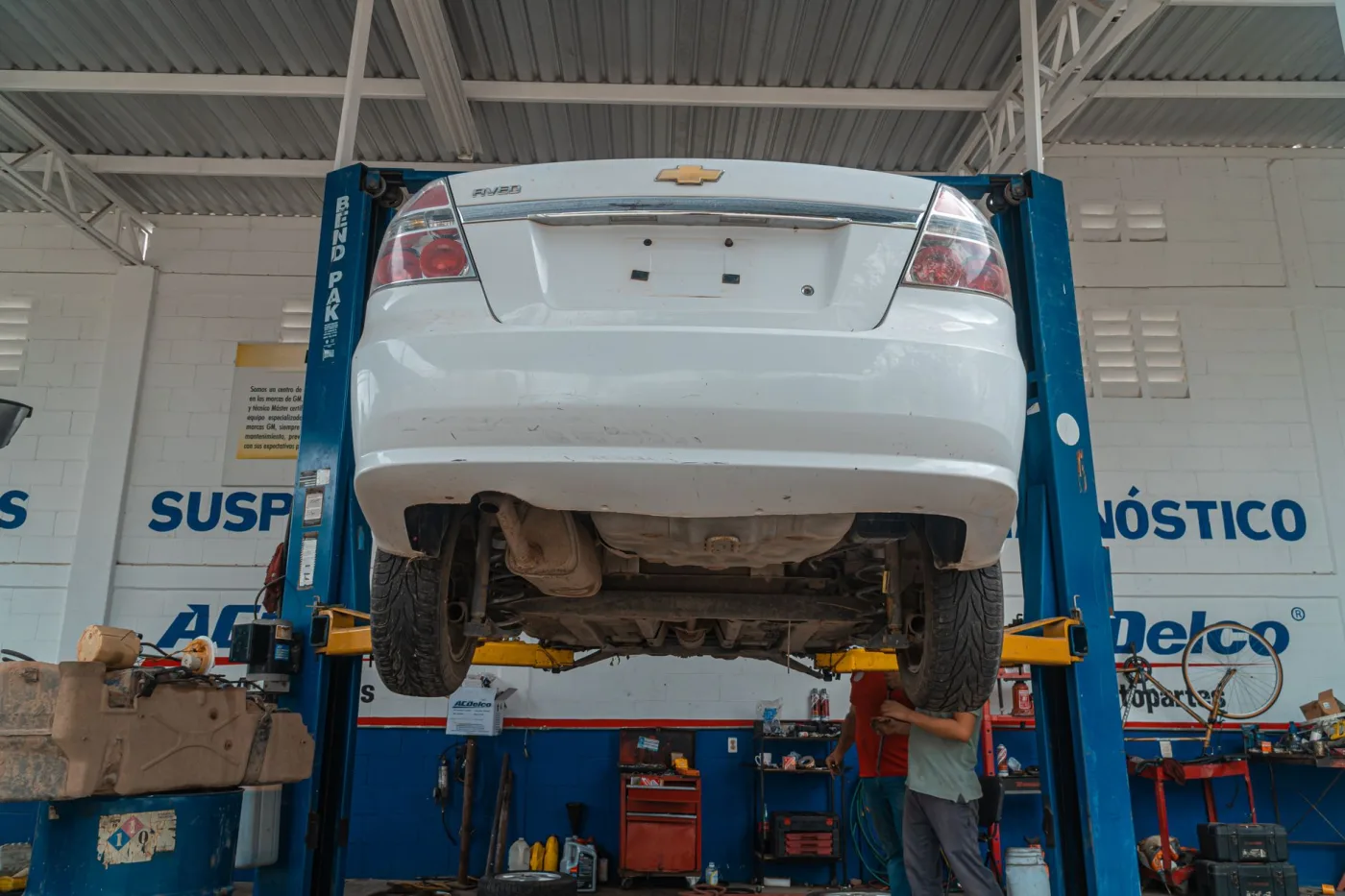
Why Daily Fleet Inspections Matter
In the fast-paced environment of urban mobility, your vehicle is more than a machine—it's the backbone of your daily operations. Whether you're navigating the bustling streets of Douala or the expanding road networks of Yaoundé, a well-maintained vehicle ensures safety, reduces unexpected breakdowns, and supports consistent service. For partners in the MboaFleet ecosystem, daily inspections are not just a routine—they are a cornerstone of operational excellence.
A thorough daily check can identify minor issues before they become costly repairs, keep drivers safe, and maintain the vehicle's availability for income-generating activities. This article presents a practical 10-point checklist tailored to the realities of Cameroon's roads, climate, and traffic conditions.
The 10-Point Daily Fleet Inspection Checklist
Perform this checklist every day before the vehicle starts its first trip. It takes about 15 minutes and can save hours of downtime later. Involve the driver, as they are the first line of defense in spotting irregularities.
1. Exterior Condition and Lights
Walk around the vehicle and check for new dents, scratches, or signs of impact. Ensure all lights are working: headlights (high and low beam), taillights, brake lights, turn signals, and hazard lights. Clean lenses improve visibility, especially during heavy rains or harmattan dust.
2. Tires and Wheels
Inspect each tire for proper inflation, tread depth, and any visible cuts, bulges, or embedded objects. Use a pressure gauge and compare with the manufacturer's recommended PSI. Don't forget the spare tire—it should be in good condition and properly inflated. Uneven wear may indicate alignment or suspension issues.
3. Fluid Levels
Check the following fluids while the engine is cool: engine oil, coolant, brake fluid, power steering fluid, and windshield washer fluid. Top up as needed, but also note any unusual drops—they could signal leaks. In Cameroon's hot climate, coolant levels are especially critical to prevent overheating.
4. Brakes
Test the brakes before moving: press the pedal firmly—it should feel firm and not sink to the floor. Listen for squealing, grinding, or any unusual noises. Check the parking brake as well. Brake pads and rotors should be inspected regularly, but a daily functional test is quick and essential.
5. Engine and Belts
Start the engine and listen for any strange sounds like knocking, ticking, or excessive vibration. Check the condition of belts and hoses for cracks, fraying, or looseness. Look for any signs of oil or coolant leaks under the vehicle. A smooth-running engine is the heart of reliable operations.
6. Battery and Electrical System
Inspect the battery terminals for corrosion and ensure the connections are tight. Check the battery's charge level if feasible. In many Cameroonian cities, short trips and frequent stops can drain the battery over time. Also, test the horn, wipers, and interior lights.
7. Interior and Driver Comfort
Ensure the driver's seat is adjustable and comfortable, the seatbelt works properly, and mirrors are correctly positioned. Check the dashboard warning lights—if any remain illuminated after starting, note them and investigate. A comfortable and alert driver is a safer driver.
8. Safety Equipment
Verify that the vehicle carries essential safety items: a fire extinguisher, first-aid kit, warning triangle, and reflective vest. In many regions, these are required by law. Also, ensure that the jack and wheel wrench are present and functional in case of a tire change.
9. Documentation and Reporting
Check that the vehicle's registration, insurance, and any necessary permits are up to date and stored safely. Review the previous day's inspection report and note any pending issues. Effective reporting is key to proactive maintenance—MboaFleet's platform enables drivers to log issues and share them with the operations team in real time.
10. Operational Readiness
Finally, confirm that the vehicle is clean, has sufficient fuel for the day's planned routes, and that any cargo or equipment is properly secured. A clean and organized vehicle not only makes a good impression but also reduces the risk of items shifting and causing accidents.
Implementing the Checklist Effectively
To make the most of this checklist, integrate it into your daily routine:
- Assign responsibility: The driver performs the inspection, but a supervisor or fleet manager should periodically verify compliance.
- Use digital tools: Instead of paper logs, use a mobile app or dashboard to record inspection results. This improves accuracy and allows for instant alerts.
- Act on findings: A checklist is only useful if you follow up. Schedule repairs immediately and track them to completion.
- Train drivers: Provide regular training on inspection techniques and the importance of early reporting.
Overcoming Local Challenges
In Cameroon, fleet operators face unique challenges: road conditions vary from paved highways to unpaved rural paths, and traffic congestion in cities like Douala can be intense. The rainy season brings flooded streets that can damage vehicles and hide potholes. A daily inspection helps you adapt to these conditions. For example, during the rainy season, pay extra attention to tire tread and windshield wipers. In harmattan, check air filters more frequently due to dust.
How MboaFleet Supports Daily Inspections
MboaFleet is not just about providing vehicles—it's about building a reliable operational framework. Our platform equips partners and drivers with the tools to conduct thorough inspections, report issues instantly, and maintain a transparent maintenance history. This data-driven approach helps optimize vehicle availability and performance, which in turn supports the overall mobility service.
By adhering to a daily inspection routine, you contribute to the safety and efficiency of your vehicle, reduce the likelihood of costly breakdowns, and ensure that the vehicle remains in service to generate income. Remember, operational performance depends on real factors: vehicle condition, driver discipline, maintenance, demand, and costs. You have direct control over many of these.
Conclusion
A daily inspection is a small investment of time that pays off in reliability and peace of mind. It protects your asset, your driver, and your reputation as a dependable mobility provider. At MboaFleet, we encourage all our partners to embrace this practice as part of their professional routine.
To learn more about how MboaFleet structures its operations, supports drivers, and promotes transparent reporting, we invite you to explore our model and see how economic participation in real-world mobility projects can be both responsible and rewarding.
Disclaimer: This content is for informational purposes only and does not constitute an investment offer or financial advice. Performance in mobility operations depends on various real-world factors and is not guaranteed.