Why Daily Inspections Matter in Fleet Operations
In the fast-paced environment of urban mobility in Cameroon, every vehicle on the road represents a commitment to safety, reliability, and performance. For fleet operators and drivers, the daily inspection is not just a routine—it is the first line of defense against breakdowns, accidents, and costly repairs. A well-maintained vehicle is more likely to stay on the road, meet passenger expectations, and contribute positively to the overall operational performance of the fleet.
MboaFleet, as a platform that organizes economic participation around income-generating vehicles, understands that the real-world activity of each vehicle depends on many factors: vehicle condition, driver discipline, maintenance, demand, costs, and availability. A disciplined daily inspection routine directly influences these factors, helping to ensure that each vehicle is ready to serve its purpose efficiently.
This article provides a clear, practical 10-point checklist that every fleet driver should follow before starting the day. By integrating these checks into your daily routine, you contribute to safer roads, lower maintenance costs, and more predictable operations.
The 10-Point Daily Inspection Checklist
Below is a systematic guide to inspecting your vehicle each day. The checklist is designed to be thorough yet efficient, taking approximately 10 to 15 minutes. Always perform these checks in a safe, well-lit area, preferably before the first trip.
1. Exterior Condition and Bodywork
Walk around the vehicle and inspect the body for any new dents, scratches, or signs of impact. Check that all mirrors are intact and properly adjusted. Ensure that windows and windshields are clean and free of cracks that could impair visibility. This quick visual scan helps identify potential issues early and maintains a professional appearance.
2. Tires and Wheels
Tire condition is critical for safety and fuel efficiency. Check the tire pressure of all four tires, including the spare, using a reliable gauge. Compare the readings with the manufacturer's recommended pressure. Inspect the tread depth and look for uneven wear, bulges, or cuts. Also, ensure that all lug nuts are tight and that there are no visible nails or debris embedded in the tires. Proper tire maintenance reduces the risk of blowouts and improves handling.
3. Fluid Levels
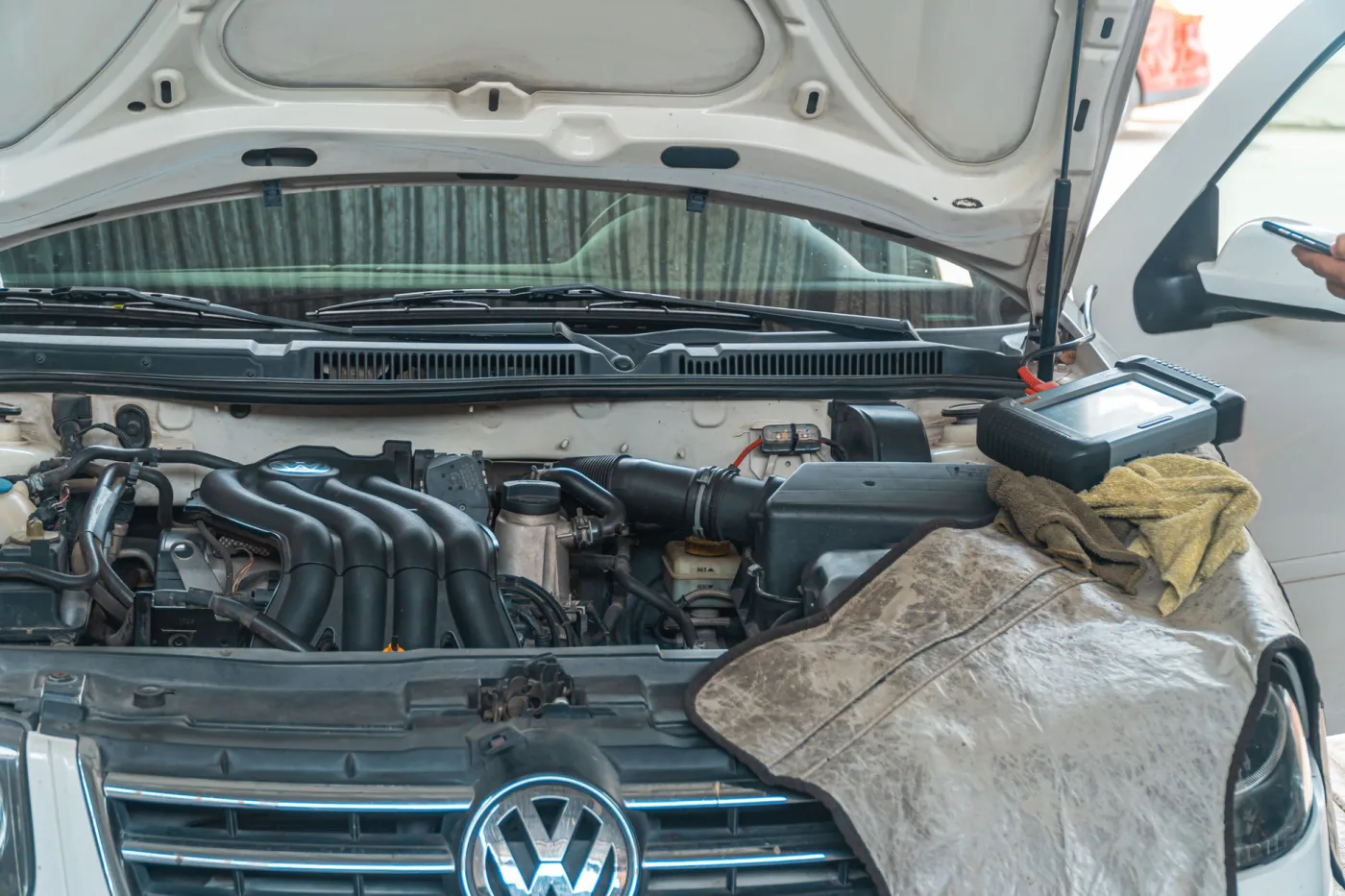
Under the hood, check the levels of essential fluids: engine oil, coolant, brake fluid, windshield washer fluid, and power steering fluid (if applicable). Use the dipstick to check oil level and condition—clean, amber oil is ideal. Ensure that the coolant is between the minimum and maximum marks when the engine is cold. Low or dirty fluids can lead to overheating, brake failure, or engine damage.
4. Lights and Signals
Test all exterior lights: headlights (high and low beam), taillights, brake lights, turn signals, hazard lights, and reverse lights. Ask a colleague or use a reflective surface to confirm that each light functions correctly. Proper lighting is essential for visibility, especially in Cameroon's urban areas where traffic can be heavy and unpredictable. Replace any burnt-out bulbs immediately.
5. Brakes
Start the engine and test the brakes while the vehicle is stationary. Press the brake pedal to ensure it feels firm and not spongy. Listen for any unusual noises such as grinding or squealing. If your vehicle has a parking brake, test it on a slight incline to ensure it holds the vehicle securely. Remember, brake failure is a leading cause of accidents, so never overlook this check.
6. Steering and Suspension
With the engine running, turn the steering wheel from left to right to check for excessive play or unusual resistance. While driving at low speed in a safe area, listen for clunks or rattles from the suspension. Pay attention to how the vehicle handles bumps and turns. Any looseness or vibration may indicate worn components that need professional attention.
7. Engine and Belts
Start the engine and listen for any abnormal sounds such as knocking, hissing, or whining. Check the dashboard warning lights—they should all turn off after a few seconds. Inspect visible belts for cracks, fraying, or excessive slack. Also, ensure that the air filter is not clogged, as this affects performance and fuel economy.
8. Interior and Safety Equipment
Inside the cabin, ensure that the driver's seat is adjusted for comfort and that all mirrors are properly set. Check that the horn, windshield wipers, and washer function correctly. Verify that the seatbelts are in good condition and latch securely. If your vehicle is equipped with a fire extinguisher, first aid kit, or warning triangle, confirm they are present and accessible. These items are not just regulatory requirements—they are essential for passenger and driver safety.
9. Documents and Reporting
Before starting your route, confirm that you have all necessary documents: driver's license, vehicle registration, insurance, and any permits required for commercial operation in Cameroon. Additionally, ensure that you have the MboaFleet reporting app or logbook ready to record your pre-trip inspection. Accurate reporting is a cornerstone of transparent fleet operations. If you identify any issues during the inspection, report them immediately through the designated channel.
10. Final Walk-Around and Test Drive
Perform a final walk-around to ensure that no tools or loose items are left on or around the vehicle. Check that the fuel level is sufficient for your planned trips. If possible, take a short test drive in a safe area to verify that all systems feel normal—braking, steering, acceleration, and gear changes. Listen for any new noises and pay attention to how the vehicle responds.
Integrating the Checklist into Your Daily Routine
Consistency is key. Make the inspection a non-negotiable part of your daily routine, just like fastening your seatbelt. Here are some tips to help you stay on track:
- Use a digital checklist: Many fleet platforms, including MboaFleet, offer digital inspection tools that allow you to record results and flag issues in real time. This improves accuracy and ensures that maintenance teams receive immediate alerts.
- Set aside time: Allocate 15 minutes each morning. Avoid rushing—this is a safety-critical task.
- Document everything: Even if no issues are found, log the inspection. This creates a valuable history that helps in predictive maintenance and operational reporting.
- Report immediately: If you find a problem, do not drive the vehicle. Report it through the proper channels and use a backup vehicle if available.
The Role of Driver Discipline in Fleet Performance
In the context of MboaFleet's model, each partner vehicle is an income-generating asset. However, its performance is not guaranteed by any financial mechanism—it depends on real operational factors. A vehicle that is well-maintained and driven responsibly is more likely to be available for trips, consume less fuel, and require fewer repairs. This, in turn, can positively influence the variable activity-based revenue that partners may receive. Conversely, neglecting inspections can lead to breakdowns, accidents, and increased costs, which negatively affect the entire fleet operation.
Driver discipline, as demonstrated by consistent daily inspections, is a direct contribution to the operational health of the fleet. It also aligns with MboaFleet's emphasis on transparency and reporting—when drivers log their checks, they provide valuable data that helps the platform monitor vehicle conditions and schedule proactive maintenance.
Cameroon-Specific Considerations
Driving in Cameroonian cities like Douala and Yaoundé presents unique challenges: heavy traffic, occasional flooding during the rainy season, and varied road conditions. These factors make daily inspections even more critical. For example, during the rainy season, check that windshield wipers are effective and that tire tread is deep enough to prevent hydroplaning. In dusty conditions, pay extra attention to the air filter and fluid levels. Being proactive about these local realities can prevent many headaches down the road.
How MboaFleet Supports Drivers and Partners
MboaFleet is not just a platform for organizing economic participation; it is a partner in operational excellence. We provide tools and resources to help drivers maintain their vehicles and perform at their best. Our fleet monitoring systems allow for real-time tracking of vehicle health and driver behavior, while our maintenance scheduling ensures that issues are addressed promptly. We believe that transparency and education are key to building a sustainable mobility ecosystem in Cameroon.
Conclusion: Make Inspection a Habit
Daily inspections are a simple yet powerful way to protect yourself, your passengers, and the vehicle that supports your livelihood. By following this 10-point checklist, you are not only complying with best practices but also contributing to the overall success of the fleet. Remember, every check you perform is a step toward safer roads and more efficient operations.
We invite you to learn more about how MboaFleet is transforming urban mobility in Cameroon through responsible operations and transparent reporting. Whether you are a driver, a partner, or simply interested in our model, we encourage you to explore the possibilities of real-world economic participation with us.
Disclaimer: This content is for informational purposes only and does not constitute an investment offer or financial advice. The performance of any vehicle or fleet operation depends on real operational factors and is not guaranteed.