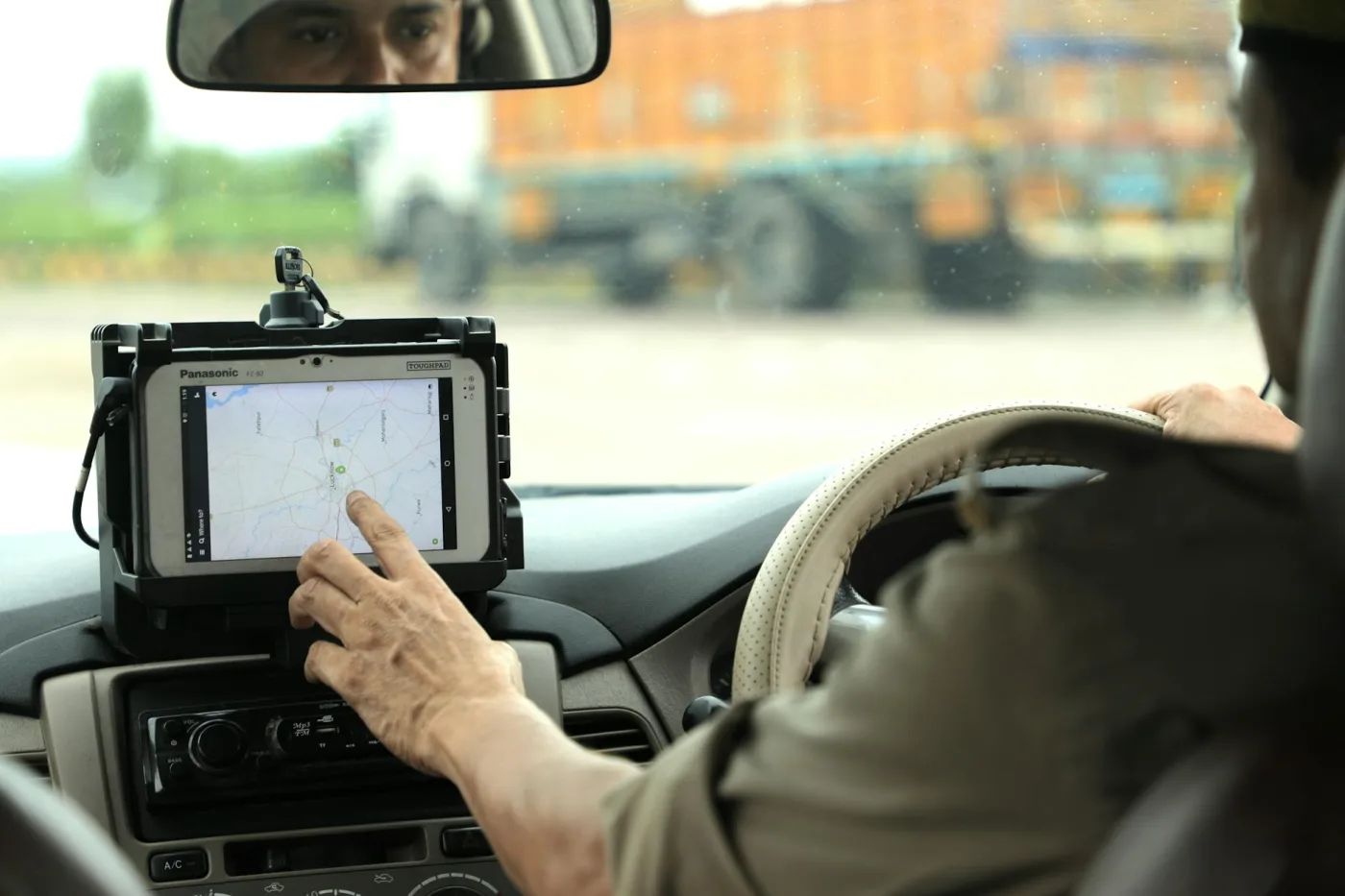
Why Real-Time Driver Tracking Matters for Fleet Operations
For fleet owners in Cameroon, managing a set of vehicles—whether taxis, buses, or delivery vans—comes with daily challenges. Drivers may deviate from routes, idle excessively, or neglect vehicle care. Without visibility, small issues become costly repairs and lost revenue. Real-time driver tracking offers a practical solution, giving fleet owners the data they need to improve operational performance and support driver accountability.
How Real-Time Tracking Supports Fleet Operations
Real-time tracking uses GPS technology to monitor vehicle location, speed, route, and behavior. For MboaFleet partners, this transparency is key to ensuring that each income-generating vehicle operates efficiently. Here are the main benefits:
1. Improved Driver Monitoring and Discipline
Tracking allows fleet owners to see exactly where each vehicle is at any moment. This helps identify unsafe driving—like speeding or harsh braking—and encourages better habits. When drivers know their behavior is visible, they tend to follow routes and schedules more carefully. In cities like Douala or Yaoundé, where traffic can be unpredictable, this discipline reduces accidents and fuel waste.
2. Better Maintenance Scheduling
Real-time tracking systems often integrate with maintenance logs. By monitoring engine hours, mileage, and driving patterns, fleet owners can schedule preventive maintenance before a breakdown occurs. For example, a vehicle that frequently idles in traffic may need more frequent oil changes. This proactive approach extends vehicle life and reduces unexpected repair costs, keeping the mobility project running smoothly.
3. Enhanced Route Optimization
Urban mobility in Cameroon often involves navigating congested roads and informal stops. Tracking data reveals which routes are most efficient, helping drivers avoid delays. Fleet owners can adjust routes based on real-time traffic conditions, reducing fuel consumption and increasing the number of trips per day. This directly supports variable activity-based revenue.
4. Increased Transparency and Reporting
Fleet owners need clear reports to understand operational performance. Real-time tracking generates data on distance traveled, idle time, stops, and speed. MboaFleet’s platform uses this data to create transparent reports for partners, showing how each vehicle is used. This builds trust and helps identify areas for improvement, such as driver training or route changes.
Practical Advice for Implementing Real-Time Tracking
To get the most out of real-time driver tracking, consider these steps:
- Choose a system that fits your fleet size. For small fleets, a simple GPS tracker with a mobile app may suffice. Larger operations benefit from a dashboard that aggregates data.
- Set clear driver policies. Explain that tracking is for safety and efficiency, not surveillance. Involve drivers in setting goals, like reducing idling time by 10%.
- Use data for continuous improvement. Review weekly reports to spot trends. For example, if a vehicle consistently idles for long periods, investigate whether the driver is waiting at a busy intersection or taking unnecessary breaks.
- Integrate tracking with maintenance alerts. Link your tracking system to a maintenance schedule. When a vehicle reaches a certain mileage, automatically trigger a service reminder.
- Focus on cost savings. Track fuel consumption and compare it to distance traveled. A sudden increase may indicate a maintenance issue or inefficient driving.
Real-World Impact on Urban Mobility in Cameroon
In Cameroon’s bustling cities, fleet owners face unique challenges: potholes, traffic jams, and informal stops. Real-time tracking helps navigate these realities. For instance, a fleet of shared taxis in Douala used tracking to reduce average trip times by 15% by avoiding congested routes. Another owner in Yaoundé reduced fuel costs by 12% after identifying and correcting excessive idling. These improvements directly enhance the operational performance of the mobility project.
How MboaFleet Leverages Tracking for Partners
MboaFleet integrates real-time tracking as part of its comprehensive fleet operations platform. Partners receive regular reports on vehicle usage, driver behavior, and maintenance status. This transparency allows everyone involved—fleet owners, drivers, and MboaFleet—to work together toward better outcomes. The platform also uses tracking data to schedule maintenance, monitor costs, and ensure vehicles are available when needed. By focusing on real-world activity, MboaFleet helps partners make informed decisions without relying on speculative promises.
Addressing Common Concerns
Some fleet owners worry about privacy or driver pushback. However, when implemented transparently, tracking becomes a tool for collaboration. Drivers appreciate knowing that their efforts are recognized, and owners gain peace of mind. Another concern is cost. Basic GPS trackers are now affordable, and the savings from reduced fuel use, fewer repairs, and better scheduling often offset the initial expense.
Key Takeaways
- Real-time tracking improves driver discipline, route efficiency, and maintenance schedules.
- Transparent reporting builds trust among partners and supports continuous operational improvement.
- Practical implementation requires clear policies, regular data review, and integration with maintenance systems.
- For fleet owners in Cameroon, tracking addresses local challenges like traffic and road conditions.
Disclaimer: This content is for informational purposes only and does not constitute an investment offer or financial advice. Real-time driver tracking is an operational tool that supports fleet management and does not guarantee specific financial outcomes. Performance depends on real operational factors, including vehicle condition, driver discipline, maintenance, demand, and costs.
To learn more about how MboaFleet uses real-time tracking to support fleet operations and partner participation, explore our platform and discover how transparency and data-driven decisions can enhance your mobility project.