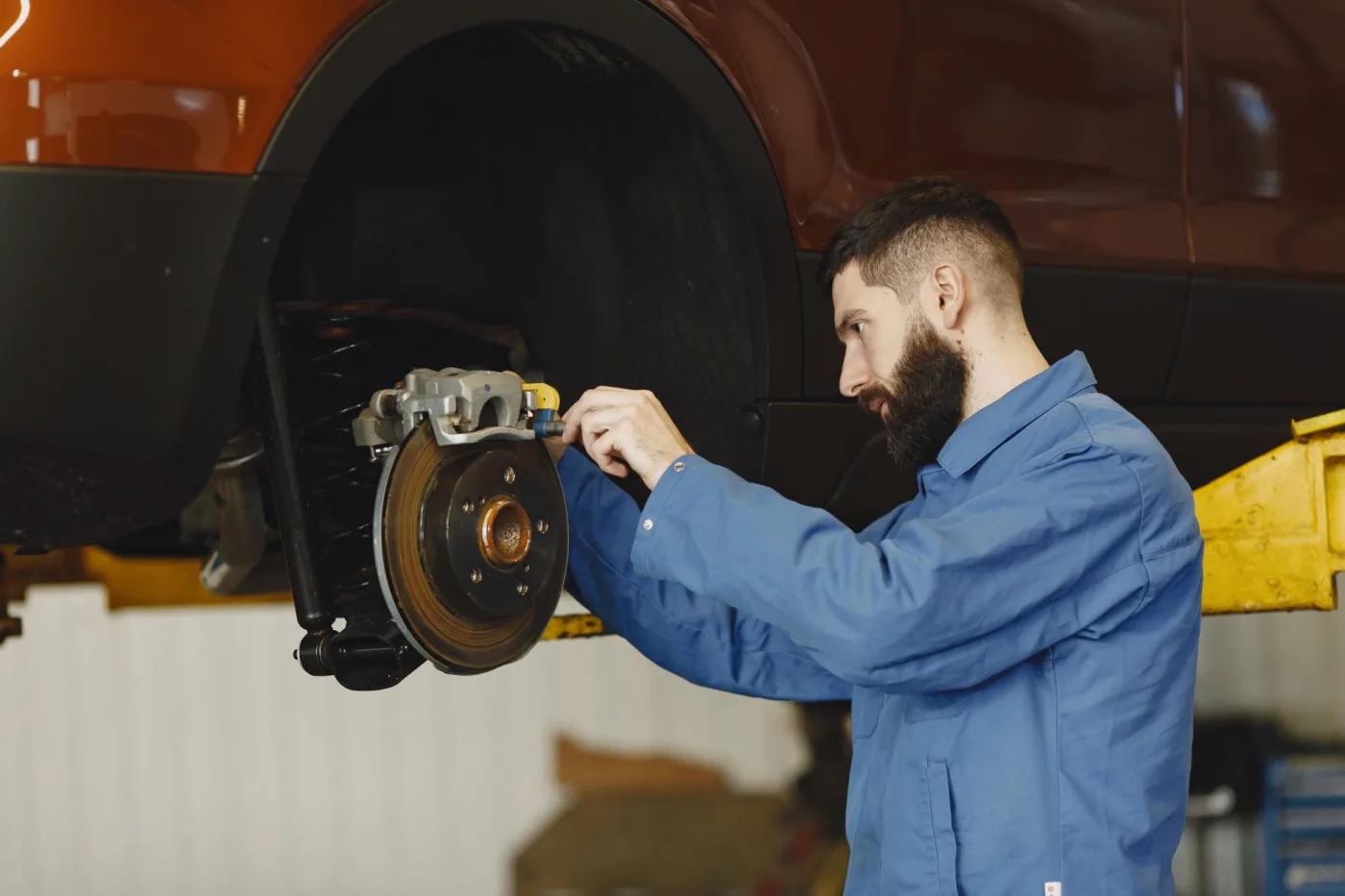
Why Brake System Checks Are Critical for Urban Fleet Vehicles
In Cameroon's bustling cities like Douala and Yaoundé, urban fleet vehicles face constant stop-and-go traffic, unpredictable road conditions, and heavy use. For any mobility operation, the brake system is the single most important safety component. Regular brake checks are not just a legal or safety requirement; they are a cornerstone of efficient fleet operations and maintenance. When brakes are neglected, the consequences range from costly repairs to accidents that can halt operations and damage reputations.
At MboaFleet, we emphasize that the performance of any income-generating vehicle depends on real operational factors: vehicle condition, driver discipline, maintenance, demand, costs, availability, and reporting. Brake system checks sit at the intersection of vehicle condition and maintenance. They protect drivers, passengers, and the public, while also safeguarding the economic participation of partners who rely on these vehicles for their livelihoods.
This guide provides practical, educational advice for fleet managers, drivers, and partners on how to conduct essential brake system checks. Whether you operate a small fleet or a larger mobility project, these steps can help you maintain safe and reliable vehicles.
Understanding the Brake System: Key Components
Before diving into checks, it's helpful to understand the main parts of a typical brake system in urban fleet vehicles:
- Brake pads and shoes: These create friction against the rotor or drum to stop the vehicle. They wear down over time and must be replaced regularly.
- Brake rotors and drums: The surfaces that the pads or shoes press against. They can warp, crack, or become too thin.
- Brake fluid: Transmits force from the pedal to the brakes. It can absorb moisture and degrade, leading to a spongy pedal or brake failure.
- Brake lines and hoses: Carry brake fluid. They can leak or bulge, reducing braking power.
- Master cylinder: Converts pedal pressure into hydraulic pressure. It can fail internally.
- Anti-lock braking system (ABS): Prevents wheel lock-up during hard braking. Sensors and modules can malfunction.
Each component requires attention. A failure in any one can compromise the entire system.
Daily and Pre-Trip Brake Checks for Drivers
Driver monitoring is a key part of fleet operations. Drivers should perform a quick brake check before every shift. This takes only a few minutes but can catch problems early.
1. Visual Inspection
- Look at the brake fluid reservoir. It should be between the MIN and MAX marks. If it's low, there may be a leak or worn pads.
- Check for fluid leaks under the vehicle near the wheels.
- Inspect brake pads through the wheel spokes (if visible). They should have at least 3mm of friction material.
- Look for cracks, deep grooves, or blue spots on rotors (indicating overheating).
2. Pedal Feel Test
- With the engine off, press the brake pedal several times. It should feel firm and hold pressure. If it sinks slowly, there may be a fluid leak or master cylinder issue.
- Start the engine and press the pedal again. It should not feel spongy or go all the way to the floor.
3. Listen for Unusual Noises
- Squealing or grinding when braking often indicates worn brake pads.
- Clicking or popping could signal loose components or ABS issues.
Drivers should report any abnormality immediately. This is where transparent reporting systems, like those used by MboaFleet, help fleet managers act quickly.
Weekly and Monthly Maintenance Checks
Beyond daily checks, more thorough inspections should be done weekly or monthly, depending on vehicle usage. In urban fleets, where vehicles may cover 100-200 km per day, monthly checks are the minimum.
1. Brake Pad and Shoe Measurement
- Remove wheels and measure pad thickness with a ruler or gauge. Replace if below manufacturer's specification (usually 3mm).
- Check brake shoes in drum brakes for wear and contamination (oil or grease).
2. Rotor and Drum Inspection
- Measure rotor thickness with a micrometer. If below minimum thickness, replace.
- Check for deep scoring, cracks, or warping. Resurface or replace as needed.
- For drums, check for cracks, out-of-roundness, and wear ridges.
3. Brake Fluid Check
- Test brake fluid with a moisture tester. If moisture content exceeds 3%, replace fluid.
- Check fluid color. Dark or black fluid indicates contamination and should be flushed.
- Top up with the correct DOT grade as specified by the manufacturer.
4. Brake Lines and Hoses
- Inspect for cracks, bulges, or leaks. Replace any damaged hose immediately.
- Check metal lines for rust or kinks.
5. ABS and Sensors
- Check ABS warning light on dashboard. If illuminated, scan for trouble codes.
- Clean wheel speed sensors and check wiring for damage.
These checks require a basic set of tools and a safe workspace. Many fleet operators in Cameroon partner with local garages for monthly inspections. MboaFleet encourages such partnerships to ensure maintenance is done correctly and documented.
The Role of Driver Monitoring and Reporting
Even the best maintenance schedule can fail if drivers don't report issues. Driver monitoring is essential. Fleet managers should train drivers to:
- Recognize early warning signs (noises, pedal changes, warning lights).
- Report problems immediately using a simple logbook or digital app.
- Follow safe driving practices that reduce brake wear, such as avoiding sudden stops and excessive speeding.
At MboaFleet, we integrate reporting into our operations. Partners and drivers can log maintenance activities and issues, creating a transparent record. This data helps predict when brakes need attention and prevents unexpected breakdowns. It also supports the operational performance of income-generating vehicles, as fewer breakdowns mean more available days on the road.
Common Brake Issues in Urban Fleets and How to Prevent Them
Urban driving in Cameroon presents specific challenges: frequent stops, potholes, dust, and heat. These can accelerate brake wear. Here are common issues and preventive measures:
- Overheating: Caused by riding the brakes or heavy loads. Prevent by using engine braking on descents and not overloading vehicles.
- Uneven wear: Often due to stuck calipers or poor alignment. Regular inspections catch this early.
- Fluid leaks: Can lead to sudden brake failure. Check fluid levels and lines weekly.
- Corrosion: Humid conditions in coastal cities like Douala can rust brake lines. Keep undercarriage clean and inspect regularly.
- ABS faults: Dust and debris can affect sensors. Clean sensors during routine maintenance.
Preventive maintenance is far cheaper than reactive repairs. A brake job done on schedule costs less than replacing rotors, calipers, and dealing with downtime.
Building a Brake Maintenance Culture in Your Fleet
To ensure brake safety, fleet operators should create a culture of maintenance. This involves:
- Training: Educate drivers and mechanics on brake system basics and inspection procedures.
- Scheduling: Set regular intervals for checks (daily, weekly, monthly) and stick to them.
- Record-keeping: Maintain logs of all inspections, repairs, and parts replacements. This helps track vehicle history and identify recurring issues.
- Accountability: Assign responsibilities for checks and follow-ups. Use checklists to ensure nothing is missed.
- Partnerships: Work with reliable suppliers and mechanics. Genuine parts and quality workmanship are essential.
MboaFleet supports its partners with tools and guidance to implement these practices. By focusing on real-world operations and transparent reporting, we help ensure that vehicles remain safe and productive.
Conclusion: Safe Brakes Mean Reliable Operations
Brake system checks are a fundamental part of urban fleet maintenance. They protect lives, reduce downtime, and support the economic participation of partners who depend on income-generating vehicles. In Cameroon's dynamic urban mobility sector, where demand is high but conditions are tough, a proactive approach to brake maintenance is non-negotiable.
We invite you to learn more about how MboaFleet organizes fleet operations, driver monitoring, and reporting to support safe and efficient mobility projects. By understanding the operational realities and contributing to a culture of maintenance, partners can participate in a model that values transparency and prudence.
Disclaimer: This content is for informational purposes only and does not constitute an investment offer or financial advice.