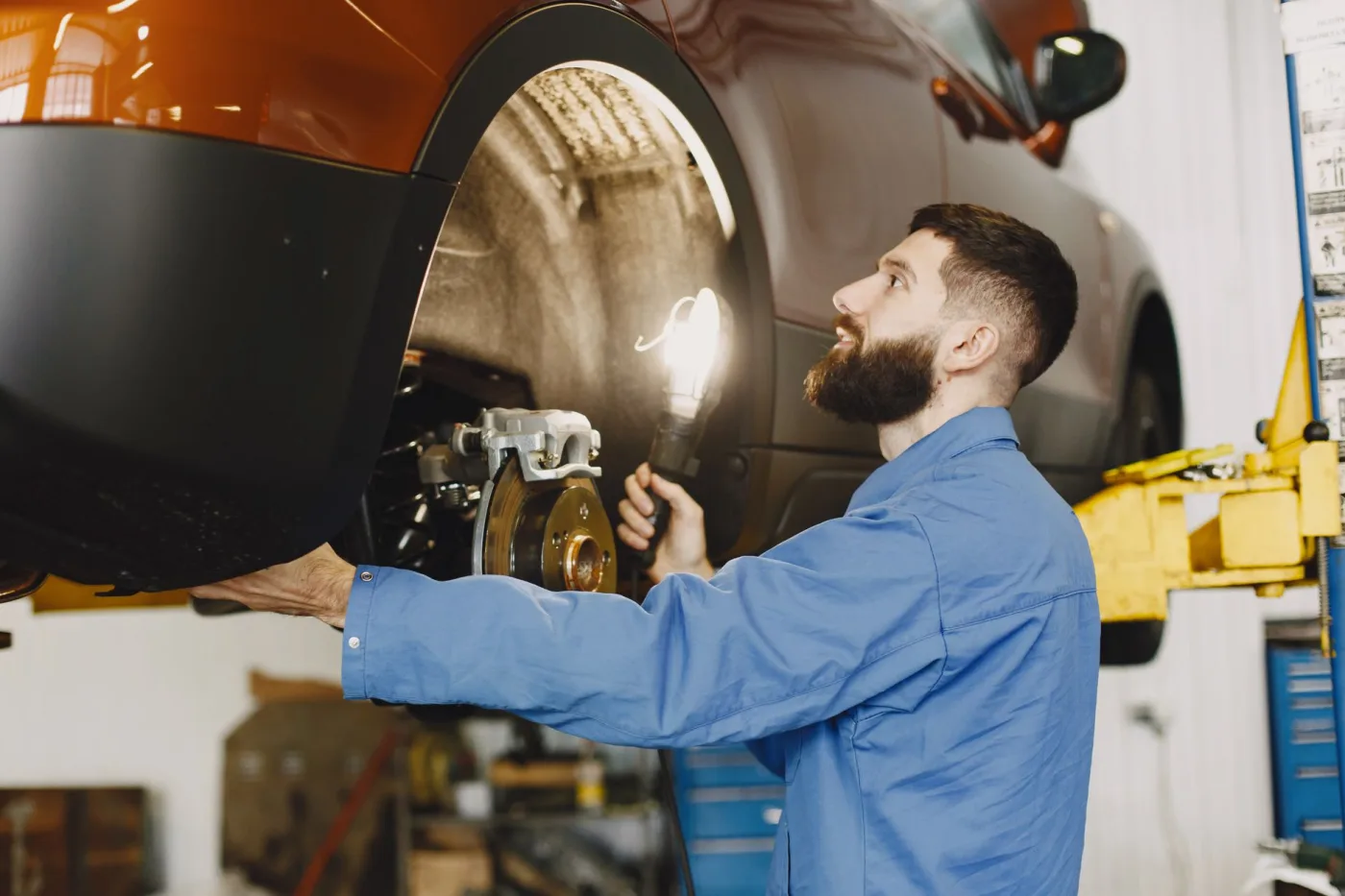
Why Tire Pressure Matters for Urban Fleet Vehicles
In the bustling streets of Douala, Yaoundé, and other Cameroonian cities, urban fleet vehicles are the lifeblood of mobility. Whether transporting passengers or goods, these vehicles face unique challenges: potholes, heavy traffic, and variable weather conditions. Among the many maintenance tasks that keep a fleet running smoothly, checking tire pressure is often overlooked, yet it is one of the most critical.
Properly inflated tires are not just about avoiding flats—they are about safety, efficiency, and operational performance. For vehicles operating under the MboaFleet model, where real-world activity drives outcomes, maintaining optimal tire pressure is a direct way to protect the vehicle, reduce costs, and ensure reliable service.
The Hidden Costs of Improper Tire Pressure
Driving with under-inflated or over-inflated tires can lead to a cascade of problems that affect your fleet's bottom line and safety record.
1. Increased Fuel Consumption
Under-inflated tires create more rolling resistance, forcing the engine to work harder. This can increase fuel consumption by up to 3% in urban driving conditions. For a fleet that logs hundreds of kilometers weekly, this translates into significant extra costs at the pump—costs that could be avoided with a simple pressure check.
2. Premature Tire Wear
Incorrect pressure causes uneven tire wear. Under-inflation wears out the edges, while over-inflation wears the center. Both reduce the lifespan of the tire, leading to more frequent replacements. Tires are a major expense for any fleet, and premature wear directly impacts operational costs.
3. Safety Risks
Under-inflated tires are prone to overheating, especially on long drives or in hot climates like Cameroon's. This can lead to blowouts, which are dangerous for the driver and other road users. Over-inflated tires, on the other hand, have less contact with the road, reducing traction and increasing stopping distances. Both scenarios are unacceptable for a safety-conscious fleet.
4. Vehicle Downtime
A tire blowout or flat can sideline a vehicle for hours, disrupting schedules and causing missed pickups or deliveries. In urban mobility, reliability is key. Regular pressure checks minimize the risk of unexpected breakdowns, keeping vehicles on the road where they belong.
How to Perform a Proper Tire Pressure Check
Implementing a tire pressure routine is straightforward, but it requires consistency and attention to detail. Here is a step-by-step guide for fleet drivers and managers.
Step 1: Get the Right Tools
Invest in a reliable tire pressure gauge. Digital gauges are easy to read and accurate. Additionally, ensure you have access to an air compressor, either at a service station or a portable one for on-the-go adjustments.
Step 2: Know the Recommended Pressure
Check the vehicle manufacturer's recommended tire pressure, usually found in the owner's manual or on a sticker inside the driver's door frame. This number is measured in PSI (pounds per square inch) or bar. Note that front and rear tires may have different recommendations.
Step 3: Check When Tires Are Cold
For the most accurate reading, check tire pressure when the tires are cold—ideally in the morning before the vehicle has been driven. Heat from driving increases pressure, so a warm tire reading can be misleading.
Step 4: Remove the Valve Cap and Press the Gauge
Remove the valve cap, press the gauge firmly onto the valve stem, and read the pressure. If the gauge is analog, ensure it is properly seated to avoid a hissing sound, which indicates air escaping.
Step 5: Inflate or Deflate as Needed
If the pressure is too low, add air until it reaches the recommended level. If it is too high, release air by pressing the center pin of the valve with a small tool. Recheck after any adjustment to ensure accuracy.
Step 6: Don't Forget the Spare Tire
The spare tire is often neglected. Ensure it is properly inflated and ready for use. A flat spare defeats the purpose of having one.
Frequency of Checks: A Fleet Perspective
For urban fleet vehicles, tire pressure should be checked at least once a week. However, given the challenging road conditions in many Cameroonian cities, more frequent checks are advisable.
- Daily visual inspection: Drivers should do a quick walk-around each morning to spot any visibly flat or damaged tires.
- Weekly pressure check: Use a gauge to measure and adjust pressure weekly.
- After long trips or heavy loads: If a vehicle has been on a long journey or carried a heavy load, check the pressure the next day.
- Seasonal adjustments: In Cameroon, the rainy season brings cooler temperatures and wet roads. Lower temperatures can reduce tire pressure, so increase the frequency of checks during this period.
Additional Tire Maintenance Tips for Urban Fleets
Beyond pressure checks, other tire care practices can extend tire life and improve safety.
Rotate Tires Regularly
Tire rotation ensures even wear across all four tires. Follow the vehicle manufacturer's recommendation, typically every 5,000 to 8,000 kilometers. In a fleet, tracking rotation schedules is essential.
Check Tread Depth
Adequate tread depth is crucial for traction, especially on wet roads. Use a tread depth gauge or the simple penny test: insert a coin into the tread; if the top of the coin is visible, the tread is too shallow. Replace tires before they become unsafe.
Align Wheels
Misalignment can cause uneven wear and pull the vehicle to one side. If you notice irregular wear patterns or the steering wheel vibrates, have the alignment checked.
Inspect for Damage
Look for cuts, bulges, or punctures on the tire sidewall and tread. These can lead to blowouts, especially at high speeds. Any damaged tire should be replaced immediately.
The Role of Driver Monitoring and Reporting
At MboaFleet, we emphasize driver monitoring and transparent reporting. These principles apply directly to tire maintenance.
Drivers should be trained to perform daily visual checks and to report any tire issues immediately. Fleet managers can incorporate tire pressure checks into the pre-trip inspection checklist, ensuring that no vehicle leaves the depot without a proper check.
Using a digital log or a mobile app can simplify reporting. Drivers can note the tire pressure readings, any adjustments made, and flag any concerns. This data helps fleet managers identify patterns—such as a vehicle that consistently loses pressure in one tire, which may indicate a slow leak or a faulty valve.
How Tire Pressure Impacts Operational Performance
Proper tire pressure is a small but mighty contributor to the overall performance of your mobility project. Here's how it ties into the bigger picture:
- Fuel efficiency: Lower fuel consumption directly reduces operating costs, improving the vehicle's economic viability.
- Vehicle availability: Fewer breakdowns mean more time on the road, leading to higher service capacity.
- Driver safety: A safe driver is a productive driver. Preventing tire-related accidents protects your team and your assets.
- Customer satisfaction: On-time arrivals and smooth rides build trust with your passengers or clients.
In the MboaFleet model, the vehicle's performance is tied to real operational factors. Tire maintenance is one of those factors. By keeping tires in optimal condition, you contribute to the vehicle's reliability, which in turn supports consistent activity and, potentially, variable activity-based revenue.
Conclusion: A Culture of Proactive Maintenance
In the fast-paced environment of urban mobility, proactive maintenance is not just a best practice—it's a necessity. Tire pressure checks are a simple, cost-effective way to protect your vehicle, your drivers, and your passengers. They save money, enhance safety, and keep your fleet running smoothly.
At MboaFleet, we believe in empowering our partners with knowledge and tools to manage their vehicles effectively. By integrating tire pressure checks into your routine, you are not just maintaining a vehicle; you are investing in the longevity and performance of your mobility project.
We invite you to learn more about how MboaFleet supports responsible vehicle ownership and operations. Explore our platform to see how we combine technology, transparency, and community to make urban mobility in Cameroon more efficient and reliable.
Disclaimer: This content is for informational purposes only and does not constitute an investment offer or financial advice.