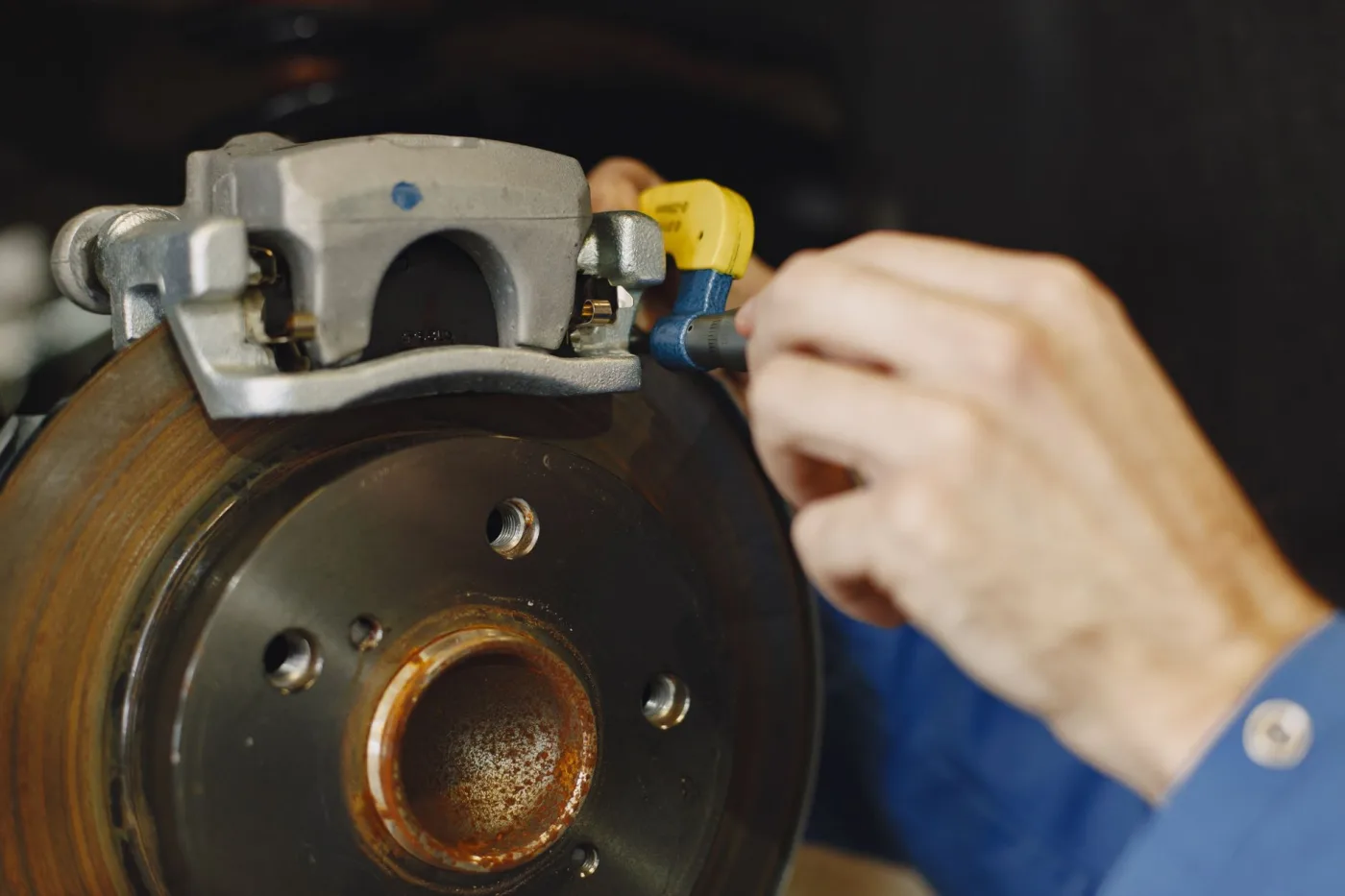
Why Tire Checks Matter for Fleet Reliability
For any fleet operating in the dynamic urban environments of Cameroon, the humble tire is a critical component that directly influences reliability, safety, and operational efficiency. At MboaFleet, we emphasize that the performance of income-generating vehicles depends on real-world factors—and tire health is one of the most tangible. Scheduled tire checks are not just a maintenance task; they are a strategic practice that minimizes costly interruptions, protects drivers and passengers, and supports consistent vehicle availability.
In cities like Douala and Yaoundé, where road conditions vary from well-paved avenues to potholed side streets, tires endure significant stress. Heat, humidity, and abrasive surfaces accelerate wear. Without regular inspections, small issues like under-inflation or uneven tread wear can escalate into blowouts, punctures, or premature replacement—leading to unplanned downtime and reduced earning potential for partners.
The Direct Impact on Fleet Operations
Fleet reliability is the backbone of any mobility operation. When a vehicle is off the road due to a tire failure, it affects not only that vehicle’s activity but also the overall schedule, customer trust, and operational costs. Scheduled tire checks help prevent these disruptions in several ways:
- Reduced Breakdowns: Early detection of wear, cuts, or bulges prevents sudden failures.
- Improved Fuel Efficiency: Properly inflated tires reduce rolling resistance, lowering fuel consumption—a major variable cost in fleet operations.
- Extended Tire Lifespan: Regular rotations and pressure adjustments balance wear, maximizing the usable life of each tire.
- Enhanced Safety: Well-maintained tires improve braking, handling, and stability, crucial for navigating crowded urban roads.
- Predictable Maintenance Budget: Scheduled checks allow for planned replacements, avoiding emergency expenses that can strain operational cash flow.
The Role of Driver Monitoring in Tire Care
Drivers are the first line of defense in tire maintenance. Through MboaFleet’s driver monitoring practices, we encourage drivers to perform pre-trip visual inspections and report any anomalies—such as unusual vibrations, low pressure warnings, or visible damage. This real-time feedback loop enables the operations team to schedule timely checks and address issues before they become critical. By integrating driver behavior with maintenance schedules, we create a culture of proactive care rather than reactive repairs.
Building a Scheduled Tire Check Program
Implementing a structured tire check program is straightforward but requires discipline. Here is a practical framework that any fleet operator in Cameroon can adopt:
1. Daily Pre-Trip Inspections
Before each trip, drivers should check:
- Tire pressure (using a reliable gauge)
- Visible tread depth and wear indicators
- Cuts, punctures, or bulges in the sidewall
- Foreign objects stuck in the tread
These checks take only five minutes but can prevent the majority of tire-related incidents.
2. Weekly Pressure and Tread Checks
On a weekly basis, a more thorough inspection should be performed, ideally by a trained maintenance technician or a designated fleet supervisor. This includes:
- Measuring and adjusting cold tire pressure to manufacturer specifications
- Checking tread depth with a gauge (minimum legal limit is typically 1.6 mm, but for urban fleets, 3 mm is recommended)
- Inspecting for uneven wear patterns, which may indicate alignment or suspension issues
- Rotating tires according to the vehicle manufacturer’s schedule (usually every 8,000–10,000 km)
3. Monthly Professional Evaluations
Once a month, a comprehensive evaluation should be conducted, including:
- Wheel alignment and balancing
- Valve stem condition and cap integrity
- Checking the spare tire and emergency equipment
- Recording all findings in a maintenance log
This monthly review helps detect systemic issues, such as chronic under-inflation due to slow leaks or persistent misalignment, and allows for corrective action.
How Scheduled Checks Reduce Total Cost of Ownership
For partners in the MboaFleet mobility project, understanding the cost benefits of tire maintenance is essential. Tires are a significant operating expense, and their premature failure directly impacts the variable activity-based revenue a vehicle can generate. By investing in scheduled checks, partners can:
- Avoid the cost of emergency roadside assistance and towing.
- Reduce the frequency of tire replacements—each tire saved is a direct operational saving.
- Minimize vehicle downtime, keeping the vehicle available for more trips and higher utilization.
- Improve fuel economy, which is a major variable cost in urban operations.
In essence, every dollar spent on tire maintenance yields multiple dollars in avoided losses and extended asset life.
Leveraging Reporting for Continuous Improvement
Data is a powerful tool in fleet management. MboaFleet’s reporting systems capture maintenance activities, tire pressure logs, and driver inspection records. By analyzing this data, we can identify trends—such as which routes cause faster wear or which drivers need additional training on tire care. This continuous improvement loop ensures that tire check schedules are optimized based on real operational conditions, not just generic recommendations.
For example, if reports show that vehicles operating on unpaved roads experience higher sidewall damage, the maintenance schedule can be adjusted to include more frequent inspections for those vehicles. Similarly, if a particular tire brand underperforms in local conditions, the data informs future purchasing decisions.
Practical Tips for Fleet Operators in Cameroon
Given the unique challenges of the Cameroonian context, here are additional recommendations:
- Invest in Quality Tires: Choose tires suited for tropical climates and mixed road conditions. Retreads may be cheaper but often offer shorter life and higher risk.
- Train Drivers on Tire Care: Provide simple training on how to check pressure, recognize wear, and understand the importance of reporting issues.
- Use Technology: Consider tire pressure monitoring systems (TPMS) for real-time alerts, especially for long-distance routes.
- Maintain a Maintenance Calendar: Use digital tools or simple spreadsheets to track check dates and ensure no vehicle is missed.
- Partner with Reliable Service Providers: Establish relationships with reputable tire dealers and repair shops in your operational areas to ensure quick and quality service.
Conclusion: A Small Investment, A Major Impact
Scheduled tire checks are a small but mighty component of fleet reliability. They safeguard the safety of drivers and passengers, protect the asset, and ensure that income-generating vehicles remain available for work. In the context of urban mobility in Cameroon, where every hour of operation counts, proactive tire maintenance is not an option—it is a necessity.
At MboaFleet, we believe that operational excellence is built on fundamentals. By integrating scheduled tire checks into our broader maintenance and reporting framework, we help partners maximize the potential of their vehicles through real-world activity. The performance of any mobility project depends on many factors, and vehicle condition is among the most controllable.
We encourage you to learn more about how MboaFleet organizes economic participation around income-generating vehicles, with a focus on transparency, driver monitoring, and operational performance. Visit our website or contact our team to explore how you can become a partner in a mobility project that values reliability and accountability.
Disclaimer: This content is for informational purposes only and does not constitute an investment offer or financial advice. The performance of any mobility project depends on real operational factors, including vehicle maintenance, driver discipline, demand, and costs.