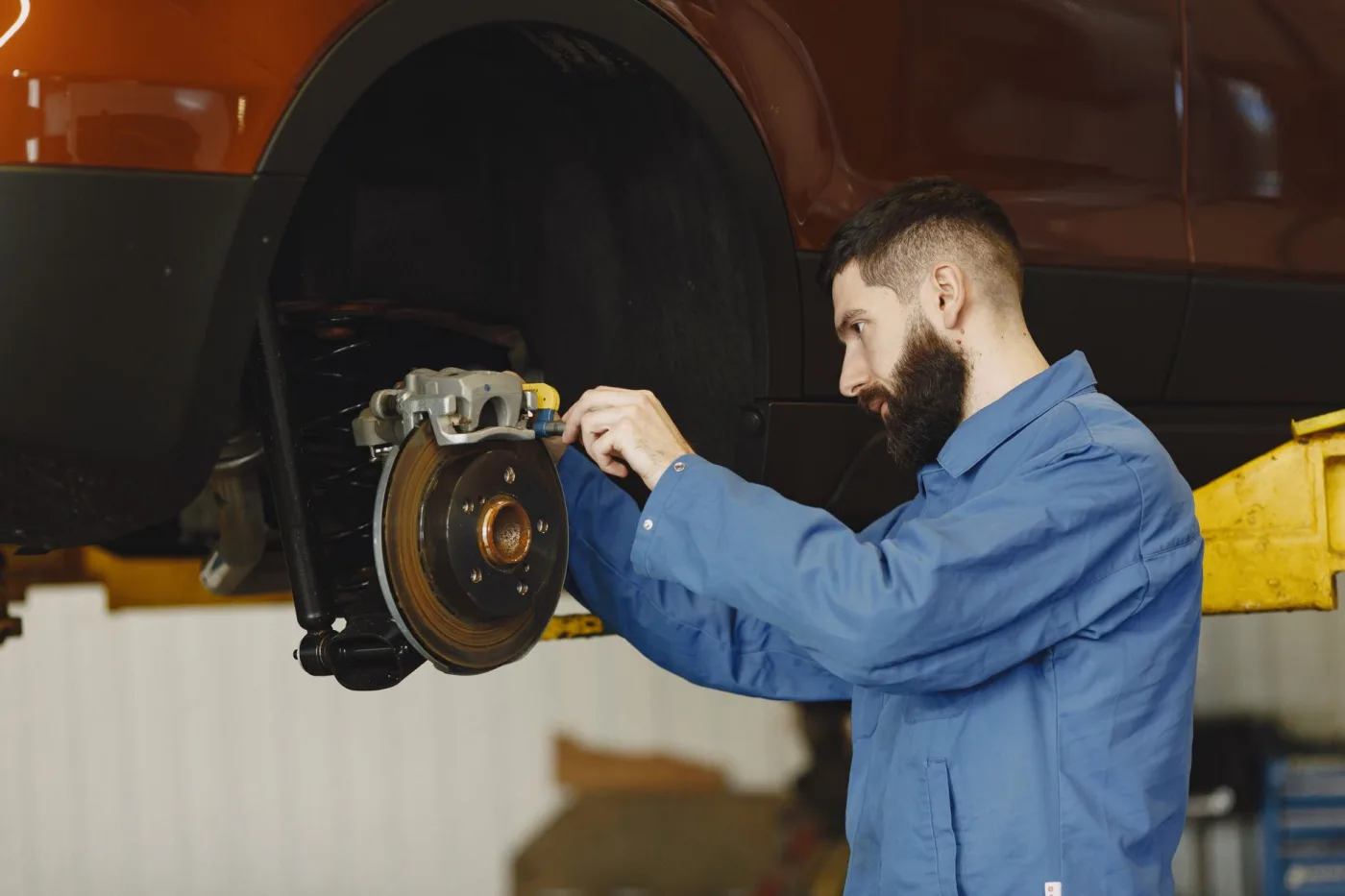
The Overlooked Factor in Fleet Performance: Tire Pressure
In the fast-paced world of urban mobility, fleet operators constantly seek ways to improve safety, reduce costs, and boost efficiency. While engine health, driver behavior, and route planning often take center stage, one critical factor frequently goes unnoticed: tire pressure. For fleets navigating the diverse and demanding roads of Cameroon, from the bustling streets of Douala to the hilly terrains of Yaoundé, maintaining correct tire pressure is not just a maintenance chore—it is a cornerstone of operational excellence.
At MboaFleet, we believe that transparency and rigorous maintenance are key to sustainable fleet operations. In this article, we explore how tire pressure monitoring (TPM) directly impacts fleet safety and fuel use, and provide actionable advice for fleet managers and drivers.
Why Tire Pressure Matters for Fleet Operations
Tires are the only point of contact between your vehicle and the road. Their condition affects everything from braking distance to fuel consumption. Under-inflated tires, in particular, are a silent threat. According to industry studies, a tire that is 10% below the recommended pressure can increase fuel consumption by 2-3%. For a fleet covering thousands of kilometers each month, these percentages translate into significant operational costs.
Moreover, incorrect tire pressure compromises safety. Soft tires can overheat, leading to blowouts, especially on long journeys under Cameroon’s tropical sun. Over-inflated tires reduce grip and accelerate wear, increasing the risk of accidents. Regular monitoring and adjustment are therefore essential for both economic and safety reasons.
The Safety Impact of Proper Tire Pressure
Safety is non-negotiable in fleet operations. Tire-related incidents can lead to vehicle downtime, driver injury, and reputational damage. Proper tire pressure ensures:
- Better handling and stability: Correctly inflated tires maintain optimal contact with the road, improving steering response and cornering stability.
- Shorter braking distances: Under-inflated tires can increase stopping distances, particularly on wet or uneven surfaces common during Cameroon’s rainy season.
- Reduced risk of blowouts: Maintaining recommended pressure prevents overheating and structural damage, lowering the chance of sudden tire failure.
- Enhanced driver confidence: When drivers trust their vehicle’s response, they are more focused and less stressed, contributing to safer urban mobility.
For fleet managers, implementing a tire pressure monitoring routine is a direct investment in driver and passenger safety. It also aligns with broader driver monitoring programs, as it encourages disciplined pre-trip checks and accountability.
Fuel Efficiency: The Economic Case for Tire Pressure Monitoring
Fuel is one of the largest variable costs for any fleet. In Cameroon, where fuel prices are subject to market fluctuations, every liter saved improves operational performance. Under-inflated tires increase rolling resistance, forcing the engine to work harder and burn more fuel. Conversely, properly inflated tires reduce drag, leading to measurable fuel savings.
Consider a fleet of 20 vehicles, each traveling 3,000 km per month. If poor tire pressure increases fuel consumption by just 3%, and fuel costs 800 XAF per liter, with an average consumption of 10 L/100 km, the monthly overspend would be:
- Monthly distance per vehicle: 3,000 km
- Fuel consumption: 10 L/100 km → 300 L per vehicle
- 3% increase: 9 L extra per vehicle
- Cost of extra fuel: 9 L × 800 XAF = 7,200 XAF per vehicle
- Fleet total: 20 × 7,200 XAF = 144,000 XAF per month
That is over 1.7 million XAF per year wasted simply due to neglected tire pressure. By monitoring and maintaining correct pressure, fleets can redirect these funds toward maintenance, driver training, or vehicle upgrades—enhancing overall operational performance.
How to Implement Tire Pressure Monitoring in Your Fleet
Effective tire pressure monitoring does not require expensive technology, though advanced solutions can help. Here are practical steps for fleet operators in Cameroon:
1. Establish a Routine Check Schedule
Make tire pressure checks a standard part of daily or weekly vehicle inspections. Drivers should check pressure before long trips and after any significant temperature change. In Cameroon, where roads can be rough and temperatures high, more frequent checks are advisable.
2. Use Accurate Gauges and Maintain Records
Invest in quality pressure gauges and ensure they are calibrated. Record pressure readings in a logbook or digital system. This data supports reporting and helps identify trends, such as slow leaks or chronic under-inflation.
3. Train Drivers on the Importance of Tire Pressure
Driver monitoring goes beyond speed and fuel efficiency. Educate drivers on how tire pressure affects safety and fuel use. Empower them to report issues immediately. A well-trained driver is your first line of defense against tire-related problems.
4. Consider Tire Pressure Monitoring Systems (TPMS)
For larger fleets, installing TPMS can automate monitoring. These systems alert drivers to pressure drops in real time, preventing small issues from becoming costly breakdowns. While the initial cost may be a consideration, the long-term savings in fuel and safety often justify the investment.
5. Integrate with Maintenance and Reporting
Tire pressure should be part of your broader maintenance schedule. When tires are rotated or replaced, ensure pressure is set correctly. Use fleet management software to track tire performance and generate reports. Transparency in reporting builds trust among partners and stakeholders, demonstrating that vehicles are well-maintained and operations are efficient.
The Role of Tire Pressure in Sustainable Fleet Operations
In Cameroon, where urban mobility is growing rapidly, sustainable fleet operations are essential. Proper tire pressure reduces fuel consumption, which in turn lowers carbon emissions. It also extends tire life, reducing waste and operational costs. By adopting simple monitoring practices, fleets contribute to a more sustainable and economically viable transport ecosystem.
At MboaFleet, we emphasize that operational performance depends on real factors: vehicle condition, driver discipline, maintenance, demand, costs, availability, and reporting. Tire pressure monitoring touches all these areas. It is a tangible example of how disciplined operations lead to better outcomes for partners and the communities they serve.
Practical Advice for Fleet Managers
- Set a standard: Determine the recommended pressure for each vehicle type and communicate it clearly.
- Check in the morning: Tires should be checked when cold, before driving, to get accurate readings.
- Don’t forget the spare: Ensure the spare tire is also properly inflated.
- Monitor tread depth: Combine pressure checks with tread inspections for comprehensive tire care.
- Leverage data: Use reporting tools to track fuel savings and safety incidents, and adjust practices accordingly.
Conclusion: Small Checks, Big Impact
Tire pressure monitoring is a small habit with a big impact on fleet safety and fuel use. For fleet operators in Cameroon, it represents a practical, low-cost way to enhance operational performance, reduce costs, and protect drivers and assets. By making it a core part of maintenance and driver monitoring, fleets can achieve greater efficiency and transparency.
At MboaFleet, we are committed to promoting operational excellence through education and best practices. To learn more about how our platform supports fleet operations, driver monitoring, and transparent reporting, we invite you to explore the MboaFleet model and discover how disciplined operations can drive sustainable mobility in Cameroon.
Disclaimer: This content is for informational purposes only and does not constitute an investment offer or financial advice. Performance depends on real operational factors including vehicle condition, driver discipline, maintenance, demand, costs, availability, and reporting.