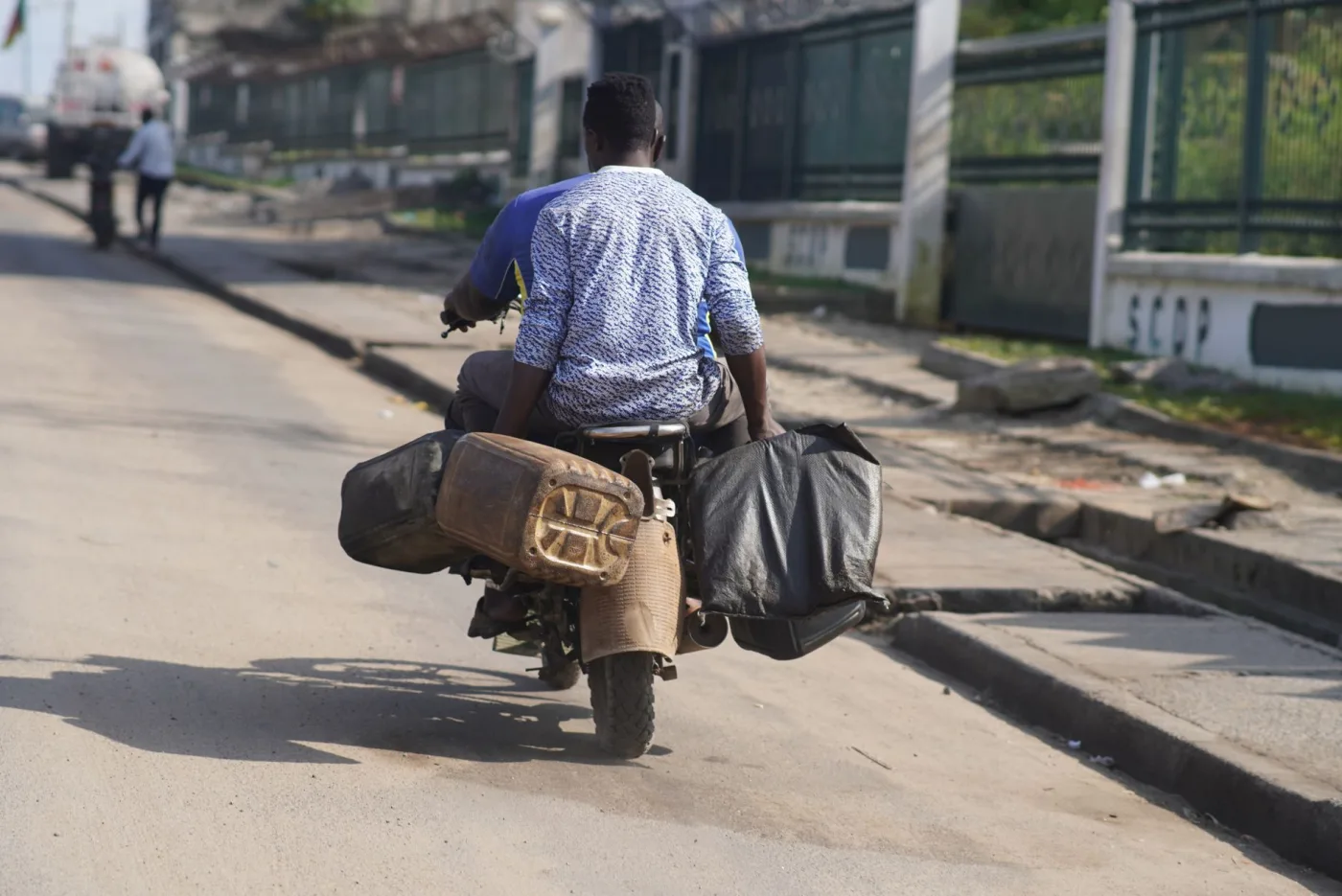
The Pulse of Cameroon’s Cities: Motorcycle Taxis
In Douala, Yaoundé, and beyond, motorcycle taxis—commonly known as bendskins—are a lifeline for millions. They navigate congested streets, reach neighborhoods inaccessible by car, and provide rapid, affordable transport. For many Cameroonians, these two-wheelers are not just a convenience; they are the primary means of getting to work, school, or market. Their agility and low operating cost make them indispensable in a country where urban infrastructure struggles to keep pace with population growth.
Yet, the sector faces significant challenges: inconsistent vehicle maintenance, unpredictable driver behavior, fluctuating fuel costs, and a lack of structured oversight. This is where organized fleet operations can make a tangible difference. By introducing systematic driver monitoring, regular maintenance schedules, and transparent reporting, platforms like MboaFleet aim to elevate the reliability and safety of motorcycle taxi services—turning a chaotic system into a more efficient, sustainable mobility network.
Why Motorcycle Taxis Dominate Urban Mobility
Urbanization in Cameroon is accelerating. Cities expand outward, but road networks and public transport lag behind. Motorcycle taxis fill the gap with several key advantages:
- Agility in traffic: They weave through jams, slashing commute times.
- Low cost of entry: A motorcycle is far more affordable than a car, enabling many to become drivers.
- Access to informal settlements: Many neighborhoods have narrow, unpaved roads that cars cannot navigate.
- On-demand availability: Riders can find a taxi at almost any corner, day or night.
This demand creates a vibrant ecosystem of drivers, mechanics, and parts suppliers. However, without proper organization, the system is prone to inefficiencies: breakdowns, accidents, and income instability for drivers. A structured approach—like the one MboaFleet promotes—can address these pain points.
The Operational Challenge: Maintenance and Driver Monitoring
Two critical factors determine the success of any motorcycle taxi fleet: vehicle condition and driver discipline. A well-maintained bike reduces downtime, lowers repair costs, and enhances safety. Conversely, a neglected vehicle can lead to frequent breakdowns, lost revenue, and even accidents. Regular maintenance—oil changes, brake checks, tire inspections—is the backbone of reliable operations.
Driver monitoring is equally vital. Experienced, responsible drivers follow traffic rules, manage fuel efficiently, and treat passengers with respect. They also report issues promptly, allowing fleet managers to intervene before small problems escalate. Without monitoring, a fleet can suffer from erratic performance, high accident rates, and reputational damage.
MboaFleet’s operational model emphasizes both areas. By partnering with drivers and providing structured maintenance schedules, the platform helps ensure that each income-generating vehicle operates at its best. Real-time reporting tools track usage, costs, and performance, giving partners visibility into day-to-day operations. This transparency is not about promising fixed outcomes—it’s about enabling informed decisions based on real-world activity.
How Fleet Operations Improve Urban Mobility
When motorcycle taxis are organized into a coordinated fleet, the benefits ripple across the city:
- Reliable service: Riders can count on consistent availability and quality.
- Safer roads: Well-maintained bikes and trained drivers reduce accident risks.
- Efficient resource use: Better fuel management and route planning lower costs.
- Economic stability for drivers: Reduced downtime means more consistent income.
For partners participating in MboaFleet’s model, the focus is on operational performance—not speculative returns. The revenue generated by a vehicle depends on real factors: the number of trips, fuel efficiency, maintenance costs, and driver dedication. There are no guarantees, but a well-run fleet can achieve steady, activity-based income over time.
Practical Advice for Improving Fleet Performance
Whether you are a driver, a fleet manager, or a partner, these steps can enhance your motorcycle taxi operation:
- Implement a maintenance schedule: Track oil changes, tire rotations, and brake inspections. Use a simple logbook or digital tool to stay on top of deadlines.
- Monitor driver behavior: Encourage defensive driving, adherence to traffic laws, and timely reporting of issues. Consider periodic training sessions.
- Optimize routes: Focus on high-demand areas during peak hours. Use data from past trips to identify patterns.
- Control fuel costs: Educate drivers on fuel-efficient riding techniques—smooth acceleration, proper gear use, and avoiding idling.
- Leverage reporting: Regular reports on mileage, expenses, and incidents help identify problems early. Transparent data empowers better decisions.
These practices, while simple, require discipline. The payoff is a more predictable, less stressful operation—and a better experience for passengers.
The Role of Transparency and Reporting
One of the biggest frustrations in informal transport is the lack of visibility. Drivers may not know their true earnings after expenses. Partners may wonder how their vehicle is performing. Without data, it’s impossible to improve. MboaFleet addresses this by providing clear, regular reports on operational metrics: kilometers driven, trips completed, maintenance costs, and net revenue. This transparency allows all parties to understand the real-world performance of the fleet.
Reporting is not about painting an optimistic picture—it’s about showing what actually happened. If a vehicle had a slow week due to a breakdown or low demand, the report reflects that. This honesty builds trust and enables partners to make informed decisions, such as adjusting maintenance intervals or changing driver assignments.
Conclusion: Understanding the MboaFleet Model
Motorcycle taxis are here to stay in Cameroon’s urban landscape. They offer a flexible, responsive transport solution that complements buses and cars. By bringing structure to this sector—through fleet operations, maintenance protocols, driver monitoring, and transparent reporting—MboaFleet aims to make these vehicles more reliable and economically viable for all participants.
If you are interested in learning more about how MboaFleet organizes partner participation around income-generating vehicles, we invite you to explore our approach. We focus on real-world activity, operational excellence, and honest communication—not financial promises. Discover how a well-managed fleet can contribute to Cameroon’s urban mobility.
Disclaimer: This content is for informational purposes only and does not constitute an investment offer or financial advice. Participation in MboaFleet’s model involves real-world operational risks, and performance depends on factors such as vehicle condition, driver discipline, maintenance, demand, and costs.