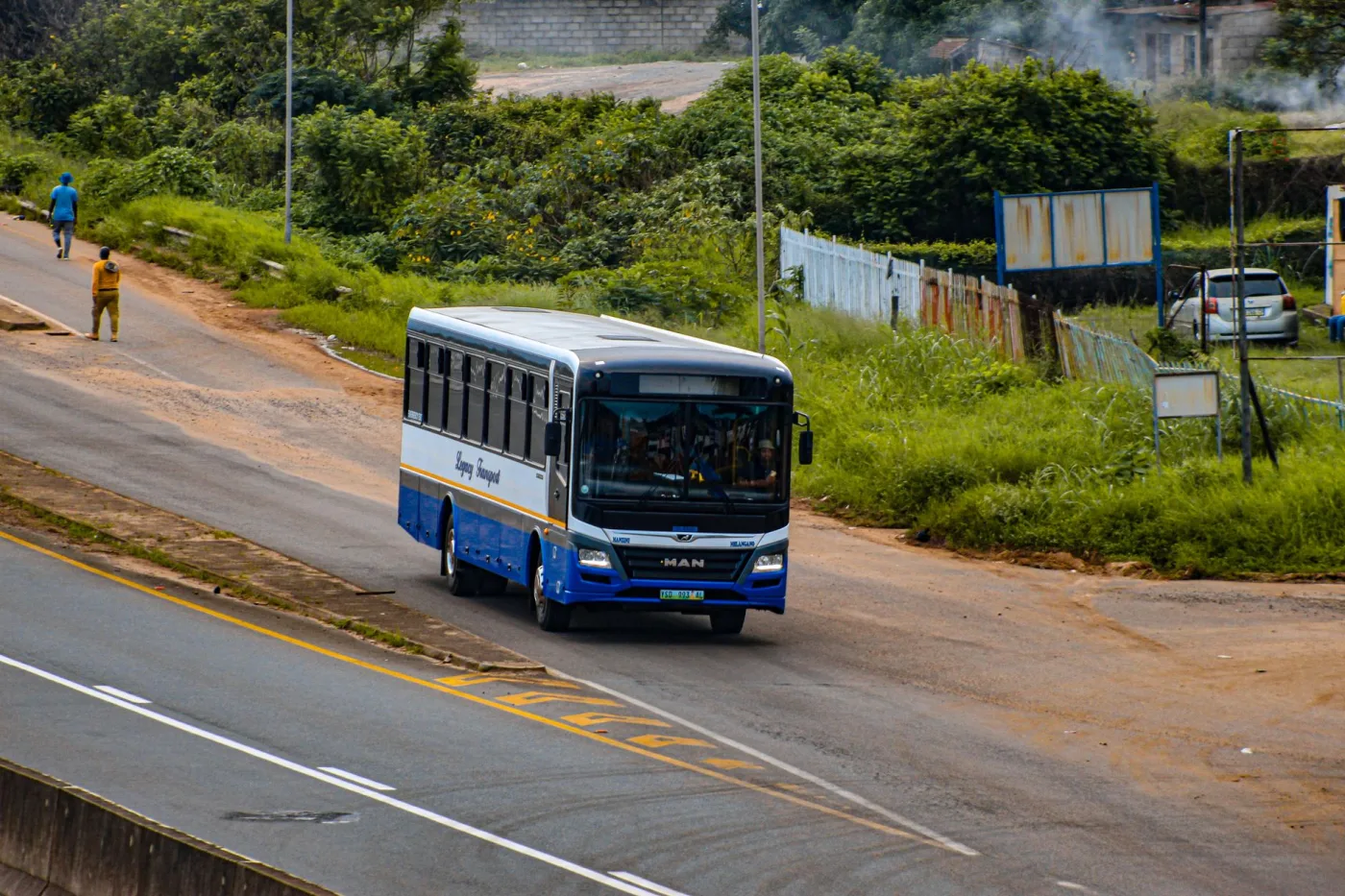
Introduction: The Foundation of Reliable Urban Mobility
In fast-growing cities like Douala and Yaoundé, urban transport is the lifeblood of daily life. Yet, reliability remains a persistent challenge. Traffic congestion, unpredictable demand, and vehicle breakdowns can disrupt schedules and erode public trust. For mobility platforms, the key to improving reliability lies not in complex technology alone, but in disciplined, data-driven route planning.
Route planning is more than just choosing the quickest path. It is a strategic process that aligns vehicle allocation, driver behavior, and maintenance schedules with real-world demand. When executed well, it reduces idle time, improves on-time performance, and enhances passenger satisfaction. For an operational mobility platform like MboaFleet, route planning is a cornerstone of operational performance—directly influencing the efficiency of income-generating vehicles and the satisfaction of partners who rely on consistent activity.
Understanding Urban Transport Challenges in Cameroon
Cameroon's urban centers are dynamic but complex. Road conditions vary, traffic patterns shift unpredictably, and public transport demand peaks during morning and evening rush hours. These factors create a volatile environment where even the best drivers can face delays. Without a structured approach to route planning, fleet operators risk:
- Increased fuel consumption due to inefficient driving routes.
- Higher wear and tear on vehicles, leading to more frequent maintenance.
- Longer passenger wait times, reducing overall service reliability.
- Driver fatigue from poorly planned schedules.
These challenges are not insurmountable. They can be mitigated through deliberate route design and continuous monitoring. For mobility platforms, the goal is to create a predictable and dependable service that meets the needs of passengers while optimizing the operational health of the vehicle fleet.
The Core Elements of Effective Route Planning
Effective route planning is a multi-layered process. It involves understanding demand patterns, mapping infrastructure, and integrating real-time data. Here are the core elements that every mobility platform should consider:
1. Demand Analysis and Predictive Modeling
Reliable route planning starts with understanding where and when passengers need transport. By analyzing historical data—such as passenger counts, peak hours, and popular destinations—fleet operators can identify high-demand corridors. For example, routes connecting residential areas to commercial hubs in Douala often see heavy traffic in the early morning and late afternoon. Predictive modeling helps allocate vehicles accordingly, reducing empty miles and improving service frequency.
2. Infrastructure and Road Condition Mapping
In Cameroon, road conditions can vary significantly. Some roads are well-paved, while others are unpaved or prone to flooding during rainy seasons. A reliable route plan must account for these factors. Using digital maps and local knowledge, operators can avoid roads with frequent closures or poor conditions, minimizing delays and reducing vehicle strain. This not only improves reliability but also contributes to lower maintenance costs over time.
3. Dynamic Routing and Real-Time Adjustments
Static route plans are insufficient in a dynamic urban environment. Traffic accidents, sudden roadblocks, or weather events can disrupt even the best-laid plans. Dynamic routing—using real-time data from GPS and traffic monitoring—allows drivers to adjust their routes on the fly. For example, if a main artery in Yaoundé becomes congested, a driver can be rerouted to an alternative street, keeping the service on schedule. This flexibility is crucial for maintaining reliability.
4. Integration with Driver Monitoring
Route planning is only as effective as the drivers who execute it. Driver monitoring systems, such as telematics and dashcams, provide valuable insights into driving behavior. Speeding, harsh braking, and idling can all impact route efficiency and fuel consumption. By integrating route planning with driver monitoring, operators can:
- Identify areas where drivers deviate from planned routes.
- Provide targeted training to improve driving habits.
- Ensure adherence to schedules, enhancing predictability.
This synergy between route planning and driver monitoring is a hallmark of professional fleet operations.
Maintenance: The Silent Partner in Reliability
Route planning also plays a role in maintenance scheduling. A well-planned route reduces unnecessary strain on vehicles, but regular maintenance remains essential. By analyzing route data—such as mileage and road conditions—operators can predict when a vehicle might need service. For instance, routes with many potholes may require more frequent suspension checks. Integrating maintenance schedules with route planning ensures that vehicles are not taken out of service unexpectedly, which is a common cause of reliability issues.
For MboaFleet, maintenance is a core operational function. We prioritize the health of income-generating vehicles because a well-maintained vehicle is more likely to stay on the road, serving passengers and generating activity-based revenue for partners. This commitment to maintenance is part of our broader transparency and reporting framework.
The Role of Reporting and Data Transparency
Reliability is not just about what happens on the road; it is also about how operators communicate with stakeholders. Reporting provides a window into fleet performance, allowing partners to see how route planning is affecting operational metrics. Key performance indicators (KPIs) such as on-time performance, average speed, and idle time are valuable for assessing route efficiency.
Transparent reporting also builds trust. When partners understand how route planning decisions are made—and how they impact vehicle usage and maintenance—they can make informed decisions about their participation. MboaFleet’s reporting system is designed to provide clear, actionable insights, fostering a culture of accountability and continuous improvement.
Practical Advice for Improving Route Planning
Whether you are a fleet operator, a driver, or a partner in a mobility project, there are practical steps you can take to enhance route planning and, in turn, reliability:
- Leverage Technology: Use GPS and fleet management software to track vehicles and analyze route data. Even simple tools can provide valuable insights.
- Engage Drivers: Drivers are on the front lines and often know the best routes and trouble spots. Encourage them to share feedback and incorporate their knowledge into route plans.
- Plan for Contingencies: Always have backup routes for known problem areas. This reduces downtime when unexpected events occur.
- Monitor and Adjust: Regularly review route performance and make adjustments based on changing demand and infrastructure. Flexibility is key.
- Integrate Maintenance: Coordinate route planning with maintenance schedules to prevent breakdowns and extend vehicle life.
Conclusion: Building a More Reliable Future
Route planning is not a one-time task but an ongoing process of analysis, adaptation, and improvement. For urban transport in Cameroon, it is a powerful tool for overcoming the challenges of congestion, poor roads, and unpredictable demand. By investing in thoughtful route design, integrating driver monitoring, and prioritizing maintenance, mobility platforms can significantly enhance reliability.
At MboaFleet, we believe that reliability is built on operational excellence. Through our focus on fleet operations, driver monitoring, maintenance, and transparent reporting, we aim to create a mobility ecosystem that benefits passengers, drivers, and partners alike. We invite you to learn more about how our model works—how economic participation in income-generating vehicles is grounded in real-world activity and operational performance, not promises. Explore our platform, ask questions, and see how reliability can be achieved through disciplined planning and execution.
Disclaimer: This content is for informational purposes only and does not constitute an investment offer or financial advice. Operational performance depends on real-world factors, and outcomes may vary.