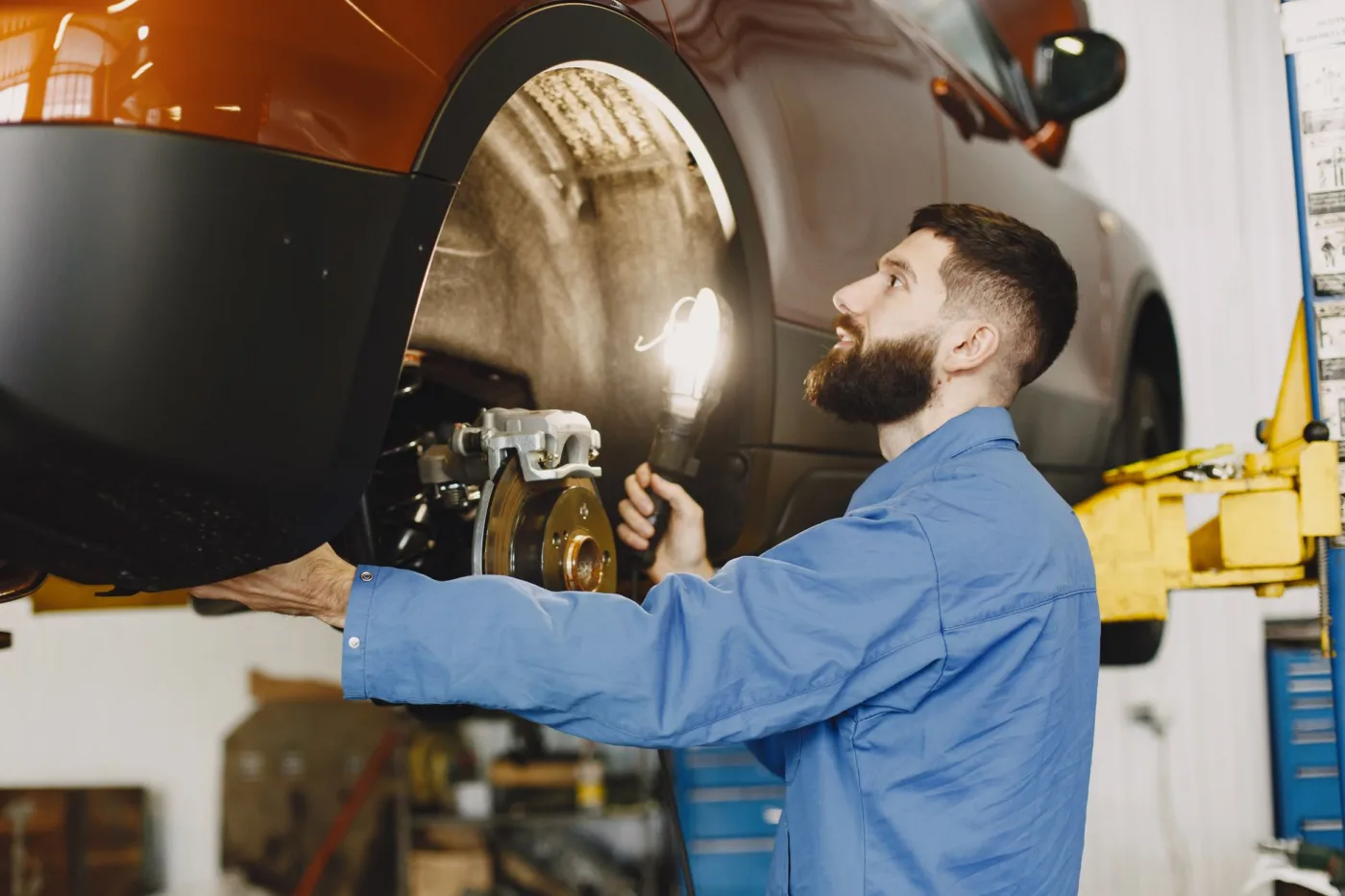
Why Tire Health Matters in Urban Fleet Operations
In the bustling streets of Douala, Yaoundé, and other Cameroonian cities, urban mobility is a lifeline. For fleets operating under the MboaFleet model, every vehicle is not just a means of transport but a source of economic participation for partners. However, the safety and efficiency of these vehicles depend heavily on a component often overlooked: the tires. Tire health is not merely a maintenance checkbox; it is a critical factor that influences safety, operational costs, vehicle availability, and overall performance. This article explores the role of tire health in urban fleet safety and provides actionable insights for drivers, fleet managers, and partners.
The Impact of Tire Condition on Safety
Tires are the only contact point between a vehicle and the road. Their condition directly affects traction, braking, steering, and stability. In an urban environment characterized by heavy traffic, pedestrians, and unpredictable road conditions, tire failures can lead to severe accidents. According to global road safety data, tire-related issues are a leading cause of vehicle crashes, and Cameroon is no exception.
Common Tire-Related Risks in Urban Settings
- Bald Tires: Worn tread reduces grip, especially on wet roads, increasing the risk of skidding and hydroplaning.
- Underinflation: Low pressure causes overheating, rapid wear, and can lead to blowouts at high speeds.
- Overinflation: Excessive pressure reduces the contact patch, making the vehicle more susceptible to punctures and uneven wear.
- Sidewall Damage: Cuts, bulges, or cracks can cause sudden tire failure.
- Punctures and Cuts: Urban debris, potholes, and sharp objects are common hazards that can compromise tire integrity.
Each of these issues can compromise the safety of the driver, passengers, and other road users. For fleet operators, a single tire-related accident can lead to downtime, repair costs, and reputational damage—all of which affect operational performance and, consequently, the variable activity-based revenue for partners.
Tire Health and Operational Performance
Beyond safety, tire health has a direct impact on the operational efficiency of a fleet. Well-maintained tires contribute to better fuel efficiency, as underinflated tires increase rolling resistance. They also reduce the frequency of breakdowns, which means fewer interruptions in service and lower maintenance costs. For a mobility platform like MboaFleet, where vehicles are income-generating assets, keeping them on the road is essential. Regular tire inspections and maintenance reduce the risk of unexpected failures, ensuring that vehicles are available for service when demand is high.
Moreover, tire health is a key indicator of driver discipline. Drivers who consistently maintain proper tire pressure, avoid overloading, and drive defensively are likely to follow other safety protocols. Monitoring tire conditions can thus serve as a proxy for overall driver behavior, which is crucial for fleet safety management.
Practical Tire Maintenance Tips for Urban Fleets
To maximize safety and operational performance, MboaFleet partners and drivers should adopt a proactive approach to tire maintenance. Here are some practical tips:
1. Regular Pressure Checks
Check tire pressure at least once a week, and before long trips. Use a reliable gauge and compare readings with the manufacturer’s recommended pressure. Remember to check the spare tire as well. In the hot Cameroonian climate, pressure can fluctuate, so it is wise to check when tires are cold.
2. Visual Inspections
Drivers should perform a quick visual check of each tire daily. Look for cuts, bulges, cracks, or embedded objects like nails or stones. If any damage is visible, the tire should be inspected by a professional immediately.
3. Tread Depth Monitoring
Tread depth is critical for grip. A simple test is the 'coin test': insert a coin into the tread groove; if the top of the coin is visible, the tread is too shallow. For a more accurate measure, use a tread depth gauge. The legal minimum in many countries is 1.6 mm, but for urban safety, a depth of at least 3 mm is recommended.
4. Rotation and Balancing
Rotate tires every 5,000 to 8,000 kilometers to ensure even wear. Also, have the tires balanced when you notice vibration or after a repair. Proper balancing extends tire life and improves ride comfort.
5. Wheel Alignment
Misalignment can cause uneven tire wear and affect steering. Have the alignment checked periodically, especially after hitting a pothole or curb. In urban areas with poor road conditions, this is particularly important.
6. Load Management
Overloading a vehicle puts excessive stress on tires, leading to overheating and blowouts. Always adhere to the vehicle’s load capacity, and distribute weight evenly.
7. Use Quality Tires
Invest in good-quality tires that are suitable for the local road conditions. While cheaper tires may seem cost-effective, they often wear out faster and offer less safety. Consider the total cost of ownership.
Driver Monitoring and Reporting: The MboaFleet Approach
MboaFleet’s operational model emphasizes transparency and proactive management. Driver monitoring and reporting are integral to maintaining fleet safety, including tire health. Here is how these practices contribute:
Pre-Trip Checklists
Drivers should be trained to conduct a pre-trip inspection, which includes checking tire pressure, tread, and overall condition. A simple checklist can go a long way in preventing issues. MboaFleet encourages its partners to adopt such routines.
Telematics and Sensors
Modern telematics systems can monitor tire pressure in real time, alerting drivers and fleet managers to any anomalies. This allows for immediate action, reducing the risk of a blowout. While not all fleets may have this technology, even manual checks are beneficial.
Reporting and Documentation
When a driver notices a tire issue, it should be reported promptly. MboaFleet’s reporting tools enable partners to document maintenance requests and track their resolution. This creates a transparent record that helps with budgeting and planning.
Training and Awareness
Continuous training on tire safety is essential. Drivers should understand the importance of tire health and how to identify signs of trouble. Regular workshops and refresher courses can reinforce safe practices.
The Broader Context: Urban Mobility in Cameroon
Cameroon’s urban centers face unique mobility challenges, including traffic congestion, inadequate road infrastructure, and a high density of motorcycles and minibuses. In such an environment, tire health is even more critical. A single tire failure on a busy road can cause a multi-vehicle accident, blocking traffic and endangering lives. For fleet operators, this is a serious liability.
Moreover, the climate in Cameroon is diverse, with regions experiencing heavy rainfall or high heat. Both can affect tire performance. Rain reduces traction, making tread depth crucial, while heat increases the risk of tire blowouts if pressure is not managed. Therefore, seasonal tire maintenance is advisable.
Conclusion: A Shared Responsibility
Tire health is a shared responsibility among drivers, fleet managers, and partners. By prioritizing regular maintenance, monitoring, and reporting, MboaFleet partners can contribute to safer roads and more efficient operations. Remember, a well-maintained tire not only protects lives but also ensures that your vehicle remains an income-generating asset for longer. It is a small investment that yields significant returns in terms of safety and reliability.
If you are interested in learning more about how MboaFleet promotes safe and responsible mobility, we invite you to explore our model and see how you can be part of this journey.
Disclaimer
This content is for informational purposes only and does not constitute an investment offer or financial advice.