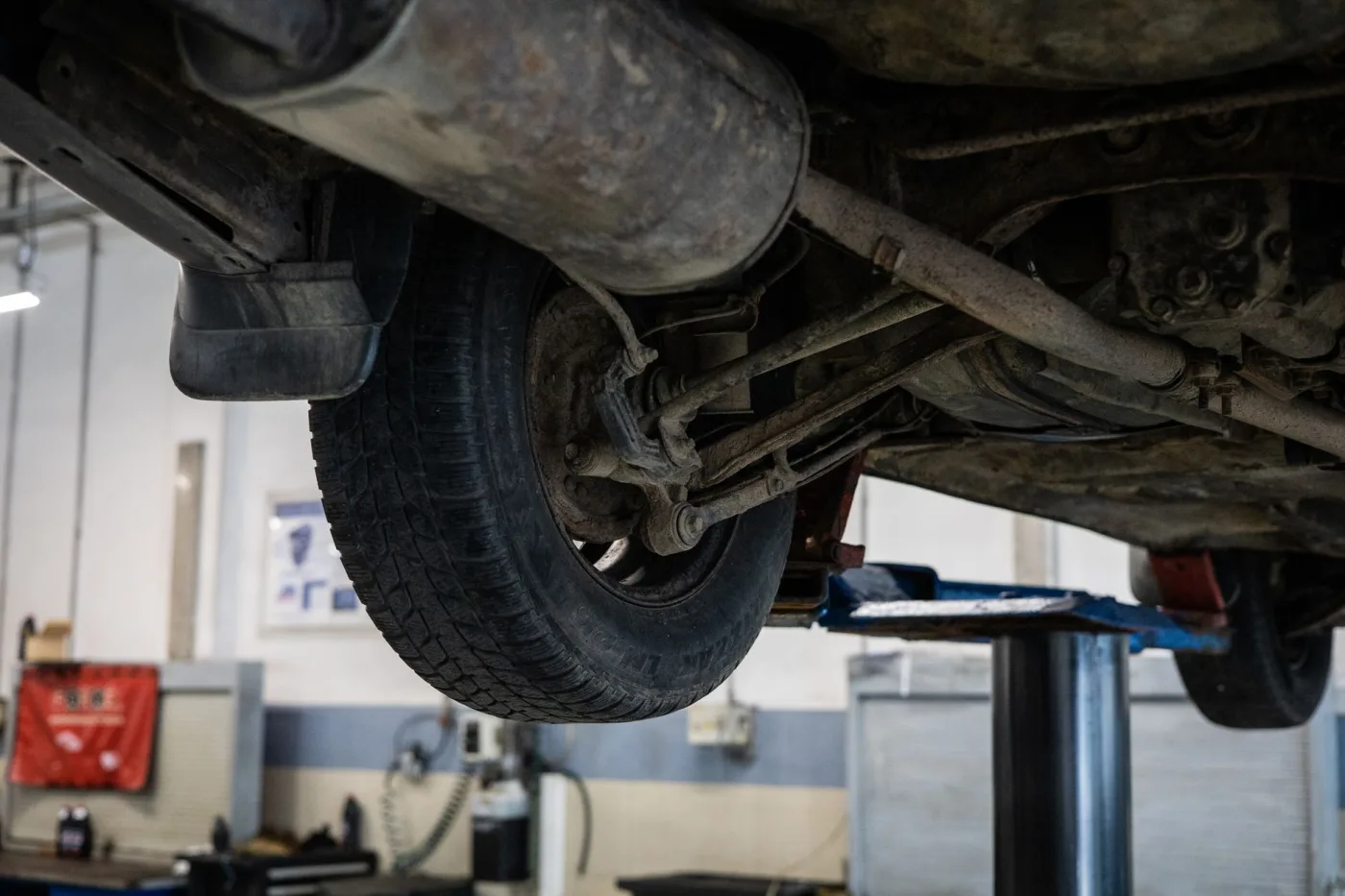
Introduction: Why Tire Maintenance Matters for Fleet Operations in Africa
In the challenging environment of African roads, tire maintenance is not just a routine task—it is a critical operational priority. For fleets operating in Cameroon, where road conditions vary from potholed urban streets to unpaved rural paths, proper tire care directly impacts vehicle availability, driver safety, and overall operational performance. At MboaFleet, we emphasize that real-world activity depends on the condition of each income-generating vehicle. Tires are the only contact point between the vehicle and the road, making their maintenance essential for reliable mobility.
This article provides practical, educational strategies for tire maintenance in African road conditions. Whether you are a fleet manager, a partner in a mobility project, or a driver, these insights will help you extend tire life, reduce costs, and improve safety. Remember, operational performance is influenced by many factors, including vehicle condition, driver discipline, and maintenance practices—not by promises of fixed returns.
Understanding African Road Conditions and Their Impact on Tires
African roads present unique challenges that accelerate tire wear. In Cameroon, urban mobility often involves navigating congested streets with debris, sharp edges, and uneven surfaces. Rural roads may include gravel, mud, and hidden rocks. These conditions increase the risk of punctures, sidewall damage, and irregular tread wear.
Temperature is another factor. High ambient heat raises tire pressure and can cause blowouts if tires are not properly maintained. Frequent braking and acceleration in stop-and-go city traffic also generate heat, further stressing the rubber compound. For fleet operations, understanding these variables is the first step toward effective tire management.
Key Tire Maintenance Strategies for Fleet Operations
1. Regular Pressure Checks
Maintaining correct tire pressure is the simplest and most effective maintenance strategy. Underinflation increases rolling resistance, leading to faster wear and higher fuel consumption. Overinflation reduces traction and makes tires more susceptible to impact damage. In Cameroon’s climate, check tire pressure at least once a week, preferably when tires are cold. Use a reliable gauge and adjust according to the vehicle manufacturer’s recommendations. For fleet operations, incorporating pressure checks into daily driver routines ensures consistency.
2. Visual Inspections Before Each Trip
Drivers should perform a quick visual inspection before starting their shift. Look for cuts, bulges, cracks, or foreign objects embedded in the tread. Check the sidewalls for signs of aging or damage. In urban mobility settings, curbs and potholes can cause hidden damage that worsens over time. Documenting these inspections through a simple checklist—part of MboaFleet’s driver monitoring approach—helps identify recurring issues and supports transparent reporting.
3. Tire Rotation and Alignment
Uneven tire wear is common on African roads due to frequent turns and road camber. Regular tire rotation every 8,000 to 10,000 kilometers promotes even wear and extends tire life. Wheel alignment should be checked whenever a vehicle pulls to one side or after hitting a significant pothole. Proper alignment reduces strain on suspension components and improves fuel efficiency—both important for operational performance.
4. Tread Depth Monitoring
Tread depth directly affects grip, especially on wet or loose surfaces. In Cameroon’s rainy season, adequate tread is essential for preventing hydroplaning and maintaining control. Use a tread depth gauge to measure remaining depth. Most regions legally require a minimum of 1.6 mm, but for safety in African conditions, consider replacing tires at 3 mm. Fleet operators can track tread depth in maintenance logs to plan replacements proactively.
5. Proper Load Management
Overloading is a common cause of tire failure in commercial fleets. Excess weight generates excessive heat and increases the risk of blowouts. Ensure each vehicle operates within its recommended load capacity. For income-generating vehicles, balancing load with passenger or cargo demands is a real operational decision that affects tire life. Educate drivers about the relationship between load and tire stress.
6. Choosing the Right Tires for Local Conditions
Not all tires are suitable for African roads. Select tires designed for durability, with reinforced sidewalls and deeper tread patterns. All-terrain or touring tires may offer better performance on mixed surfaces. Consult with reputable tire suppliers who understand local conditions. While initial cost may be higher, longer tire life and fewer roadside repairs reduce overall operational costs.
Integrating Tire Maintenance into Fleet Operations and Reporting
Effective tire maintenance is not a one-time activity—it requires systematic integration into fleet operations. MboaFleet’s platform enables partners and fleet managers to track maintenance schedules, monitor driver compliance, and review performance data. By logging tire inspections, pressure checks, and replacements, you create a transparent record that supports informed decisions.
Driver monitoring plays a key role. Well-trained drivers who understand the importance of tire care are more likely to report issues early. Incentivizing careful driving—such as avoiding potholes and sudden braking—can reduce tire wear. Regular training sessions on tire safety reinforce best practices and build a culture of proactive maintenance.
Reporting is equally important. Analyze tire-related data to identify patterns: which routes cause more wear, which drivers need additional coaching, or which tire brands perform best. This operational intelligence helps optimize vehicle availability and reduces unplanned downtime. Remember, all performance outcomes depend on real-world factors like vehicle condition, driver behavior, and maintenance discipline.
Practical Tips for Drivers and Fleet Managers in Cameroon
- Keep a tire repair kit in every vehicle, including a jack, spare tire, and basic tools. In urban mobility, quick repairs minimize delays.
- Use nitrogen inflation if available. Nitrogen maintains pressure more consistently than air, reducing fluctuations from temperature changes.
- Avoid harsh braking and acceleration to reduce tread wear. Smooth driving extends tire life and improves fuel economy.
- Plan routes carefully to avoid roads with severe potholes or debris. Route optimization is part of efficient fleet operations.
- Replace tires in pairs to maintain balanced handling. Mixing old and new tires can affect vehicle stability.
- Dispose of old tires responsibly to support environmental sustainability. Some local recyclers accept used tires for repurposing.
Conclusion: Tire Maintenance as a Pillar of Reliable Fleet Operations
In the context of African road conditions, tire maintenance is a fundamental aspect of successful fleet operations. It enhances safety, reduces costs, and improves the availability of income-generating vehicles. By adopting regular pressure checks, visual inspections, rotation, alignment, and proper load management, fleet partners can maximize the lifespan of their tires and minimize disruptions.
At MboaFleet, we believe that transparent reporting and driver monitoring are essential tools for managing maintenance effectively. Our platform supports partners in tracking operational factors that influence performance—including tire care—so you can make informed decisions based on real-world activity.
If you want to learn more about how MboaFleet organizes economic participation around mobility projects in Cameroon, we invite you to explore our model. Remember, success in fleet operations depends on diligent maintenance, driver discipline, and market conditions—not on guaranteed outcomes.
Disclaimer: This content is for informational purposes only and does not constitute an investment offer or financial advice. The performance of any mobility project depends on real operational factors such as vehicle condition, driver discipline, maintenance, demand, costs, availability, and reporting.