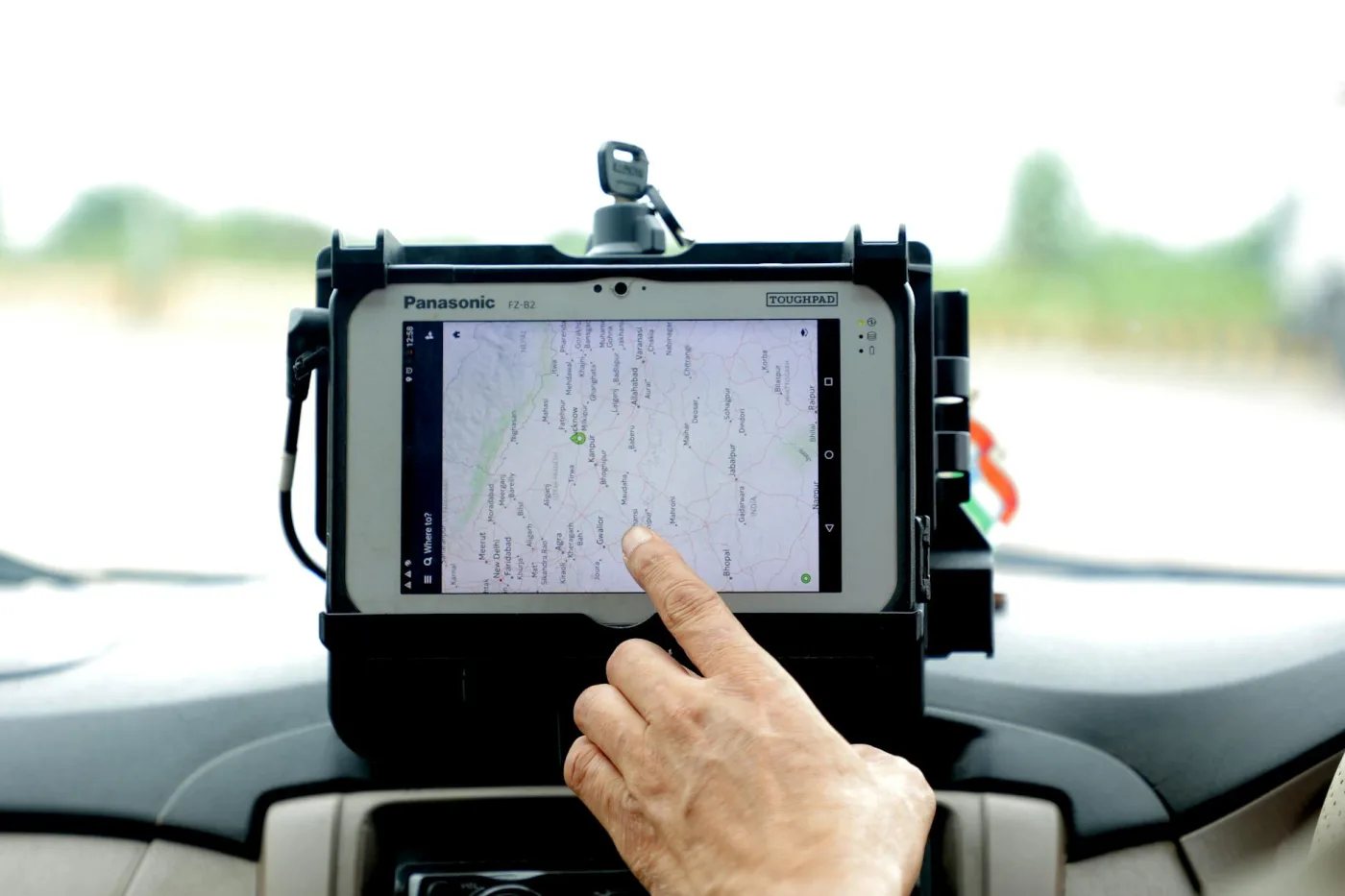
Introduction: The Role of Telematics in Modern Fleet Operations
In Cameroon's rapidly growing urban centers like Douala and Yaoundé, mobility is a daily challenge. Traffic congestion, road conditions, and driver discipline all affect the efficiency and safety of fleet operations. For platforms like MboaFleet, which organize partner participation around income-generating vehicles, ensuring safe and efficient driving is critical to operational performance. Telematics—the use of GPS, onboard sensors, and data analytics—offers a powerful tool to monitor and improve driver behavior, reduce risks, and enhance overall fleet safety.
What Is Telematics and How Does It Work?
Telematics combines telecommunications and informatics to collect, transmit, and analyze data from vehicles. In a fleet context, it typically involves:
- GPS tracking to monitor vehicle location, speed, and routes.
- Onboard diagnostics to capture engine performance, fuel consumption, and maintenance needs.
- Driver behavior sensors that detect harsh braking, rapid acceleration, cornering, and idling.
- Real-time reporting via a central dashboard accessible to fleet managers.
For MboaFleet, this technology is integrated into our operational model to provide transparency and actionable insights for partners and drivers alike.
Why Driver Behavior Matters for Fleet Safety and Performance
Driver behavior is a primary factor in road accidents, vehicle wear and tear, and fuel efficiency. In Cameroon, where road infrastructure varies and traffic rules are not always strictly enforced, a disciplined driver can significantly reduce operational risks. Key behaviors that telematics can track include:
- Speeding: Exceeding safe speed limits increases accident risk and fuel consumption.
- Harsh braking and acceleration: These actions strain the vehicle's mechanical components and reduce fuel economy.
- Idling: Excessive idling wastes fuel and increases emissions.
- Route deviations: Unplanned detours can lead to delays and higher operational costs.
By monitoring these metrics, fleet operators can identify patterns and provide targeted coaching to drivers.
Practical Benefits of Telematics for MboaFleet Partners
1. Enhanced Safety and Risk Reduction
Telematics provides immediate alerts for risky behaviors, allowing fleet managers to intervene before an incident occurs. For example, if a driver consistently speeds or brakes harshly, the system can trigger a notification. Over time, this reduces the likelihood of accidents, protecting both the driver and the vehicle—a key asset in any mobility project.
2. Lower Maintenance Costs
Aggressive driving accelerates wear on brakes, tires, and engines. By promoting smoother driving habits, telematics helps extend vehicle life and reduces unplanned maintenance. MboaFleet’s maintenance reporting integrates telematics data to schedule preventive repairs, ensuring vehicles remain in optimal condition.
3. Improved Fuel Efficiency
Fuel is one of the largest variable costs in fleet operations. Telematics data shows that smooth acceleration, steady speeds, and reduced idling can cut fuel consumption by up to 15%. This translates directly into better operational performance for partners.
4. Transparent Performance Reporting
MboaFleet’s platform provides partners with clear, data-driven reports on driver behavior and vehicle usage. This transparency builds trust and allows partners to understand how real-world factors—such as driver discipline and route choices—affect variable activity-based revenue.
Implementing Telematics in Cameroon: Practical Steps
For fleet operators in Cameroon, adopting telematics requires careful planning. Here are actionable steps:
- Choose the right hardware: Select GPS trackers and sensors that are durable and compatible with local network conditions.
- Train drivers: Explain that telematics is a tool for improvement, not surveillance. Emphasize safety and efficiency benefits.
- Set clear benchmarks: Define acceptable thresholds for speed, braking, and idling based on local traffic norms.
- Use data for coaching: Regularly review reports with drivers and recognize positive behavior changes.
- Integrate with maintenance schedules: Link telematics data to preventive maintenance alerts to reduce downtime.
Case Study: Telematics in Urban Mobility in Douala
Consider a hypothetical fleet of 10 vehicles operating in Douala. Without telematics, the operator relies on driver reports and manual inspections. Fuel costs are high, and minor accidents occur frequently. After installing telematics, the operator identifies that three drivers consistently exceed speed limits and brake harshly. Through coaching and performance incentives, those drivers improve their scores within two months. Fuel costs drop by 12%, and maintenance incidents decrease by 20%. The fleet’s overall operational performance improves, benefiting all partners involved.
Challenges and Considerations
While telematics offers clear advantages, implementation in Cameroon faces challenges such as:
- Network connectivity: Reliable internet access is not always available in all areas. Offline data storage and periodic syncing can help.
- Initial costs: Hardware and software require upfront investment. However, long-term savings often offset these costs.
- Driver acceptance: Some drivers may resist monitoring. Clear communication about safety and operational benefits is essential.
How MboaFleet Leverages Telematics for Transparency
At MboaFleet, telematics is a core component of our operational model. We provide partners with access to a dashboard that shows real-time data on vehicle location, driver behavior, and maintenance needs. This transparency allows partners to see how their contributions support real-world mobility activity. Performance depends on operational factors such as vehicle condition, driver discipline, maintenance schedules, demand, and costs—all of which are tracked and reported.
Conclusion: Driving Safer, Smarter Fleet Operations
Telematics is not a magic solution, but a practical tool that empowers fleet operators to make data-driven decisions. By improving driver behavior and safety, it reduces risks, lowers costs, and enhances the overall performance of mobility projects. For MboaFleet partners, understanding how telematics works is a step toward more informed participation in income-generating vehicle operations.
We invite you to explore our model further and see how we combine technology, transparency, and operational excellence to create sustainable mobility solutions in Cameroon.
Disclaimer: This content is for informational purposes only and does not constitute an investment offer or financial advice. Performance depends on real operational factors and is not guaranteed.