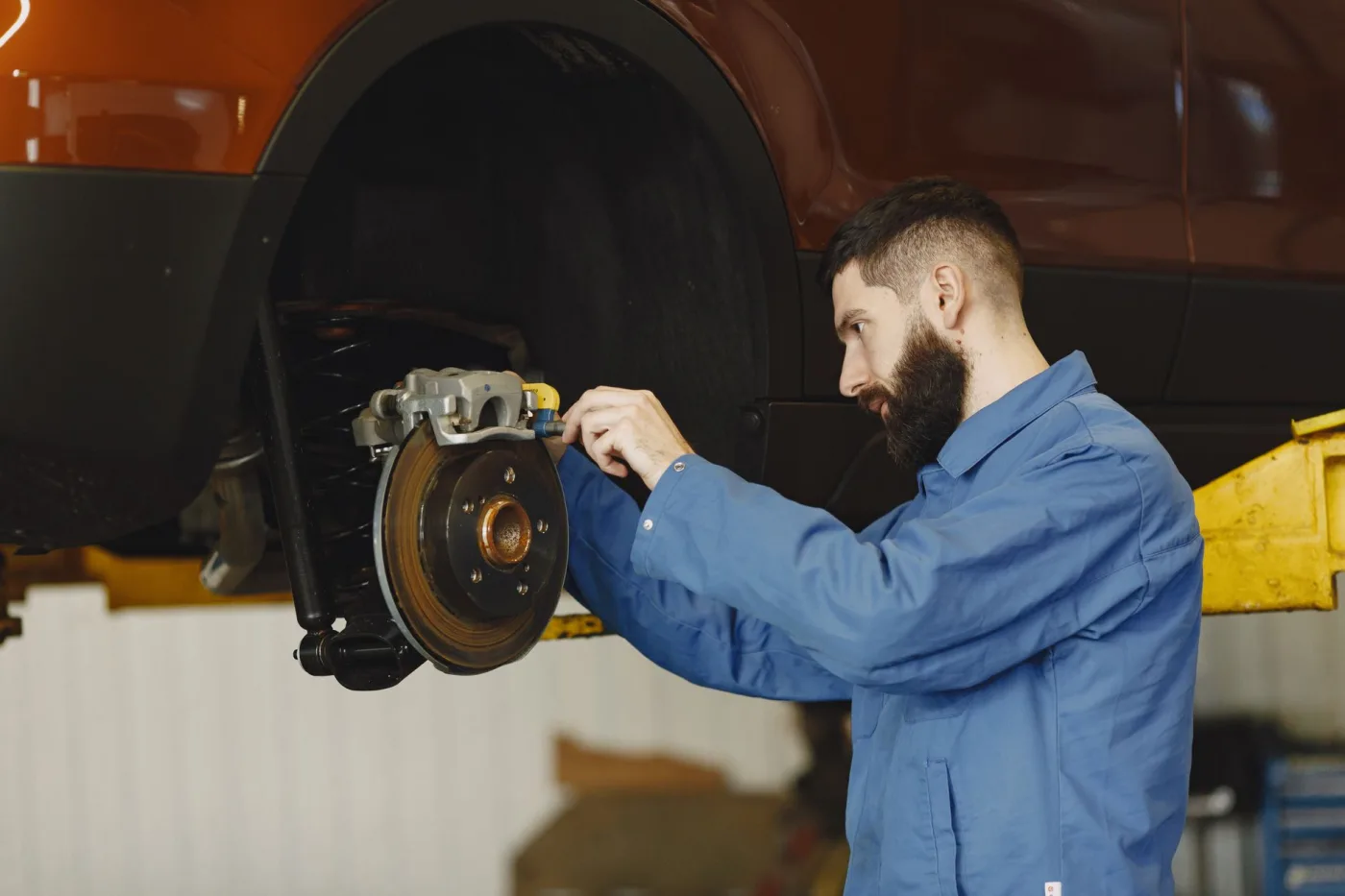
When to Replace Brake Pads on Your Urban Minibuses
In the bustling cities of Cameroon, urban minibuses are the backbone of daily mobility. They transport thousands of passengers through dense traffic, stop-and-go routes, and challenging road conditions. For fleet operators, ensuring these vehicles remain safe and reliable is not just a maintenance task—it is a core operational responsibility. Among all maintenance items, brake pads are one of the most critical. Worn brake pads can lead to accidents, costly repairs, and downtime, directly affecting the economic participation of vehicle partners.
This article provides practical guidance on when to replace brake pads on your urban minibuses. It is designed for fleet managers, drivers, and partners who want to maintain high operational standards and protect their mobility project.
Why Brake Pads Matter in Urban Mobility
Urban minibuses in Cameroon operate in conditions that accelerate brake wear: frequent stops, heavy loads, and unpredictable traffic. Brake pads create the friction needed to slow down or stop the vehicle. Over time, the friction material wears down. If not replaced in time, metal-to-metal contact can damage rotors, reduce braking efficiency, and increase stopping distances—a serious safety risk in crowded cities like Douala or Yaoundé.
From an operational perspective, neglecting brake pads leads to higher maintenance costs, unplanned vehicle downtime, and reduced income-generating capacity. For MboaFleet partners, maintaining vehicle condition is essential for consistent operational performance and variable activity-based revenue.
Signs That Brake Pads Need Replacement
Knowing when to replace brake pads requires regular inspection and attention to warning signs. Here are the key indicators:
- Squealing or screeching noises: Most brake pads have a built-in wear indicator that produces a high-pitched sound when the pad is nearing the end of its life. If you hear this, schedule a replacement immediately.
- Visual inspection: Check the thickness of the brake pad through the wheel spokes. If the friction material is less than 3 millimeters thick, it is time to replace. New pads typically have 10–12 millimeters.
- Longer stopping distances: If drivers report that the vehicle takes longer to stop, or the brake pedal feels less responsive, worn pads may be the cause.
- Vibration when braking: A pulsating or vibrating brake pedal can indicate uneven pad wear or warped rotors, often requiring pad replacement.
- Dashboard warning light: Many modern minibuses have a brake wear indicator light. When it illuminates, do not ignore it.
- Visible dust or metal particles: Excessive brake dust or metal shavings around the wheel can signal that the pads are wearing down.
In addition to these signs, fleet operators should follow the manufacturer’s recommended replacement intervals. For urban minibuses, this is often every 25,000 to 40,000 kilometers, but actual replacement depends on driving conditions, load, and driver behavior.
How Driver Monitoring Improves Brake Pad Longevity
Driver discipline is a major factor in brake pad wear. Aggressive driving, hard braking, and overloading accelerate wear. At MboaFleet, driver monitoring is an integral part of fleet operations. By tracking driving behavior—such as sudden stops, speeding, and idling—fleet managers can identify drivers who need additional training. This not only extends brake pad life but also reduces fuel consumption and improves overall safety.
Regular reporting on driver performance helps partners understand how operational factors affect vehicle condition. When drivers are coached to brake gradually and maintain safe distances, brake pads last longer, maintenance costs decrease, and vehicle availability improves.
Best Practices for Brake Pad Maintenance
To ensure your urban minibuses remain safe and operational, follow these practical maintenance tips:
- Schedule routine inspections: Check brake pads at least every 10,000 kilometers or during regular service intervals. In Cameroon’s stop-and-go traffic, more frequent checks may be necessary.
- Use quality replacement parts: Choose brake pads that meet or exceed manufacturer specifications. Cheap, low-quality pads may wear faster and compromise safety.
- Replace pads in pairs: Always replace brake pads on both sides of an axle at the same time to ensure even braking.
- Check rotors and calipers: When replacing pads, inspect rotors for wear or warping and calipers for proper function. Addressing these components prevents premature pad wear.
- Keep records: Maintain a maintenance log for each vehicle. This supports transparency and helps predict future replacement needs.
- Train drivers: Educate drivers on smooth braking techniques and the importance of reporting any unusual brake behavior immediately.
The Role of Fleet Operations and Reporting
In a well-managed fleet, brake pad replacement is not a reactive task—it is part of a proactive maintenance strategy. MboaFleet emphasizes fleet operations that include scheduled maintenance, driver monitoring, and detailed reporting. This approach helps partners make informed decisions about their vehicles and ensures that income-generating vehicles remain on the road safely.
Reporting is particularly important. When fleet managers track maintenance history, driver behavior, and vehicle performance, they can identify patterns and optimize replacement schedules. This transparency builds trust among partners and supports the long-term sustainability of the mobility project.
Economic Considerations for Partners
Brake pad replacement is a routine cost, but neglecting it can lead to major expenses: damaged rotors, accidents, and lost revenue from vehicle downtime. For partners in MboaFleet, understanding these operational factors is essential. The economic participation in a mobility project depends on real-world performance, which is influenced by vehicle condition, maintenance, demand, and costs. By staying on top of brake pad maintenance, partners contribute to the reliability and productivity of the fleet.
It is important to note that operational performance is variable and depends on many factors. There are no guarantees—only prudent management and transparent reporting can help optimize outcomes.
Conclusion: Stay Proactive with MboaFleet
Replacing brake pads on time is a simple yet vital part of urban minibus maintenance. It protects passengers, drivers, and your operational performance. By monitoring driver behavior, scheduling regular inspections, and using quality parts, you can extend brake pad life and reduce downtime.
At MboaFleet, we are committed to supporting fleet operators and partners with the tools and knowledge they need to succeed. To learn more about how our platform organizes partner participation around income-generating vehicles, driver monitoring, and transparent reporting, we invite you to explore the MboaFleet model and see how it aligns with your mobility goals.
Disclaimer: This content is for informational purposes only and does not constitute an investment offer or financial advice.