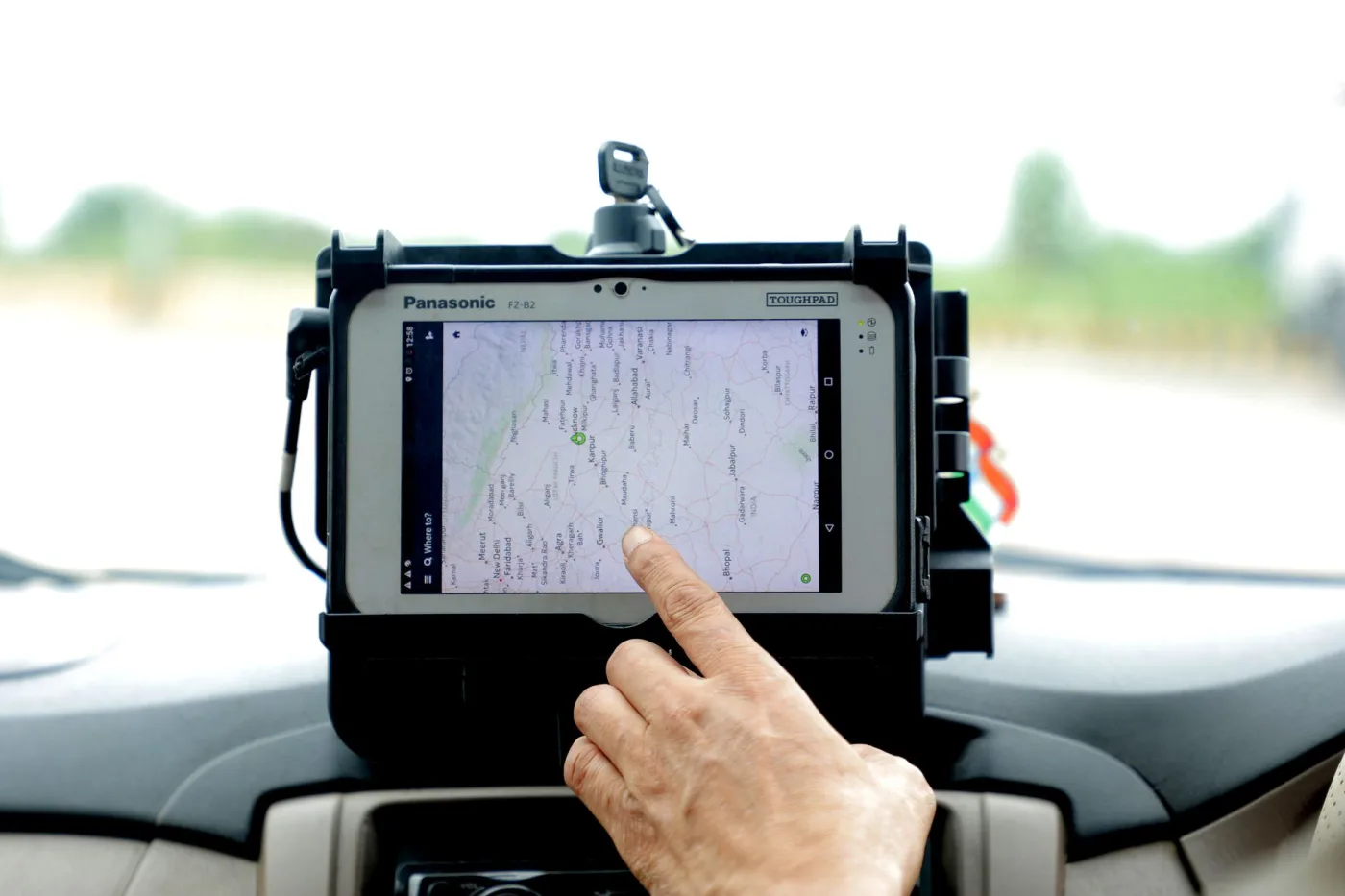
Urban Transport in Cameroon: The Need for Real-Time Coordination
In fast-growing Cameroonian cities like Douala and Yaoundé, urban mobility is a daily challenge. Traffic congestion, unpredictable road conditions, and diverse passenger needs put pressure on transport operators. For fleet-based services, reliability is not just a nice-to-have—it is a core operational requirement. When vehicles run on time, passengers trust the service, and drivers can work more efficiently. However, achieving this reliability requires more than just a well-maintained fleet; it demands real-time coordination between drivers, dispatchers, and fleet managers.
Real-time driver coordination refers to the use of live communication tools, GPS tracking, and shared data to manage vehicle movements, driver status, and passenger requests. Instead of relying on guesswork or static schedules, fleet operators can make informed decisions based on what is happening on the ground right now. This approach is especially valuable in an environment where traffic patterns change quickly and unexpected events—such as road closures or breakdowns—are common.
Why Reliability Matters for Fleet Operations
Reliability is the foundation of any successful transport service. For passengers, a reliable service means they can plan their journeys with confidence. For drivers, it means a steady flow of work and predictable earnings. For fleet owners, it means lower operational costs and a stronger reputation. When reliability drops, the consequences ripple through the entire system: passengers wait longer, drivers lose income, and maintenance costs rise due to rushed driving or missed check-ups.
In the context of a mobility platform like MboaFleet, reliability is also a key driver of partner satisfaction. Partners contribute to income-generating vehicles and expect the fleet to be operated professionally. Real-time coordination helps ensure that vehicles are used efficiently, drivers follow schedules, and problems are addressed before they escalate. This, in turn, supports the overall performance of the mobility project—not through promises of fixed returns, but through consistent, well-managed operations.
The Role of Real-Time Driver Coordination
Real-time coordination goes beyond simply tracking a vehicle's location. It involves a complete communication loop:
- Live location tracking: Knowing where each vehicle is at any moment allows dispatchers to assign trips more effectively and inform passengers of expected wait times.
- Driver status updates: Drivers can report when they are available, on a break, or facing an issue. This helps the central team allocate resources quickly.
- Traffic and route alerts: Real-time traffic data allows drivers to avoid congested routes, saving time and fuel.
- Passenger communication: If a vehicle is delayed, passengers can be notified immediately, reducing frustration and cancellations.
- Incident reporting: When a breakdown or accident occurs, the central team can send help or reroute other vehicles, minimizing downtime.
By integrating these elements, fleet operators can turn raw data into actionable insights. For example, if a driver consistently takes a longer route, the system can flag this and suggest alternatives. If a vehicle is idle for too long, the system can prompt a check on driver availability or maintenance needs.
Practical Benefits for Urban Transport in Cameroon
In Cameroonian cities, real-time coordination offers several practical benefits:
- Reduced waiting times: When drivers are coordinated, passengers spend less time at stops. This improves the overall user experience and encourages repeat usage.
- Better fuel efficiency: Avoiding traffic jams and unnecessary detours reduces fuel consumption, which is a major cost for any fleet.
- Lower maintenance costs: Real-time monitoring can alert managers to potential mechanical issues early, preventing costly breakdowns and extending vehicle life.
- Improved driver accountability: When drivers know that their actions are visible, they tend to follow schedules and drive more responsibly.
- Enhanced safety: Real-time communication allows for quick response in emergencies, protecting both drivers and passengers.
These benefits are not theoretical—they have been observed in mobility projects across Africa. However, it is important to note that results depend on real operational factors. A well-coordinated fleet still faces challenges such as road quality, weather, and demand fluctuations. Real-time coordination does not eliminate these challenges; it helps manage them more effectively.
Implementing Real-Time Coordination: Practical Advice
For fleet operators in Cameroon looking to improve reliability, here are some actionable steps:
1. Invest in Simple Technology
You don't need an expensive, complex system to start. Basic GPS trackers and a messaging app (like WhatsApp or Telegram) can already improve coordination. As your fleet grows, consider a dedicated fleet management platform that integrates tracking, reporting, and communication.
2. Establish Clear Communication Protocols
Define how drivers should report their status, what information they need to share, and how dispatchers should respond. Consistency is key—if everyone follows the same rules, coordination becomes smoother.
3. Train Drivers and Dispatchers
Technology is only as good as the people using it. Provide regular training on how to use the tools, interpret data, and handle unexpected situations. Emphasize that coordination is a team effort.
4. Use Data to Drive Decisions
Collect data on trip times, delays, fuel usage, and driver performance. Review this data regularly to identify patterns and areas for improvement. For example, if a particular route always has delays, you might adjust the schedule or find an alternative route.
5. Integrate Maintenance and Reporting
Real-time coordination should be linked to your maintenance schedule. If a driver reports a strange noise, the system can schedule a check-up before it becomes a major problem. Similarly, daily or weekly reports can help you track vehicle condition, driver behavior, and operational costs.
How MboaFleet Supports Reliable Operations
MboaFleet is designed to help partners and operators in Cameroon run income-generating vehicles more effectively. The platform focuses on operational excellence—not on speculative gains. By providing tools for driver monitoring, maintenance tracking, and transparent reporting, MboaFleet enables real-time coordination that directly impacts reliability.
For partners, this means that their contributions are used to support a fleet that is managed with care. The platform emphasizes that any revenue is variable and depends on real-world activity: how well the vehicles are driven, how often they are on the road, and how efficiently they are maintained. There are no guaranteed returns—only the potential for better operational performance.
MboaFleet's approach is educational and transparent. We believe that when partners understand the operational side of mobility, they can make informed decisions about their participation. That is why we share regular reports on fleet activity, maintenance, and performance, so everyone has a clear picture of what is happening.
Conclusion: Building a More Reliable Future
Real-time driver coordination is not a luxury—it is a necessity for urban transport reliability in Cameroon. By embracing live data, clear communication, and proactive management, fleet operators can reduce delays, lower costs, and provide a service that passengers can depend on. The path to reliability is not always easy, but with the right tools and a commitment to operational excellence, it is achievable.
If you are interested in learning more about how MboaFleet helps partners participate in income-generating vehicles with a focus on real-world operations, we invite you to explore our platform. We are here to support a more reliable and transparent mobility ecosystem in Cameroon.
Disclaimer: This content is for informational purposes only and does not constitute an investment offer or financial advice.