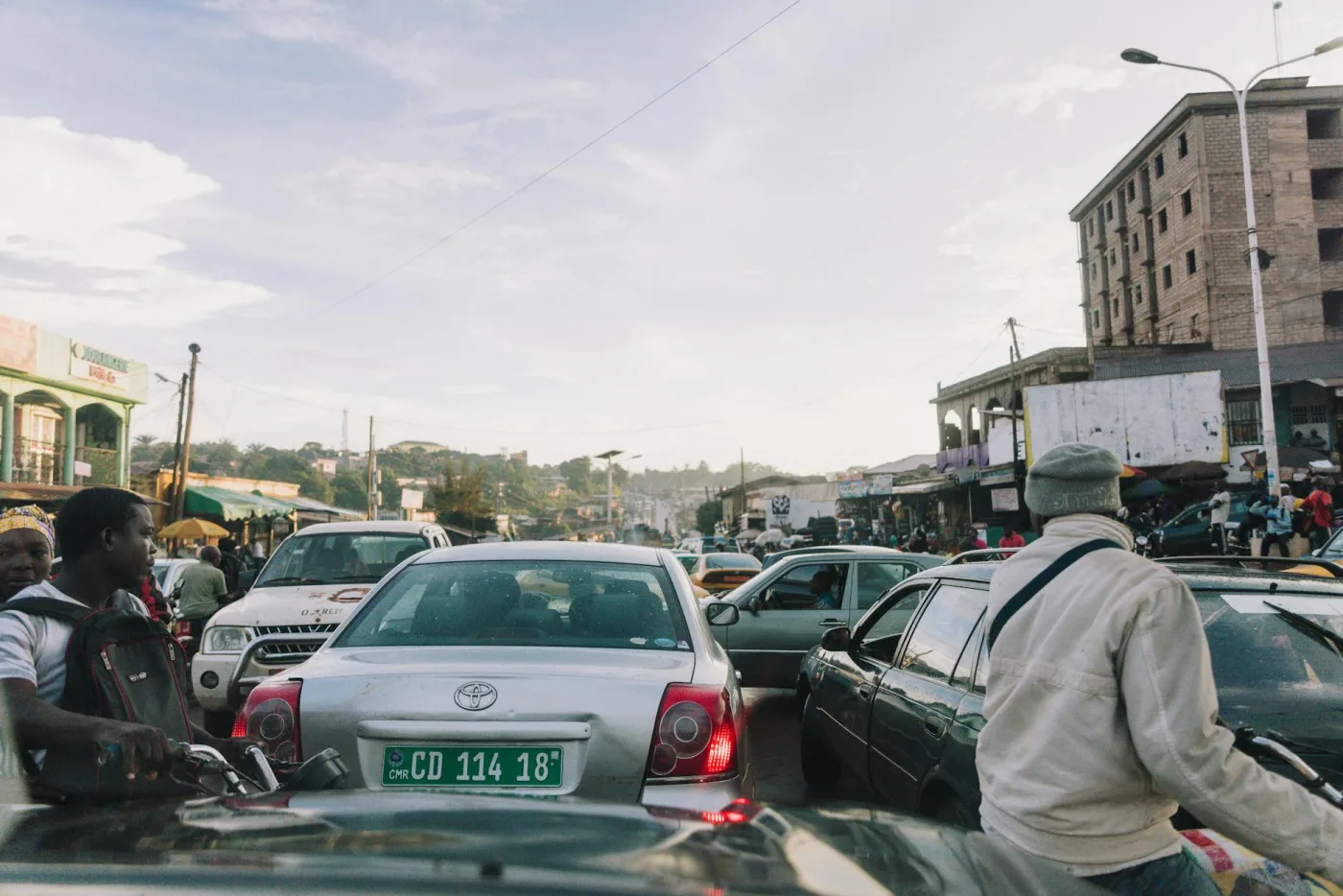
Urban Mobility as a Catalyst for Economic Participation in Africa
Across Africa’s rapidly growing cities, urban mobility is transforming how people move, work, and generate income. In countries like Cameroon, the demand for reliable transport is reshaping traditional economic structures, creating new forms of participation that go beyond conventional employment or passive income models. Instead of relying on speculative financial mechanisms, these models are grounded in real-world activity: the operation of income-generating vehicles, disciplined fleet management, and transparent performance reporting.
This shift is particularly relevant in Douala and Yaoundé, where congestion and limited public transit options make mobility a daily challenge. The opportunity for economic participation lies not in promising fixed returns, but in organizing access to vehicles that generate revenue through actual transport activity. This article explores how urban mobility is enabling these new models, with a focus on operational factors like vehicle condition, driver discipline, maintenance, and reporting.
What Are Economic Participation Models in Mobility?
Economic participation models in mobility refer to structured ways individuals or groups can contribute to and benefit from the operation of vehicles used for transport services. Unlike traditional investment schemes that promise guaranteed returns, these models are based on shared operational outcomes. Participants contribute to a mobility project—such as a fleet of taxis or ride-hailing vehicles—and receive variable activity-based revenue tied to real performance.
Key characteristics include:
- Real-world activity: Revenue depends on actual trips, fares, and utilization rates.
- Operational transparency: Regular reporting on vehicle performance, maintenance, and driver behavior.
- Shared risk: Outcomes fluctuate with demand, fuel costs, and vehicle availability.
In Cameroon, these models are gaining traction because they align with local economic realities. Many individuals seek ways to participate in the growing transport sector without managing a vehicle themselves. By contributing to a fleet operation, they can access income streams tied to daily mobility needs, while professional teams handle driver monitoring, maintenance, and logistics.
The Role of Fleet Operations in Urban Mobility
Effective fleet operations are the backbone of any mobility-based economic participation model. In Cameroon, where road conditions vary and vehicle wear is high, professional management ensures that vehicles remain operational and safe. MboaFleet, for example, organizes fleets by coordinating vehicle acquisition, maintenance schedules, and driver assignments. This operational focus reduces downtime and maximizes the potential for consistent activity.
Key operational elements include:
- Driver monitoring: Tracking driver behavior, hours, and route efficiency to optimize performance.
- Maintenance: Regular checks and repairs to prevent breakdowns that halt income generation.
- Reporting: Detailed reports on vehicle usage, costs, and revenue, enabling informed decisions.
These elements are crucial because they directly affect the income-generating potential of each vehicle. A well-maintained car with a disciplined driver will typically perform better than one neglected. By emphasizing operational excellence, models like MboaFleet’s create a foundation for sustainable participation.
How Urban Mobility Drives Economic Inclusion
Urban mobility in Africa is uniquely positioned to foster economic inclusion because it connects people to opportunities—jobs, markets, education, and healthcare. When individuals participate in a mobility project, they become part of a system that serves these essential needs. This is not about passive income but about active contribution to a service that society depends on.
In Cameroon, for instance, a partner in a fleet project contributes to the availability of transport in underserved neighborhoods. The revenue they receive reflects the actual demand for rides, the efficiency of the driver, and the condition of the vehicle. This model democratizes access to the transport economy, allowing people without driving skills or vehicle ownership to still benefit from the sector’s growth.
Practical advice for those considering participation:
- Understand that performance depends on real factors like fuel prices, traffic patterns, and seasonal demand.
- Look for operators that provide transparent reporting on maintenance and driver metrics.
- Recognize that vehicle condition and driver discipline are critical to activity levels.
Transparency and Reporting: Building Trust in Operational Models
Trust is essential in any economic participation model. Without clear information, participants cannot assess how their vehicle is performing. That’s why reporting is a cornerstone of modern fleet operations. MboaFleet emphasizes regular updates on key metrics such as:
- Trips completed and total distance driven.
- Fuel consumption and maintenance costs.
- Driver performance indicators like punctuality and customer feedback.
- Vehicle availability and downtime due to repairs.
This transparency allows participants to see exactly how operational choices affect outcomes. For example, a period of high maintenance might reduce short-term revenue but extend the vehicle’s lifespan. By understanding these trade-offs, partners can make informed decisions about their involvement.
Practical Considerations for Sustainable Participation
To make the most of urban mobility economic participation models, consider these practical steps:
- Research the operator: Look for experience in fleet management, maintenance, and driver training.
- Review performance history: Ask for examples of how vehicles have performed under similar conditions.
- Understand variable factors: Recognize that revenue can fluctuate with fuel price changes, weather, or local events.
- Prioritize maintenance: A well-maintained vehicle is more likely to generate consistent activity.
In Cameroon, urban mobility is not just about getting from point A to B—it’s a pathway to economic participation that aligns with real needs. By focusing on operational excellence and transparency, models like those offered by MboaFleet provide a way for individuals to engage with the transport sector without unrealistic promises.
Conclusion: Understanding the MboaFleet Model
Urban mobility in Africa is creating new economic participation models that are grounded in real-world activity. In Cameroon, MboaFleet is at the forefront of this shift, organizing fleets with professional operations, driver monitoring, maintenance, and transparent reporting. This model emphasizes that performance depends on operational factors—not guaranteed outcomes.
We invite you to learn more about how MboaFleet facilitates participation in urban mobility. Visit our website to explore how fleet operations can create opportunities for economic engagement in Cameroon’s dynamic cities.
Disclaimer: This content is for informational purposes only and does not constitute an investment offer or financial advice. All economic participation models involve variable outcomes based on real operational factors.